
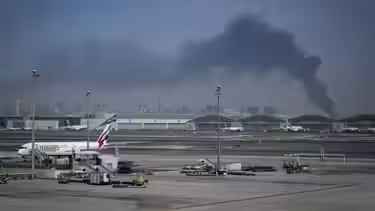

The Gulf airspace crisis has disrupted international travel, forcing hundreds of flights to cancel or reroute across major global routes. Indian authorities and airlines are now operating special evacuation flights to assist stranded passengers as air traffic restrictions continue to affect the region.
Gulf Airspace Crisis Disrupts International Flight Operations
The Gulf airspace crisis has caused widespread disruption to commercial aviation across the Middle East and nearby international routes. Several countries in the region have introduced temporary airspace restrictions due to escalating security concerns.
As a result, airlines operating flights between Asia, Europe, and the Middle East have been forced to cancel or reroute flights that normally pass through affected air corridors.
Major international airlines rely heavily on Gulf airspace because it connects key long distance routes linking India, Europe, Africa, and North America. When access to these routes becomes restricted, airlines must quickly adjust flight plans or suspend services.
Passengers traveling from Indian cities to destinations such as Dubai, Doha, Abu Dhabi, and other regional hubs have experienced delays, cancellations, and extended transit times.
The situation has also disrupted connecting flights, leaving many travelers stranded at international airports.
Hundreds of Flights Cancelled Across Major International Routes
The aviation disruption has resulted in hundreds of flight cancellations across several major airlines. Carriers operating routes between South Asia, Europe, and the Middle East have been among the most affected.
When airspace restrictions occur, airlines must prioritize passenger safety and comply with international aviation advisories. If rerouting flights significantly increases travel time or fuel requirements, airlines often choose to cancel the flight entirely.
Flights that normally travel through Gulf corridors must sometimes take longer alternative routes over other regions. These detours can add several hours to travel time and require operational adjustments.
Airlines must also consider aircraft range limitations, crew duty time regulations, and airport slot availability when making these decisions.
These factors explain why large scale cancellations can occur quickly when airspace conditions change.
Indian Passengers Among Those Affected by the Crisis
Thousands of Indian travelers frequently pass through Gulf airports each day because the region acts as a major global aviation hub. Cities such as Dubai and Doha serve as transit points for passengers traveling between India and destinations across Europe, Africa, and North America.
The Gulf airspace crisis has affected Indian workers, students, tourists, and business travelers who were scheduled to fly through these routes.
Many passengers have reported last minute cancellations or delays while waiting at airports. Some travelers have also faced difficulties securing alternate bookings because available seats on remaining flights filled quickly.
Indian authorities and airlines have been closely monitoring the situation and coordinating with international aviation regulators to support affected travelers.
The focus has been on ensuring stranded passengers receive assistance and safe transport options.
Special Evacuation Flights Arranged for Stranded Indians
In response to the disruption, special evacuation flights for Indians have been arranged to help bring stranded passengers back home. These flights are being operated by Indian airlines and coordinated through government agencies.
Evacuation services are typically prioritized for passengers who have been stranded for extended periods or who require urgent travel support.
Airlines operating these flights work closely with airport authorities and aviation regulators to obtain special clearances and safe routes.
Passengers eligible for evacuation flights are usually contacted through airline booking systems or embassy assistance channels. Additional flights may also be scheduled depending on the scale of disruption and passenger demand.
Such evacuation operations have been used in past international crises when large numbers of Indian citizens were affected by travel disruptions abroad.
Airlines and Airports Adjust Operations During Airspace Restrictions
Airlines and airport authorities must quickly adapt their operations when airspace restrictions occur. Flight schedules are revised continuously based on the latest aviation advisories and security assessments.
Airlines often reroute aircraft through alternative corridors that remain open. However, these routes may increase travel time and operational costs.
Airport authorities also play a key role by managing passenger flow, providing updated flight information, and assisting travelers whose flights have been cancelled.
Passengers are usually advised to check flight status frequently before heading to the airport. Airlines update their websites, mobile apps, and customer service channels with the latest information.
These adjustments help reduce confusion and ensure travelers receive accurate updates during a crisis.
What Travelers Should Do During Major Airspace Disruptions
When international airspace disruptions occur, travelers should monitor flight status regularly through airline websites or mobile apps. This helps passengers avoid unnecessary trips to the airport if flights are cancelled.
Contacting airline customer service is also important for rebooking options or refund requests.
Travelers should keep important travel documents accessible in case airlines offer alternative flights or revised itineraries.
Passengers with connecting flights should pay special attention to schedule updates because disruptions in one region can affect multiple legs of a journey.
Following travel advisories issued by airlines and aviation authorities also helps travelers make informed decisions.
Staying informed and flexible is often the best strategy when unexpected aviation disruptions affect global travel.
Takeaways
The Gulf airspace crisis has disrupted international aviation routes across the region.
Hundreds of flights have been cancelled or rerouted due to security related airspace restrictions.
Indian passengers are among those affected because Gulf airports serve as major transit hubs.
Special evacuation flights are being arranged to assist stranded Indian travelers.
FAQs
Why are flights being cancelled during the Gulf airspace crisis?
Airspace restrictions and security concerns have forced airlines to cancel or reroute flights that normally pass through affected regions.
How are Indian passengers being assisted during the disruption?
Special evacuation flights and airline assistance programs are helping stranded passengers return to India.
Should travelers go to the airport if their flight may be affected?
Passengers should first check flight status online through airline websites or mobile apps before heading to the airport.
Can airlines reroute flights instead of cancelling them?
Yes. Airlines sometimes reroute aircraft through alternative air corridors, but cancellations may occur if safe routes are not available.