
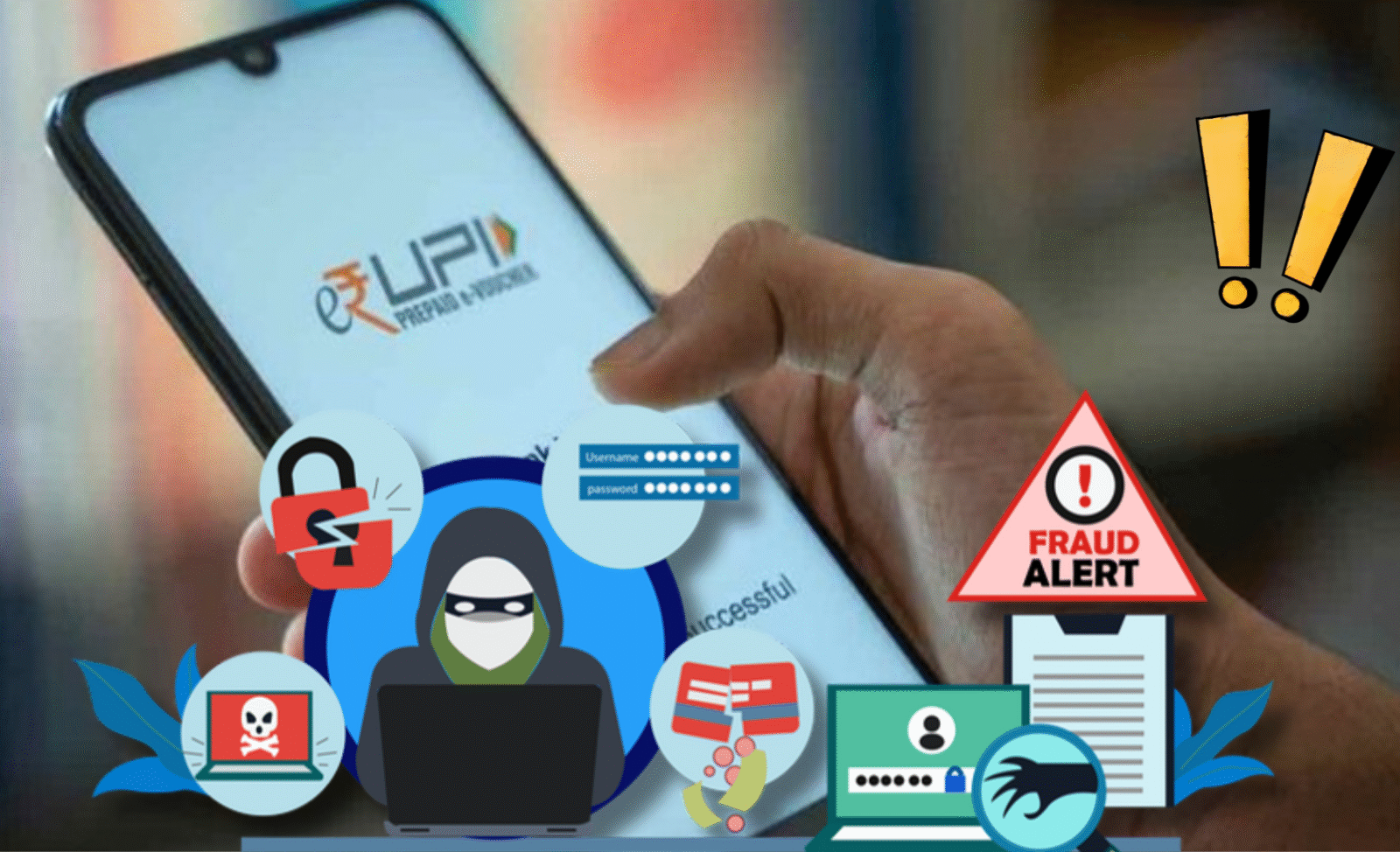

UPI safety has become a major concern in India as digital payments continue to grow. Knowing how to use UPI safely and recognizing common payment scams can help users protect their money while using apps like Google Pay, PhonePe and Paytm.
UPI safety is critical in 2026 because Unified Payments Interface transactions now handle billions of payments every month across India. While UPI has made instant digital payments simple and convenient, fraudsters increasingly target users through social engineering tricks and fake payment requests. Understanding how these scams work allows users to avoid financial losses and keep their accounts secure.
Why UPI scams are increasing in India
UPI digital payments have expanded rapidly across India, including Tier 2 and Tier 3 cities. The ease of sending and receiving money through mobile apps has encouraged millions of users to adopt the system for daily transactions.
However, the same convenience has also created opportunities for fraud. Scammers often rely on psychological tactics rather than technical hacking. They attempt to trick users into approving payment requests or revealing confidential information.
Many scams begin with phone calls, fake customer support messages or misleading links shared through messaging apps. People who are new to digital payments are especially vulnerable because they may not fully understand how UPI transactions work.
Knowing the most common fraud techniques can significantly reduce the chances of becoming a victim.
Fake collect request scam in UPI apps
One of the most common UPI payment scams involves fake collect requests. In this method, scammers send a payment request to the victim through a UPI app.
The message may claim that the user is receiving money from a buyer, employer or service provider. In reality the request asks the victim to approve a payment instead of receiving funds.
If the user enters their UPI PIN to approve the request, the money is transferred from their account to the scammer. This confusion happens because some users assume that entering a PIN is required to receive money.
In reality UPI PIN is only needed when sending money or approving a collect request.
QR code scam targeting online sellers
QR code scams often target individuals who sell products online or list items on classified platforms. The scammer pretends to be a buyer and offers to pay immediately.
They send a QR code and instruct the seller to scan it in order to receive payment. However scanning the code actually triggers a payment request instead of transferring money to the seller.
If the victim enters their UPI PIN, money is deducted from their account. Genuine payments do not require scanning QR codes to receive money. QR codes are used only when making payments.
This scam is particularly common in peer to peer marketplaces and social media selling groups.
Fake customer support and bank calls
Fraudsters frequently impersonate bank representatives or UPI customer support agents. They contact victims claiming there is a problem with their account, payment app or KYC verification.
The scammer then asks for sensitive information such as UPI PIN, debit card details or OTP codes. Sometimes they request the user to install remote access apps that allow them to control the victim’s phone.
Banks and payment platforms never ask customers to share confidential details over phone calls or messages. Any request for PINs or OTPs should immediately raise suspicion.
Users should only contact official support channels through verified apps or websites.
Screen sharing and remote access scams
Another growing digital payment fraud involves screen sharing applications. Scammers convince victims that they need to troubleshoot a payment issue.
They ask the user to install screen sharing apps that allow remote access to the phone. Once access is granted, the scammer can see everything happening on the device.
During this process they may guide the victim to open their UPI app and unknowingly approve transactions. Because the fraudster can observe the screen, they can capture sensitive details such as PIN entry patterns.
Users should never grant remote access to unknown individuals claiming to provide technical support.
Fake cashback and reward links
Fake cashback messages are often circulated through SMS, WhatsApp or email. These messages promise rewards, refunds or promotional cashback offers from payment apps.
The link in the message usually leads to a fake website designed to look similar to a legitimate payment platform. Victims are asked to enter login details or banking information.
In some cases the website attempts to install malicious software on the device. Genuine cashback offers are typically visible directly inside official apps rather than through random links.
Users should avoid clicking suspicious payment related messages or advertisements.
Simple steps to use UPI safely in daily transactions
Using UPI safely requires following a few basic precautions. The first rule is never sharing the UPI PIN with anyone. The PIN is equivalent to a password for financial transactions.
Users should also verify payment requests carefully before approving them. Reading the details of the request can prevent accidental transfers.
Enabling app security features such as fingerprint authentication or device lock adds an additional layer of protection. Updating payment apps regularly ensures that security patches are applied.
If suspicious activity is detected, users should immediately report the issue through the payment app or their bank’s official support system.
Takeaways
UPI PIN should never be shared with anyone under any circumstances
Payment requests must be verified before approving any transaction
QR codes should only be scanned to make payments, not to receive money
Suspicious calls or messages claiming to be customer support should be ignored
FAQs
Is UPI safe for digital payments in India?
Yes, UPI is considered secure because it uses strong authentication systems. However users must remain cautious and avoid sharing confidential information.
Can someone withdraw money using only a UPI ID?
No, a UPI PIN is required to complete any payment transaction. Without the PIN, money cannot be transferred from an account.
What should I do if I receive a suspicious UPI request?
Do not approve the request. Check the sender details carefully and report suspicious activity through the payment app or bank support.
How can users report UPI fraud in India?
Users can report fraud through their bank, the payment app support system or national cybercrime reporting portals.