
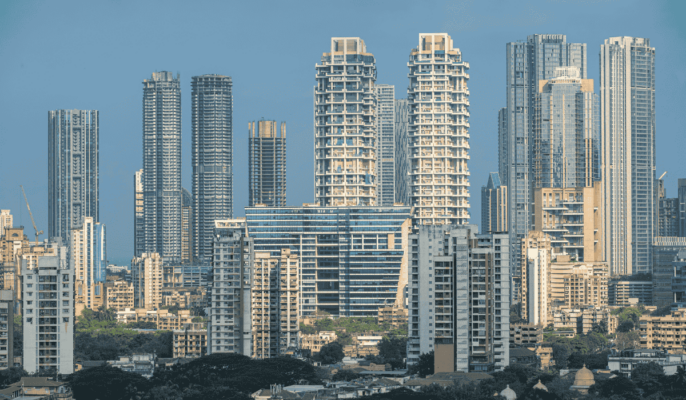

India’s property market is witnessing a noticeable shift as professionals increasingly move to smaller cities. Tier-2 locations are attracting homebuyers due to lower property prices, improved infrastructure, and growing job opportunities.
The Tier-2 India real estate boom is reshaping the country’s housing market. Cities such as Indore, Jaipur, Coimbatore, Lucknow, and Nagpur are seeing rising demand from professionals who prefer affordable housing, better quality of life, and expanding local economies. This trend is gradually reducing the dominance of major metropolitan markets.
Why Tier-2 Cities Are Attracting Homebuyers
The growth of real estate in Tier-2 cities in India is largely driven by affordability. Property prices in smaller cities remain significantly lower than in major metropolitan areas. For many professionals, purchasing a home in cities like Bengaluru or Mumbai can be financially challenging due to high property values.
In comparison, Tier-2 cities offer larger homes at lower prices, making home ownership more accessible for middle income buyers. Apartments and independent houses are often available at costs that are a fraction of what buyers would pay in metro markets.
Lower living expenses also contribute to the appeal of these cities. Daily costs such as transportation, utilities, and local services tend to be more affordable. This allows professionals to maintain a comfortable lifestyle while saving money.
For families, smaller cities also offer less congestion and shorter commuting times, improving overall quality of life.
Remote Work Expanding Housing Demand
The rise of remote work in India real estate trends has significantly influenced the housing demand in smaller cities. Many companies now allow employees to work from home or follow hybrid work models, reducing the need to live near office locations in large cities.
Professionals who previously moved to metros for employment opportunities are now returning to their hometowns or relocating to smaller cities. With stable internet connectivity and digital collaboration tools, employees can continue working for companies based in different cities.
This shift has increased demand for spacious homes suitable for remote work setups. Buyers often look for properties with extra rooms that can serve as home offices.
Developers in Tier-2 cities are responding by launching residential projects that cater to professionals seeking modern housing amenities.
Infrastructure Development Supporting Real Estate Growth
Improved infrastructure development in Tier-2 cities has played a major role in boosting property demand. Many smaller cities have seen significant investments in transportation, healthcare facilities, and educational institutions.
Better highways and rail connectivity have reduced travel time between major cities and regional centers. Several Tier-2 cities now also have expanding airports that improve accessibility for business travel.
Urban development projects such as metro systems, ring roads, and smart city initiatives are further enhancing livability. These improvements make smaller cities more attractive for both residents and businesses.
As infrastructure continues to develop, real estate investors are increasingly viewing Tier-2 markets as long term growth opportunities.
Job Opportunities Emerging Beyond Metro Cities
Another factor behind the real estate growth in smaller Indian cities is the increasing availability of local employment opportunities. Companies in sectors such as manufacturing, information technology, education, and logistics are expanding operations beyond traditional metro locations.
Industrial corridors and technology parks are being developed in many regional cities. These developments create employment opportunities that encourage professionals to settle locally rather than relocating.
Startup ecosystems are also emerging in several Tier-2 cities, attracting young professionals interested in entrepreneurship and technology careers.
As economic activity spreads across regions, housing demand naturally increases in areas experiencing job growth.
Investment Potential in Tier-2 Property Markets
The property investment opportunities in Tier-2 India are drawing attention from both homebuyers and investors. Compared to saturated metro markets, smaller cities often offer higher potential for property appreciation.
Investors frequently look for areas where infrastructure improvements or industrial developments are expected to increase demand. Early investments in such locations can generate significant returns as the local economy expands.
Rental demand is also increasing in some Tier-2 cities due to growing student populations and young professionals moving for employment. This creates additional income opportunities for property investors.
However, buyers are advised to research local market conditions carefully before investing. Factors such as infrastructure development, employment growth, and population trends influence property value over time.
Lifestyle Advantages of Living in Smaller Cities
Beyond financial factors, lifestyle preferences are influencing the migration of professionals to Tier-2 cities. Many individuals seek less crowded environments, cleaner surroundings, and stronger community connections.
Smaller cities often offer better work life balance compared to large metropolitan areas. Reduced commuting times allow professionals to spend more time with family or pursue personal interests.
Educational institutions, healthcare services, and recreational facilities have improved significantly in many regional cities. These developments make them suitable for long term living.
For professionals who value affordability, convenience, and quality of life, Tier-2 cities present an increasingly attractive alternative to expensive metro markets.
Takeaways
Lower property prices are a major driver behind the real estate boom in Tier-2 cities.
Remote work has enabled professionals to live in smaller cities while working for companies elsewhere.
Infrastructure development and economic growth are strengthening regional housing markets.
Tier-2 cities offer improved lifestyle benefits including lower living costs and reduced congestion.
FAQs
Why are professionals moving to Tier-2 cities in India?
Affordable housing, lower living costs, and better quality of life are encouraging professionals to relocate to smaller cities.
Is real estate investment in Tier-2 cities profitable?
It can be profitable if the city has strong infrastructure development, employment opportunities, and population growth.
Which Tier-2 cities are seeing real estate growth?
Cities such as Indore, Jaipur, Coimbatore, Lucknow, Nagpur, and Chandigarh are experiencing rising property demand.
How has remote work influenced real estate demand?
Remote work allows professionals to live outside major metros, increasing housing demand in smaller cities.