
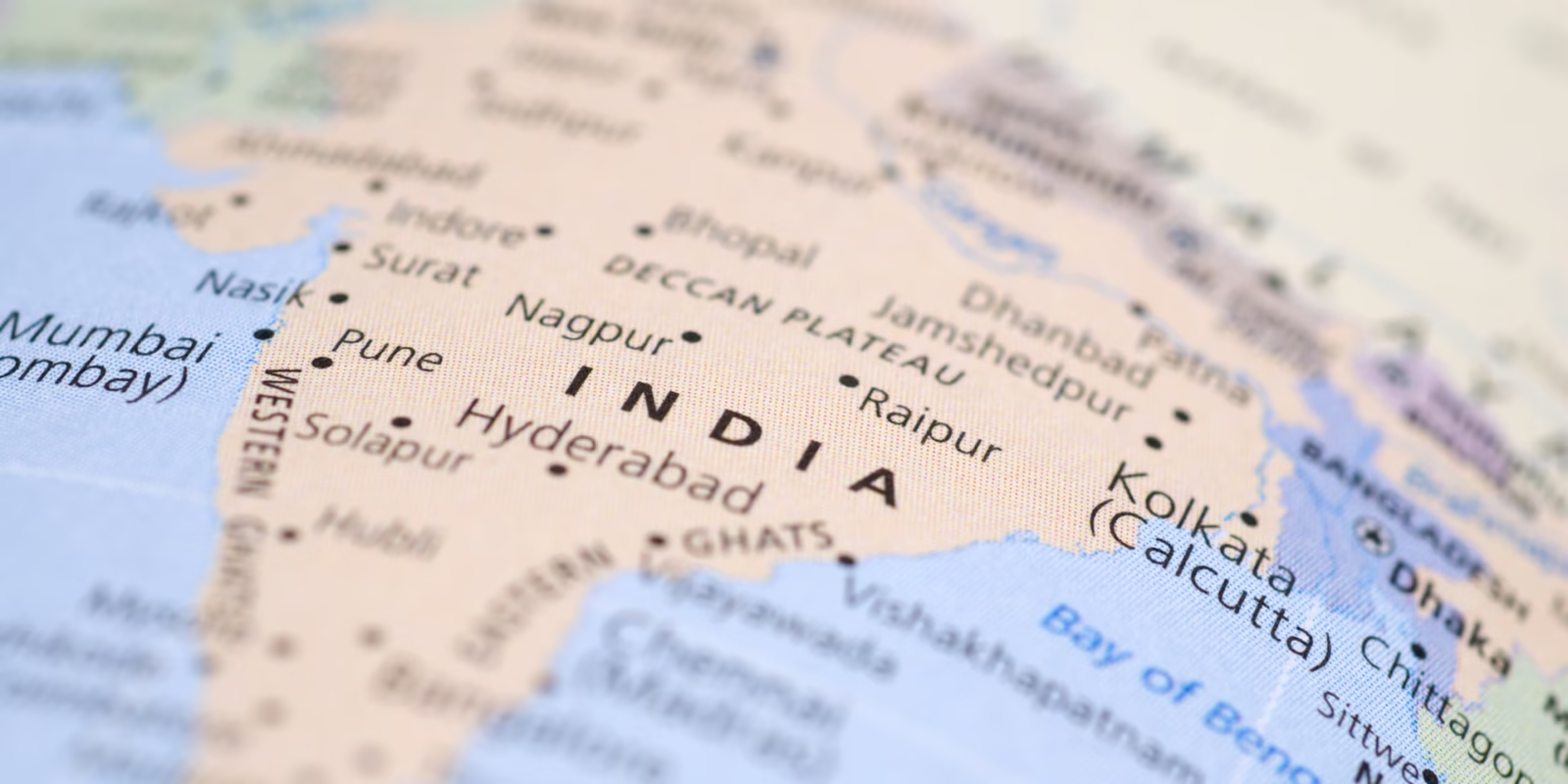

Tier-2 cities such as Jaipur, Indore, and Coimbatore are rapidly emerging as startup hubs in India. Lower operating costs, improved digital infrastructure, and strong talent pools are encouraging entrepreneurs to launch and scale businesses outside traditional metro startup ecosystems.
Tier-2 cities in India are becoming startup hubs as entrepreneurs increasingly move beyond traditional metro locations. Cities like Jaipur, Indore, and Coimbatore now offer a mix of lower business costs, skilled graduates, and expanding digital infrastructure. This shift is changing the geography of India’s startup ecosystem and opening new opportunities for founders and investors.
For many years, India’s startup ecosystem was concentrated in large metropolitan cities such as Bengaluru, Mumbai, and Delhi. These cities provided access to venture capital, skilled professionals, and technology infrastructure. However, rising operational costs and intense competition in metro markets have encouraged entrepreneurs to explore alternative locations.
Today, Tier-2 cities are attracting new startups across sectors such as technology services, logistics, e commerce, education technology, and manufacturing innovation.
Lower Business Costs Driving Startup Growth
One of the biggest reasons Tier-2 cities are becoming startup hubs is the significant difference in operating costs compared with major metropolitan areas.
Office rents in cities like Jaipur, Indore, and Coimbatore are substantially lower than those in large startup clusters. Entrepreneurs can set up offices, coworking spaces, or small manufacturing units at a fraction of metro city costs.
Employee salaries also tend to be more affordable while still offering access to capable talent. This allows early stage startups to allocate more resources toward product development, marketing, and growth.
Lower living expenses also make these cities attractive for founders and employees. Professionals who might struggle with high rents and commuting costs in large cities often find a better work life balance in smaller urban centers.
For startups operating with limited funding, these cost advantages can significantly extend the business runway.
Expanding Talent Pool from Regional Universities
Another major factor behind the rise of Tier-2 startup ecosystems is the availability of skilled graduates from regional universities and engineering colleges.
Cities such as Indore and Coimbatore are known for their strong educational institutions that produce graduates in engineering, management, and computer science every year. Many of these graduates previously migrated to metro cities in search of employment opportunities.
However, the growth of local startup ecosystems is creating job opportunities within these cities. Young professionals can now build careers in technology, product development, and digital marketing without relocating.
Local startups also benefit from employees who understand regional markets and customer needs. This can be particularly valuable for businesses focused on local commerce, regional logistics, or digital services targeting smaller cities.
As more startups establish operations in these cities, the talent ecosystem continues to strengthen through experience and skill development.
Government Policies Supporting Regional Startup Ecosystems
Government initiatives have played an important role in supporting startup growth beyond metro cities. National and state level programs now actively encourage entrepreneurship across different regions of the country.
Several startup policies provide tax incentives, incubation support, and funding opportunities for new businesses. Startup incubators located in universities and technology parks are helping early stage founders develop products and connect with investors.
State governments in regions such as Rajasthan, Madhya Pradesh, and Tamil Nadu have launched programs aimed at strengthening local startup ecosystems. These initiatives often include startup grants, mentorship networks, and innovation hubs.
Digital platforms for startup registration and government support schemes have also made the application process more accessible. Entrepreneurs in smaller cities can now access startup benefits without needing to relocate to major startup hubs.
These policies are gradually decentralizing the startup ecosystem across India.
Growing Digital Infrastructure and Internet Access
Digital infrastructure has improved significantly in many Tier-2 cities over the past decade. Reliable internet connectivity, expanding broadband services, and widespread smartphone usage have made it easier to operate digital businesses from smaller locations.
Startups in sectors such as software development, e commerce, digital marketing, and online education rely heavily on internet connectivity rather than physical proximity to major business districts.
Cloud computing services and remote work technologies have further reduced location constraints. Teams can collaborate online while serving clients across different regions of India or even internationally.
Logistics infrastructure has also improved. Courier networks now cover most cities and towns, enabling e commerce startups to ship products nationwide from smaller urban centers.
These technological advancements have made location less important for many digital businesses.
Quality of Life and Entrepreneurial Community Growth
Quality of life is becoming a strong factor influencing where entrepreneurs choose to build their businesses. Cities like Jaipur, Indore, and Coimbatore offer shorter commute times, lower pollution levels, and a relatively relaxed lifestyle compared with large metropolitan areas.
These factors can improve productivity and reduce burnout among startup teams. Many founders believe that a balanced lifestyle contributes to better long term creativity and decision making.
Startup communities are also growing in these cities through networking events, startup meetups, and innovation forums. Local entrepreneur groups often collaborate to share resources, knowledge, and mentorship.
Coworking spaces and startup accelerators are also expanding in Tier-2 cities. These spaces allow early stage founders to work in collaborative environments while accessing mentorship and investor networks.
As these communities continue to grow, they strengthen the foundation for sustainable startup ecosystems.
Takeaways
Tier-2 cities such as Jaipur, Indore, and Coimbatore are emerging as important startup hubs in India.
Lower operating costs and affordable talent make these cities attractive for early stage businesses.
Regional universities are creating a strong talent pipeline for local startup ecosystems.
Improved digital infrastructure and government support are accelerating startup growth in smaller cities.
FAQs
Why are startups moving to Tier-2 cities in India?
Startups are moving to Tier-2 cities because of lower operating costs, access to skilled graduates, and improving infrastructure.
Which Indian cities are considered emerging startup hubs?
Cities such as Jaipur, Indore, Coimbatore, Ahmedabad, and Chandigarh are increasingly recognized as growing startup ecosystems.
Do Tier-2 cities offer good talent for startups?
Yes. Many regional universities and engineering colleges produce skilled graduates who are now finding opportunities within local startup companies.
Are government policies supporting startups outside metro cities?
Yes. National and state startup policies provide funding support, incubation programs, and tax benefits for entrepreneurs across India.