
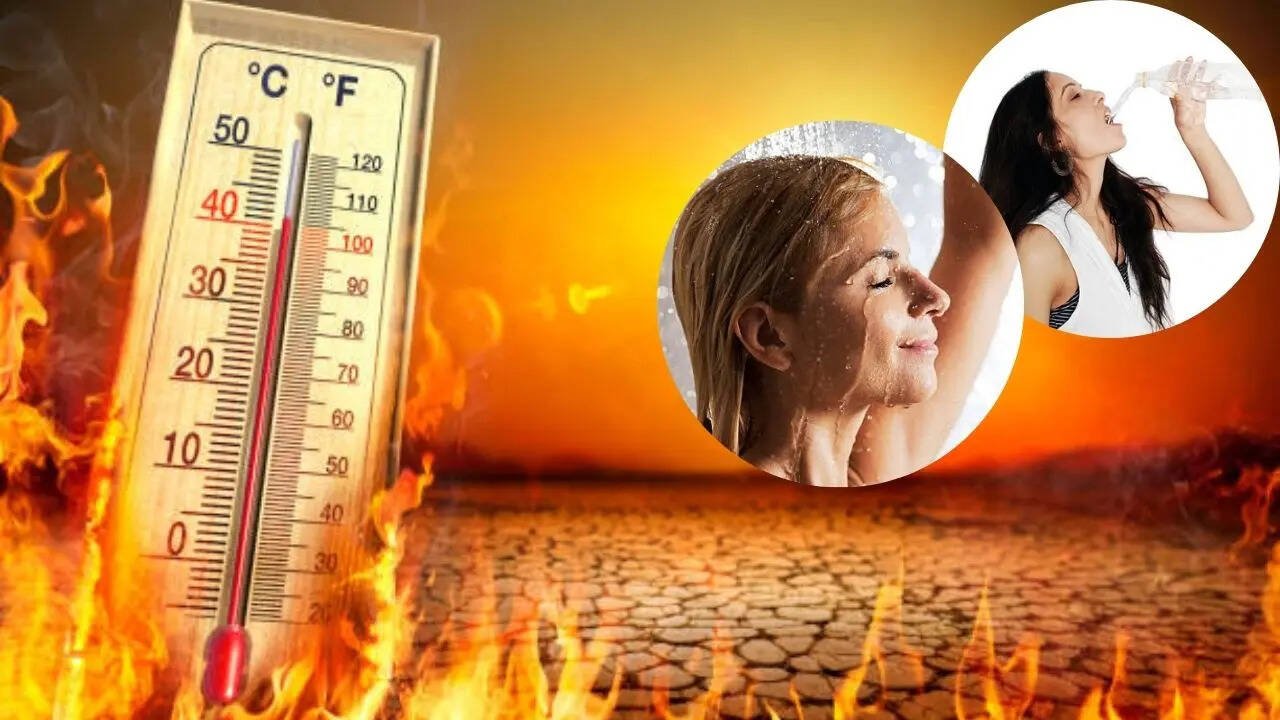

Early summer heatwaves in India are arriving sooner and becoming more intense, especially in many Tier 2 cities. Rising temperatures can cause dehydration, heat exhaustion, and other health risks. Understanding practical safety measures helps households protect themselves during extreme heat.
Early summer heatwaves in India are now a recurring concern across several states. Cities that normally experience peak heat in April or May are already seeing temperatures climb sharply in March. Many Tier 2 cities such as Nagpur, Indore, Kanpur, Surat, and Ranchi often face stronger heat stress because of dense construction, limited green cover, and increasing urban growth.
For residents in these cities, staying safe during extreme temperatures requires awareness and practical daily habits. Heatwaves can affect anyone, but children, elderly people, outdoor workers, and people with health conditions face higher risks. Learning how to manage heat exposure can prevent serious health problems during the early summer season.
Why Early Summer Heatwaves Are Increasing in India
Early summer heatwaves in India have become more frequent due to changing weather patterns and urban heat island effects. Cities with expanding infrastructure often trap more heat because roads, buildings, and concrete surfaces absorb sunlight and release it slowly during the day.
Tier 2 cities are particularly vulnerable because urban development often expands faster than green infrastructure. Limited tree cover and fewer public cooling spaces can increase daytime temperatures by several degrees.
Another factor is dry air combined with strong sunlight during the pre-monsoon season. When humidity remains low but sunlight is intense, surface temperatures rise quickly. This can push afternoon temperatures above 40 degrees Celsius even before the traditional summer peak begins.
Understanding these environmental conditions helps residents prepare for extreme heat before it becomes dangerous.
Recognizing Heatwave Symptoms and Health Risks
One of the most important steps in heatwave safety is recognizing early warning signs of heat-related illness. Common symptoms include excessive sweating, dizziness, headache, muscle cramps, nausea, and unusual fatigue.
If these symptoms appear, the body may be experiencing heat exhaustion. Without quick cooling and hydration, this can progress to heatstroke, which is a medical emergency. Heatstroke symptoms include confusion, fainting, hot dry skin, and a rapid pulse.
In Tier 2 cities where many people work outdoors in markets, construction sites, or transport jobs, the risk is even higher. Continuous exposure to high temperatures without rest or hydration can quickly lead to severe health problems.
Early recognition of symptoms allows people to act quickly and avoid serious complications.
Practical Hydration and Cooling Strategies
Staying hydrated is one of the most effective ways to prevent heat-related illness. During early summer heatwaves, adults should drink water regularly even if they do not feel thirsty. Waiting until thirst begins can already mean mild dehydration.
Traditional Indian drinks such as buttermilk, lemon water, coconut water, and oral rehydration solutions can help replace lost electrolytes. Avoid excessive caffeine and sugary soft drinks because they may increase dehydration.
Clothing also plays an important role in cooling. Light colored, loose cotton clothing allows better airflow and helps the body regulate temperature.
At home, simple cooling techniques can reduce indoor heat. Keeping curtains closed during peak sunlight hours, using ceiling fans effectively, and ventilating rooms during early morning or late evening can lower indoor temperatures.
Smart Daily Routine Adjustments During Heatwaves
Adjusting daily schedules can significantly reduce heat exposure. Outdoor activities should ideally be completed before late morning or after sunset when temperatures begin to drop.
Many Tier 2 cities experience peak heat between 12 pm and 4 pm. During these hours, it is safer to remain indoors whenever possible. Schools, construction sites, and local authorities sometimes adjust working hours during severe heatwaves to reduce risk.
For people who must work outdoors, frequent rest breaks in shaded areas are essential. Wearing hats, using umbrellas, and applying sunscreen can also help reduce direct sun exposure.
Vehicle interiors can heat up quickly in summer. Never leave children or pets inside parked vehicles, even for short periods.
Protecting Vulnerable Groups in Households
Children, elderly people, and individuals with medical conditions require additional attention during extreme heat. Their bodies may not regulate temperature as efficiently, making them more vulnerable to heat stress.
Families should ensure elderly members remain hydrated and avoid direct sunlight during peak heat hours. Children playing outdoors should take regular breaks and drink fluids frequently.
Community awareness is also important in Tier 2 cities where neighbors often support each other. Checking on elderly neighbors during heatwaves can help identify health risks early.
Public cooling centers, shaded markets, and parks can provide temporary relief during the hottest parts of the day when homes become uncomfortable.
Takeaways
Early summer heatwaves are arriving earlier in many Indian cities due to rising temperatures and urban heat buildup.
Hydration, lightweight clothing, and limiting outdoor activity during peak afternoon hours help reduce heat exposure.
Recognizing symptoms of heat exhaustion early can prevent more serious conditions like heatstroke.
Children, elderly individuals, and outdoor workers require extra protection during extreme heat conditions.
FAQs
What temperature is considered a heatwave in India?
A heatwave is typically declared when temperatures reach unusually high levels compared with the region’s normal seasonal averages, often above 40 degrees Celsius in many plains areas.
What is the best drink to prevent dehydration during heatwaves?
Water remains the most important drink. Coconut water, lemon water, buttermilk, and oral rehydration solutions can also help maintain electrolyte balance.
Which time of day is most dangerous during a heatwave?
The highest risk period is usually between 12 pm and 4 pm when sunlight and surface temperatures reach their peak.
How can homes stay cooler without air conditioning?
Closing curtains during the afternoon, improving airflow with fans, ventilating homes during cooler hours, and using reflective window coverings can help reduce indoor heat.