
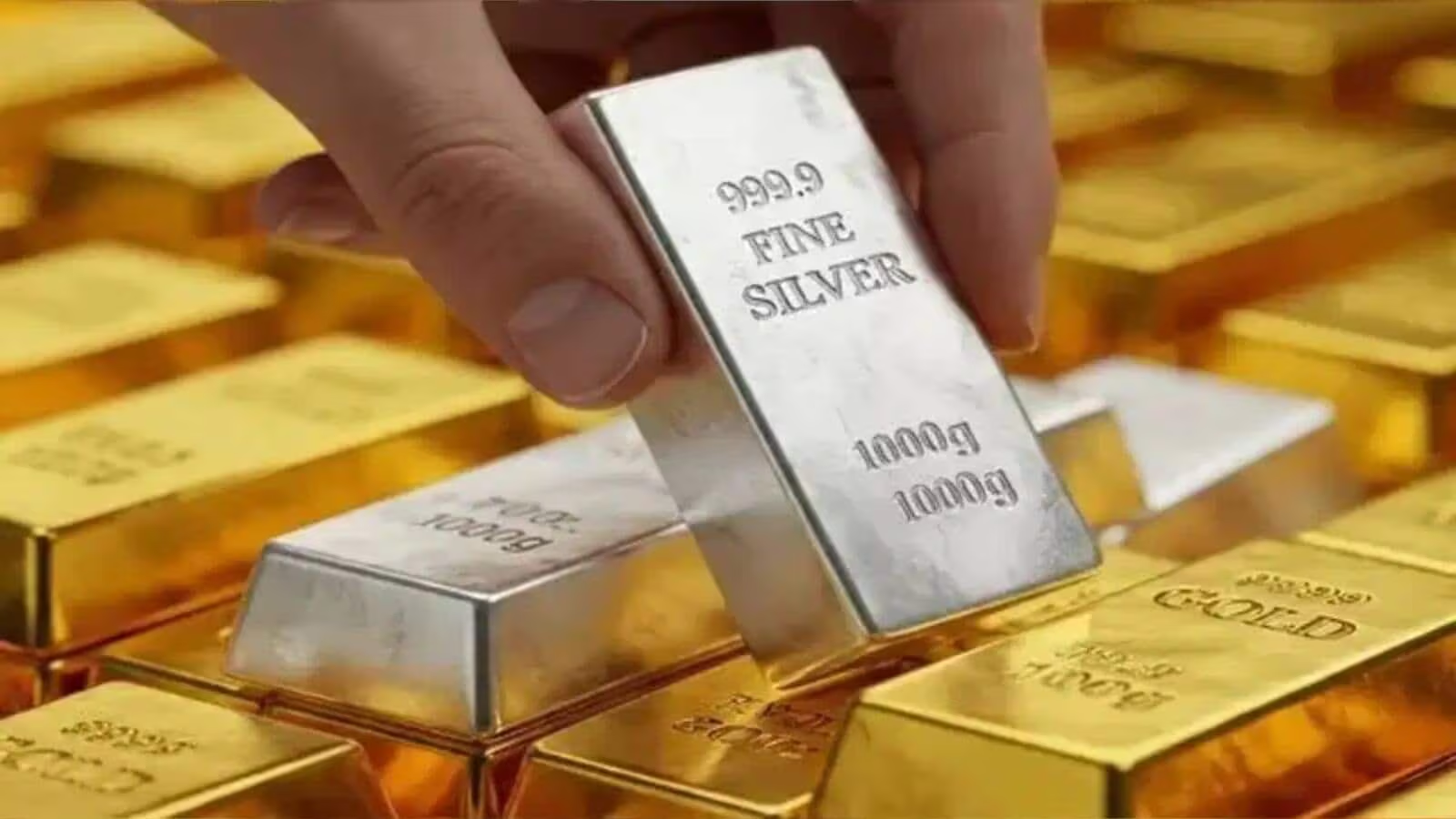

Gold and silver prices in India change frequently due to global markets, currency movement, and local demand. Tracking prices before buying jewellery or investing helps consumers avoid overpaying and make better financial decisions in a volatile precious metals market.
Tracking gold and silver prices in India before buying jewellery or investing has become essential for consumers and investors. Precious metal prices fluctuate daily based on global commodity markets, currency exchange rates, and domestic demand. Whether someone plans to buy jewellery for a wedding or invest in bullion, understanding how to monitor gold and silver price movements helps ensure better timing and value.
In India, gold holds both cultural and financial importance. Millions of households buy gold jewellery during festivals, weddings, and special occasions. At the same time, investors view gold and silver as safe assets that can protect wealth during economic uncertainty. Because prices change regularly, tracking the market carefully before purchasing is a smart strategy.
Why Gold and Silver Prices Change Frequently
Gold and silver prices in India are influenced by several economic factors. The most important factor is the international price of gold and silver, which is determined in global commodity markets. Since India imports most of its gold, international price changes directly affect domestic rates.
Currency movements also play a key role. When the Indian rupee weakens against the US dollar, imported gold becomes more expensive, which pushes domestic gold prices higher. On the other hand, a stronger rupee can slightly reduce local prices.
Seasonal demand also impacts prices. Festivals such as Akshaya Tritiya, Diwali, and wedding seasons often increase jewellery demand. Higher demand during these periods can push gold prices upward.
Silver prices tend to fluctuate even more because silver is widely used in industrial applications, including electronics, solar panels, and manufacturing.
Understanding these factors helps buyers interpret daily price changes more clearly.
Checking Gold and Silver Prices on Commodity Exchanges
One reliable way to track gold and silver prices in India is through commodity market updates. The Multi Commodity Exchange or MCX is the primary platform where gold and silver futures are traded in India.
MCX prices reflect the current trading value of precious metals based on market demand and supply. Many financial websites and trading apps display live MCX rates throughout the day.
Investors often monitor these prices because they provide a real time indication of how gold and silver values are moving in the market. Jewellery buyers can also use MCX rates as a benchmark to understand whether local jewellery prices are reasonable.
Although jewellery prices include additional charges such as making costs and taxes, MCX prices give a clear idea of the base metal value.
Using Mobile Apps and Financial Platforms
Mobile apps have made it easier than ever to track gold and silver prices daily. Many financial apps display live commodity prices along with historical charts and price alerts.
Popular investment platforms provide real time gold and silver rate updates. Users can also set alerts when prices reach a specific level, helping them plan purchases more effectively.
Some jewellery brands and bullion dealers also provide their own apps or websites where daily gold rates are published. These platforms often display city wise gold prices since taxes and logistics costs may cause small variations between locations.
By checking multiple sources through mobile apps, consumers can quickly understand current market trends before making a purchase.
Understanding Jewellery Pricing and Making Charges
Tracking gold prices alone is not enough when buying jewellery. The final jewellery price includes several additional components that buyers should understand.
First is the purity of gold. In India, jewellery is commonly sold in 22 karat purity, which means the gold contains around 91.6 percent pure metal. Investment gold bars are usually 24 karat.
Second is the making charge. This is the labour cost for designing and crafting the jewellery piece. Making charges can vary widely depending on the complexity of the design and the jewellery brand.
There is also the Goods and Services Tax applied to gold purchases. Buyers should check whether the quoted price includes these charges or if they are added separately.
Understanding these factors helps consumers compare jewellery prices more accurately across different stores.
Best Time to Buy Gold or Silver
Timing plays an important role when buying precious metals. Many investors watch price trends over several days or weeks before making a purchase decision.
Short term price dips often occur when global markets stabilize or when the currency strengthens. Some buyers take advantage of these temporary declines to purchase gold at lower rates.
Another approach is gradual investment. Instead of buying large quantities at once, investors sometimes purchase smaller amounts over time. This method reduces the risk of buying at a temporary price peak.
For jewellery buyers, monitoring prices a few weeks before major festivals or wedding purchases can help secure better deals.
Careful timing combined with reliable price tracking leads to more informed buying decisions.
Takeaways
Tracking gold and silver prices helps consumers avoid paying higher rates when buying jewellery or investing.
International commodity markets and currency movements strongly influence precious metal prices in India.
MCX rates and financial apps provide real time gold and silver price updates for buyers and investors.
Understanding purity, making charges, and taxes helps consumers evaluate jewellery prices more accurately.
FAQs
How often do gold prices change in India?
Gold prices can change multiple times during the day because they are influenced by global commodity markets and currency exchange rates.
What is the difference between 22 karat and 24 karat gold?
Twenty four karat gold is considered pure gold, while 22 karat gold contains a small amount of other metals to increase durability for jewellery.
Why are jewellery prices higher than gold market prices?
Jewellery prices include making charges, taxes, and retailer margins in addition to the base gold rate.
Is silver a good investment compared to gold?
Silver can be more volatile than gold because it has strong industrial demand, but it is often considered a lower cost entry point for precious metal investments.