
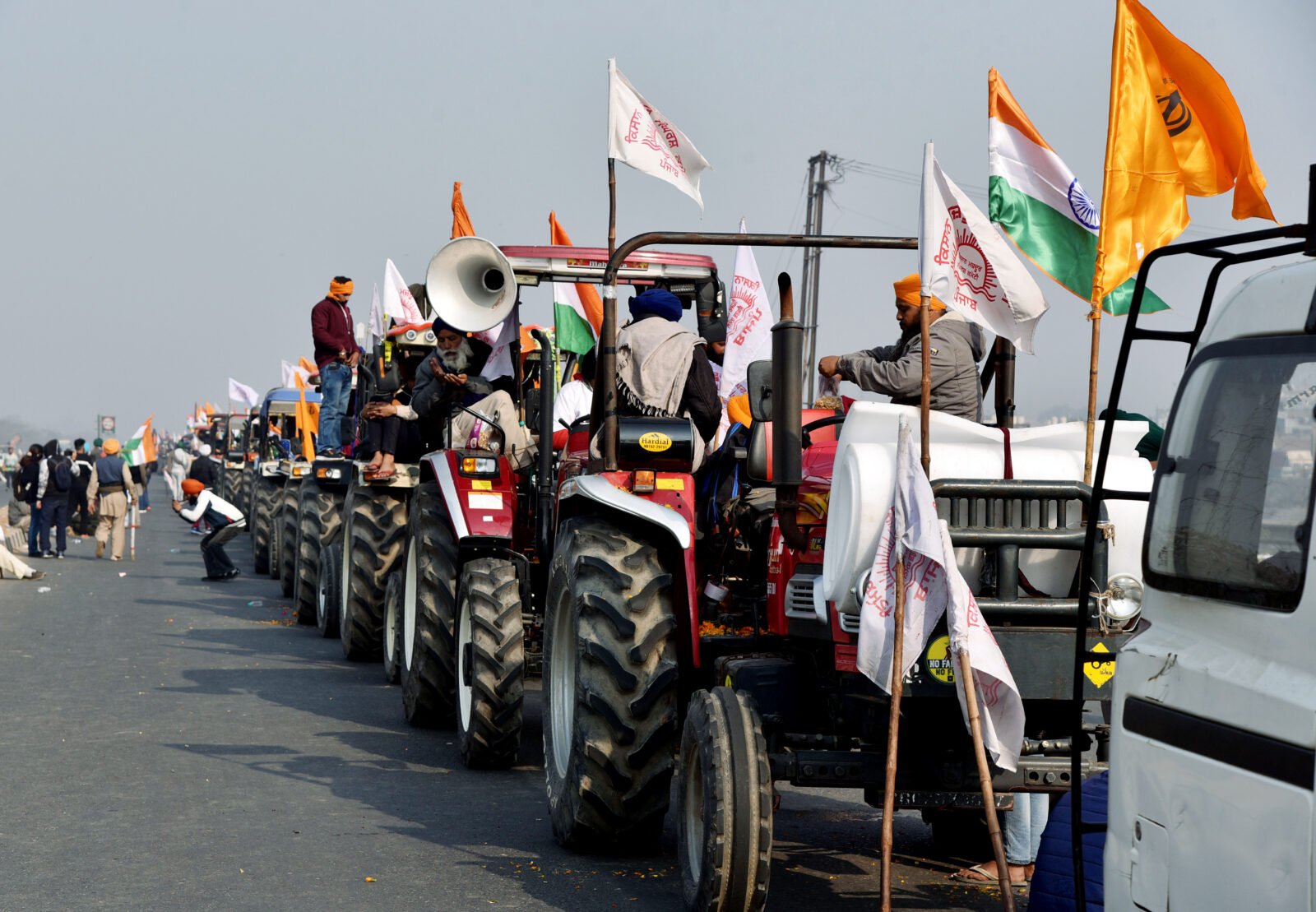

Farmers in Haryana organized tractor marches to protest concerns about a proposed India US trade deal. Demonstrators fear that agricultural imports could impact domestic prices and local farmers. The protests highlight ongoing debates about trade policy and agricultural protection.
Farmers hold tractor marches in Haryana as concerns grow over a proposed India US trade deal that could affect the agricultural sector. Demonstrations took place in several districts where farmers gathered with tractors and banners to express worries about the potential impact of international trade agreements on domestic crop prices. The protests reflect broader anxieties among farming communities about how global trade policies may influence local agriculture.
Agriculture remains a major economic activity in Haryana, with crops such as wheat, rice, mustard, and cotton forming the backbone of rural livelihoods. Farmers in the state have historically been active in raising policy concerns when they believe new measures could threaten income stability. The tractor marches are part of this tradition of organized agricultural protests.
The demonstrations come at a time when discussions about trade cooperation between India and the United States have raised questions among farmers about market access, import competition, and price stability.
Tractor Marches Organized Across Haryana Districts
The tractor marches in Haryana involved groups of farmers traveling in convoys of tractors along designated routes in rural and semi urban areas. Farmers gathered at village meeting points before moving toward district headquarters or government offices to submit memorandums outlining their concerns.
Tractors have become a symbolic vehicle for farmer protests across northern India. They represent agricultural identity as well as economic strength within rural communities. By organizing tractor marches, farmers are able to demonstrate the scale of participation and attract attention to their demands.
Local farmer unions and agricultural organizations coordinated the demonstrations. Many participants carried placards highlighting issues related to crop prices, import policies, and farmer income protection.
Authorities monitored the marches and traffic movement was regulated to avoid disruption in major urban areas. In most locations, the protests remained peaceful with farmers voicing their concerns through public gatherings and speeches.
Concerns Over the Proposed India US Trade Deal
At the center of the protests is the proposed India US trade deal, which has sparked debate among agricultural groups. Farmers worry that expanded trade access could allow certain imported agricultural products to enter Indian markets at competitive prices.
If imported goods become cheaper than locally produced crops, farmers fear it could affect market demand and reduce domestic prices. This concern is particularly strong in regions where agriculture is the primary source of income.
Farm organizations argue that small and medium farmers may struggle to compete with large scale agricultural producers in developed economies. They also worry that sudden policy changes could disrupt established procurement systems and local markets.
Trade agreements often aim to reduce tariffs and increase market access between countries. While such agreements can improve economic cooperation, they can also raise concerns among domestic producers who fear increased competition.
These issues have made agricultural policy a central topic in discussions about international trade agreements.
Importance of Agriculture in Haryana’s Economy
Agriculture plays a major role in Haryana’s economy and rural employment. The state is one of India’s leading producers of wheat and rice and contributes significantly to the national food grain supply.
Farmers in Haryana depend heavily on stable crop prices and government procurement systems. Minimum support price policies and public procurement programs have historically provided income security to farmers growing key crops.
Because of this reliance on agricultural markets, policy changes that could affect crop prices or trade conditions often trigger strong reactions from farmer groups.
Tractor marches and public demonstrations allow farmers to express their concerns directly to policymakers. These protests also attract attention to issues that farmers believe require further discussion before major decisions are made.
Maintaining balance between international trade objectives and domestic agricultural protection remains a complex policy challenge.
Government Response and Ongoing Discussions
Government officials have acknowledged the concerns raised by farmers and emphasized that trade negotiations typically involve multiple rounds of consultation. Policymakers often examine how proposed agreements could affect various sectors before finalizing terms.
Agricultural groups frequently request safeguards in trade deals to protect sensitive sectors. These safeguards may include tariff limits, import quotas, or phased market access to allow domestic producers time to adapt.
Discussions between policymakers, farmer unions, and agricultural experts often play a key role in shaping final policy decisions. Public consultations can help address concerns about market competition and income stability.
While protests highlight immediate anxieties among farmers, trade negotiations generally continue through diplomatic and economic discussions between participating countries.
The outcome of such negotiations often reflects a balance between expanding international trade opportunities and protecting domestic industries.
Takeaways
Farmers in Haryana organized tractor marches to protest concerns about a proposed India US trade deal.
Demonstrators fear increased agricultural imports could affect domestic crop prices and farmer incomes.
Agriculture is a major part of Haryana’s economy, making trade policy a sensitive issue for rural communities.
Discussions between policymakers and farmer groups are expected to continue as trade negotiations progress.
FAQs
Why did farmers hold tractor marches in Haryana?
Farmers organized tractor marches to express concerns that a proposed India US trade deal could impact domestic agricultural prices and farmer incomes.
What are farmers worried about in the trade deal?
Many farmers fear that increased agricultural imports could create stronger competition for locally produced crops.
Why are tractors used during farmer protests?
Tractors represent the agricultural identity of farmers and allow large groups to participate visibly in demonstrations.
Will the protests affect the trade negotiations?
Public protests highlight farmer concerns and may influence policy discussions, but final decisions usually involve multiple stages of negotiation and consultation.