
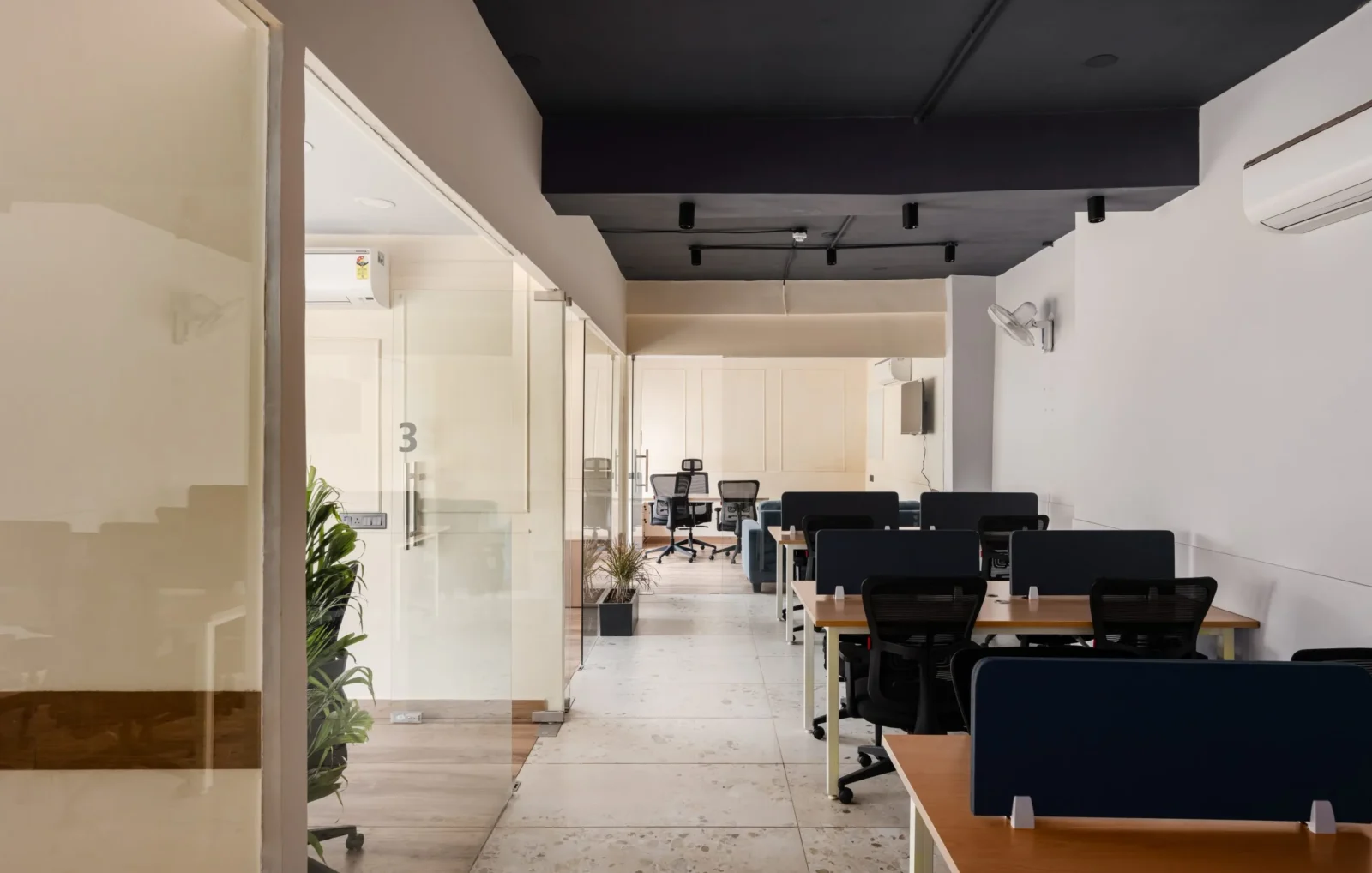

The co working space business in Tier 2 cities is growing rapidly as freelancers, startups, and remote workers look for affordable office environments. Cities like Madurai and Indore are seeing rising demand for flexible workspaces that combine professional facilities with lower operational costs.
Starting a small co working space business in Tier 2 cities requires careful planning, local market understanding, and smart use of available infrastructure. With increasing remote work and startup activity across India, smaller cities are becoming strong markets for flexible office solutions.
Why Co Working Spaces Are Growing in Tier 2 Cities
The co working space business in Tier 2 cities has gained momentum because many professionals no longer need to work from large metro offices. Remote work, freelance careers, and small startups have created a new demand for affordable office infrastructure.
Cities like Indore, Madurai, Nagpur, and Jaipur now host growing communities of entrepreneurs, digital creators, and service professionals. Many of these individuals prefer a shared office environment rather than working from home.
Tier 2 cities also offer lower real estate costs compared to metro areas. Rent for commercial spaces is significantly cheaper, which allows co working operators to offer competitive pricing while maintaining healthy profit margins.
Another important factor is local startup growth. Government startup policies, digital payment adoption, and improved internet infrastructure have made it easier for small businesses to operate outside major metropolitan hubs.
Understanding the Local Market Demand
Before launching a co working space business, market research is essential. Each Tier 2 city has a different professional ecosystem and demand pattern.
Start by identifying who will use the workspace. Common users include freelancers, digital marketing agencies, small startups, consultants, online educators, and remote employees working for companies based in larger cities.
In cities like Indore, the presence of educational institutions and IT services companies creates demand for shared offices. Madurai also has a growing business ecosystem with professionals in finance, healthcare, and online services.
Location plays a critical role in success. Co working spaces perform better when they are close to business districts, colleges, transport hubs, or residential areas where young professionals live.
Understanding pricing expectations is equally important. Tier 2 city customers generally prefer affordable monthly memberships instead of premium corporate packages.
Choosing the Right Space and Infrastructure
Selecting the right property is one of the most important steps when starting a co working space business in smaller cities.
A small co working space can start with around 1500 to 3000 square feet. This size allows room for shared desks, private cabins, meeting rooms, and a small lounge area.
Reliable internet connectivity is the backbone of any co working space. High speed broadband with backup connectivity should be installed to avoid disruptions.
Basic infrastructure requirements include ergonomic desks, comfortable chairs, power backup, meeting rooms, printing facilities, and secure access systems. Many successful co working spaces also provide community areas where members can interact.
Natural lighting and ventilation are often overlooked but make a big difference in productivity and workspace comfort.
Pricing Strategy for Tier 2 City Customers
Pricing must reflect the local economy and target audience. Charging metro level prices in smaller cities often leads to low occupancy.
Most Tier 2 co working spaces offer flexible pricing models such as daily passes, part time desk access, and monthly memberships. This flexibility attracts freelancers and small teams who may not require permanent offices.
Hot desks are usually the most affordable option, allowing users to work from any available seat. Dedicated desks and private cabins can be priced higher for businesses that need fixed spaces.
Offering meeting room rentals on an hourly basis can also generate additional revenue.
Many operators introduce discounted plans for students, early stage startups, and long term members to build an initial customer base.
Marketing a Co Working Space in Smaller Cities
Marketing strategies in Tier 2 cities rely heavily on community engagement and local networking rather than large advertising budgets.
Local business groups, startup communities, and professional associations are valuable channels for promotion. Hosting networking events, workshops, and startup meetups can quickly build brand awareness.
Digital marketing also plays an important role. Maintaining active social media pages and listing the workspace on Google Maps helps potential customers discover the location easily.
Referral programs work particularly well in smaller cities. When existing members recommend the space to friends or colleagues, it helps build trust and organic growth.
Partnerships with educational institutes and startup incubators can also bring consistent foot traffic to the workspace.
Common Challenges and How to Overcome Them
Starting a co working space in Tier 2 cities comes with challenges that require strategic planning.
The first challenge is initial occupancy. New spaces may take several months to build a stable member base. Offering trial days or discounted launch memberships can help attract early users.
Another challenge is maintaining consistent community engagement. A co working space should feel active and collaborative rather than quiet and isolated.
Hosting skill sessions, networking evenings, or startup discussions keeps members engaged and encourages long term retention.
Operational costs such as electricity and internet should also be carefully managed to maintain profitability.
When executed well, a small co working space can become a central hub for entrepreneurship and collaboration in emerging cities.
Takeaways
The co working space business is expanding rapidly in Tier 2 cities due to remote work and startup growth.
Choosing the right location and offering affordable pricing are critical for success.
Reliable internet, comfortable workspaces, and meeting facilities form the core infrastructure.
Community building and local networking are the most effective marketing strategies.
FAQs
Is a co working space business profitable in Tier 2 cities?
Yes, lower real estate costs and growing freelance communities make Tier 2 cities attractive markets for co working businesses when pricing and location are planned correctly.
How much investment is needed to start a small co working space?
A small setup with basic infrastructure can require moderate investment depending on rent, furniture, internet installation, and interior design.
Who are the main users of co working spaces in smaller cities?
Freelancers, startups, digital professionals, consultants, remote employees, and students working on projects are common users.
What facilities should a co working space provide?
High speed internet, comfortable desks, meeting rooms, power backup, printing services, and community areas are essential features.