
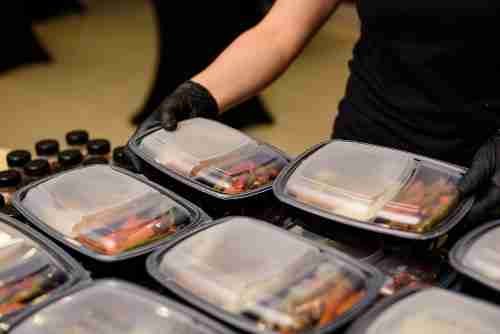

Starting a low budget home tiffin service in Tier 2 cities is becoming a practical small business option for many households. With rising demand for affordable homemade meals among students, office workers, and migrants, this model can generate steady income with limited investment.
A home tiffin service focuses on delivering fresh daily meals prepared in a home kitchen. Cities like Nagpur, Indore, Surat, and Coimbatore have strong demand because many people living away from families prefer simple home style food over restaurant meals.
Understanding Demand for Home Tiffin Services in Tier 2 Cities
The home tiffin service business works well in Tier 2 cities because these locations have large student populations, growing job markets, and many working professionals who do not have time to cook daily meals.
Students living in hostels or rented rooms often search for affordable home cooked food. Office employees working long hours also prefer reliable meal delivery instead of ordering expensive restaurant dishes every day.
Another important factor is the rising cost of food delivery apps. Many customers are moving toward monthly tiffin subscriptions because they are cheaper and healthier.
A successful home tiffin service usually focuses on simple Indian meals such as roti, rice, dal, vegetables, and occasionally regional dishes. Customers value taste consistency, hygiene, and punctual delivery more than complicated menus.
Planning Your Menu and Pricing Strategy
Menu planning is one of the most important steps when starting a low budget tiffin service. The goal is to keep meals simple, nutritious, and easy to cook in larger quantities.
Most successful tiffin services follow a rotating weekly menu. For example, a basic lunch meal may include two or three rotis, dal, seasonal vegetables, rice, and salad. Dinner menus can include similar items with slight variations.
Pricing must be affordable for local customers. Monthly subscription models are very common in this business. Customers often prefer fixed plans for lunch, dinner, or both meals.
For example, a monthly lunch tiffin package may include around twenty to twenty five meal deliveries. Pricing should consider ingredient costs, packaging expenses, cooking time, and delivery charges.
Offering vegetarian meals initially can simplify operations because ingredient costs are easier to manage and cooking processes are faster.
Required Equipment and Kitchen Setup
Starting a home tiffin service does not require a commercial kitchen in the beginning. Many entrepreneurs successfully run small operations directly from their home kitchens.
Basic equipment includes gas stoves, pressure cookers, large cooking vessels, storage containers, and food preparation tools. A refrigerator is useful for storing vegetables and ingredients safely.
Food packaging is another important component. Reusable stainless steel tiffin containers or disposable food grade containers are commonly used. Many services now prefer eco friendly packaging to reduce waste.
Maintaining hygiene standards is critical. Clean cooking surfaces, safe ingredient storage, and proper food handling practices build customer trust and encourage long term subscriptions.
Even small businesses benefit from maintaining basic records of daily orders, ingredient purchases, and delivery schedules.
Managing Delivery and Logistics
Delivery planning determines whether a tiffin service runs smoothly or becomes difficult to manage.
Many small operators begin by delivering meals within a limited area such as a two to three kilometer radius. This reduces travel time and fuel costs.
Some home tiffin businesses deliver meals personally using two wheelers, while others hire part time delivery helpers. In some cities, local courier services or gig delivery partners can also be used.
Time management is essential. Meals must reach customers during predictable lunch and dinner hours. Late deliveries often lead to customer dissatisfaction.
Organizing delivery routes in advance helps reduce confusion. Grouping deliveries by neighborhood makes the process more efficient.
Marketing Your Home Tiffin Service Locally
Marketing for a home tiffin service relies heavily on local visibility and word of mouth recommendations.
One of the most effective methods is promoting the service within nearby hostels, paying guest accommodations, and office complexes. Flyers, notice board postings, and local community groups can help spread awareness.
Digital platforms also play a major role. Listing the service on Google Maps and sharing updates on social media platforms can attract nearby customers searching for homemade meals.
WhatsApp groups are widely used for daily menu announcements and order confirmations. Many customers appreciate seeing the daily meal options before confirming their orders.
Introductory discounts or free trial meals can help attract the first group of customers and build early feedback.
Challenges and How to Handle Them
Running a home tiffin service comes with operational challenges that need careful management.
One common issue is fluctuating demand. Some customers may cancel subscriptions temporarily, especially during holidays or travel periods. Maintaining a flexible customer base helps stabilize income.
Ingredient price changes can also affect profitability. Purchasing vegetables and grains in local wholesale markets often helps reduce costs.
Another challenge is maintaining food quality while scaling the business. As customer numbers increase, consistent taste and portion size must be maintained.
Many successful tiffin services gradually expand by adding additional cooks, upgrading kitchen equipment, or renting small commercial kitchens once demand grows.
Takeaways
A low budget home tiffin service can start with minimal investment and basic kitchen equipment.
Students and working professionals in Tier 2 cities create strong demand for homemade meals.
Simple menus, reliable delivery, and consistent taste are key to long term customer retention.
Local marketing and word of mouth promotion help build a stable customer base.
FAQs
How much investment is needed to start a home tiffin service?
A small home based tiffin service can begin with modest investment for ingredients, packaging containers, and basic kitchen equipment.
Who are the main customers for tiffin services?
Students, office workers, migrants living away from families, and elderly residents often rely on regular tiffin services for daily meals.
Do I need a food license to start a tiffin service?
Small food businesses usually require basic food safety registration depending on local regulations and scale of operations.
How many customers can a small tiffin service handle initially?
Many home based operators begin with ten to twenty customers and gradually increase capacity as demand grows.