
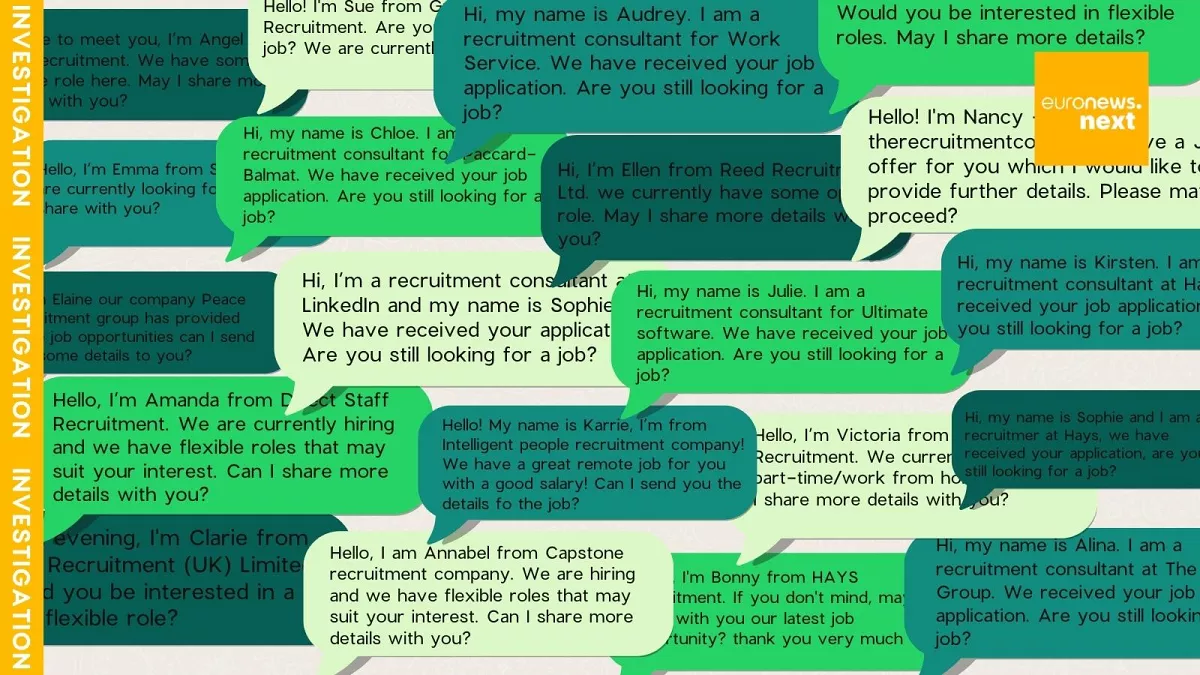

Fake job offers on WhatsApp and Telegram have increased sharply in 2026, targeting job seekers across Tier-2 and Tier-3 cities. Understanding common scam patterns and verification steps can help you avoid financial loss and identity theft.
Fake job offers on WhatsApp and Telegram are designed to look convincing, often using company names, logos, and urgent hiring messages. These scams primarily target freshers, freelancers, and people looking for remote work opportunities.
Why Fake Job Scams Are Rising in 2026
The rise of fake job offers is directly linked to increased digital job searching and the popularity of messaging apps. Scammers use WhatsApp and Telegram because they allow quick outreach, anonymity, and mass messaging.
In smaller cities like Nagpur, Indore, and Jaipur, many users rely on informal job channels, making them more vulnerable. Fraudsters exploit this by sending bulk messages offering high salaries, easy work-from-home jobs, or quick hiring without interviews.
Another factor is the growing demand for remote jobs. Scammers package fake opportunities as data entry, part-time work, or online tasks to attract maximum responses.
Common Types of Fake Job Offers on WhatsApp Telegram
Understanding the formats used by scammers helps identify red flags early. One common type is data entry scams where users are promised high payouts for simple typing work but are later asked to pay a registration fee.
Another frequent scam involves fake HR recruiters claiming to represent well-known companies. They may share offer letters or ask for personal documents like Aadhaar and PAN details.
Telegram job groups are also used to circulate task-based scams. Users are asked to complete small paid tasks initially, then pushed into larger payments under the promise of higher returns.
Some scams even involve fake interview processes conducted entirely on chat, which is not standard practice for most legitimate companies.
Key Signs to Identify Fake Job Messages Quickly
There are clear warning signs that indicate a fake job offer. Messages that promise unusually high salaries for minimal work should be treated with caution.
If a recruiter contacts you without any prior application, it is often suspicious. Legitimate companies rarely hire directly through random WhatsApp messages.
Another red flag is asking for upfront payment. Genuine employers do not charge registration or training fees before hiring.
Check the language used in the message. Poor grammar, generic greetings, and urgent deadlines are common tactics used to create pressure.
How to Verify Job Offers Before Responding
Verification is the most effective way to avoid scams. Always search for the company’s official website and check whether the job role is listed there.
Look for official email communication from a company domain. Recruiters using personal email IDs or only messaging apps are not reliable.
You can also cross-check recruiter profiles on professional platforms like LinkedIn. Genuine recruiters usually have a visible work history.
If possible, contact the company directly using official contact details to confirm whether the offer is legitimate.
What to Do If You Receive a Suspicious Job Offer
If you receive a doubtful message, avoid clicking on any links or downloading attachments. These may contain malware or phishing tools.
Do not share personal documents such as Aadhaar, PAN, or bank details unless you are certain about the employer’s authenticity.
Report the number or account on WhatsApp or Telegram to help reduce scam spread. Blocking such contacts prevents further communication.
If you have already made a payment, report the incident to cybercrime authorities immediately to increase chances of recovery.
Why Awareness Is Critical for Job Seekers in Tier-2 Cities
Job seekers in Tier-2 and Tier-3 cities often depend on mobile-based communication for job opportunities. This makes awareness the first line of defense against scams.
Local communities and student groups frequently share job messages without verification, unintentionally amplifying scams.
With increasing digital adoption, scams are becoming more sophisticated. Staying informed about evolving tactics is essential to avoid falling victim.
Building a habit of verifying every opportunity before responding can save both money and personal data.
Takeaways
• Fake job offers often promise high pay with minimal effort
• Never pay upfront fees for job applications or training
• Always verify recruiters and companies through official channels
• Avoid sharing personal or financial information without confirmation
FAQs
Q1: Are all WhatsApp job offers fake?
No, but most legitimate companies do not hire directly through unsolicited WhatsApp messages.
Q2: What is the biggest red flag in job scams?
Requests for upfront payment or personal financial details are major warning signs.
Q3: Can scammers misuse my Aadhaar or PAN details?
Yes, sharing such details can lead to identity theft and financial fraud.
Q4: Where can I report job scams in India?
You can report them through official cybercrime portals or local authorities.