
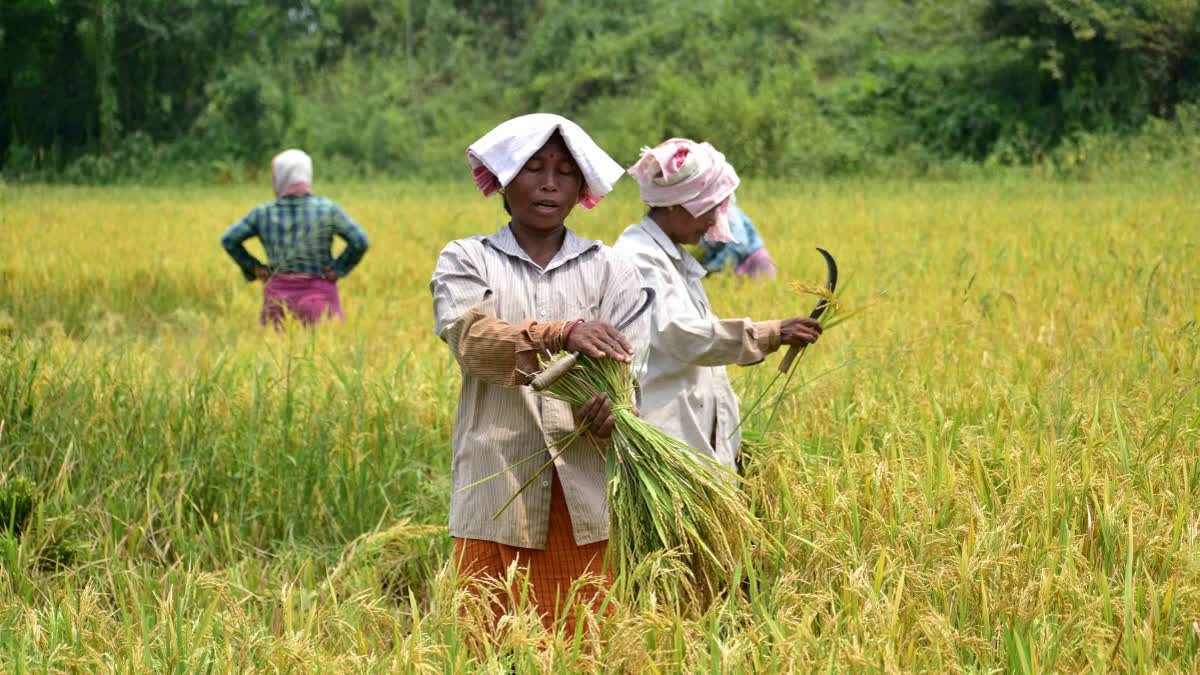

Unexpected March rain alerts in Maharashtra are creating fresh uncertainty for farmers harvesting rabi crops. With wheat, chana, and other seasonal produce nearing maturity, proactive field management has become essential to prevent yield losses and maintain grain quality.
Unexpected March rain alerts in Maharashtra have become a growing concern for farmers, especially during the final harvesting window of rabi crops. Weather variability in late winter and early summer months often leads to unseasonal showers that can damage standing crops, reduce grain quality, and disrupt harvest schedules. Farmers who take timely preventive measures can minimize losses and safeguard their seasonal income.
Understanding March rainfall patterns in Maharashtra
Late season rainfall during March is typically linked to western disturbances and local atmospheric fluctuations. In recent years, districts across Vidarbha, Marathwada, and parts of western Maharashtra have reported sudden showers and hail events. These weather shifts tend to coincide with crop maturity stages, making wheat, gram, and mustard particularly vulnerable. Moisture exposure during this phase can lead to lodging, fungal infections, and sprouting in grains.
The risk is higher for crops that are fully mature but not yet harvested. Farmers must monitor regional weather advisories from agricultural universities and meteorological departments to plan harvesting schedules. Staying updated helps avoid harvesting delays that can worsen crop damage.
Crop protection strategies before rainfall
Farmers should begin by assessing crop maturity levels and prioritizing early harvesting for fields that are ready. Using mechanical harvesters can speed up operations, especially when rain warnings are issued. If harvesting is not immediately possible, ensuring proper drainage within fields becomes critical. Clearing bunds and channels allows excess water to flow out, preventing waterlogging.
Applying preventive fungicides in gram and other pulse crops can help reduce the risk of disease outbreaks triggered by sudden humidity. For wheat growers, tying lodged crops gently and maintaining upright positioning can reduce the chances of grain spoilage.
Post rain crop management and storage precautions
After rainfall, quick action is essential to preserve crop quality. Harvested produce should be dried under controlled conditions before storage. Traditional sun drying methods remain effective, but farmers should avoid direct exposure to wet soil. Using tarpaulins or raised platforms helps prevent contamination.
Grain storage facilities must be moisture free and ventilated. Even small amounts of residual moisture can lead to fungal growth and reduced market value. Farmers are encouraged to check local mandi advisories for updated procurement norms, as moisture content often affects pricing.
Insurance and government advisory support
Many farmers in Maharashtra are covered under crop insurance schemes that provide compensation for weather related damage. Understanding claim procedures and reporting crop losses within the stipulated timeframe is essential. Local agriculture offices and extension workers play a key role in guiding farmers through documentation and assessment processes.
Government advisories often include recommendations on crop residue management and soil health restoration after unexpected weather events. Following these guidelines supports long term productivity and reduces recurring risks.
Long term climate resilience for rabi farming
Climate variability is increasingly influencing agricultural planning in Maharashtra. Farmers are gradually adopting resilient practices such as diversified cropping, improved irrigation scheduling, and weather based farm advisories. Investing in soil moisture management and selecting tolerant crop varieties can improve outcomes during uncertain weather periods.
Community based farming initiatives, including shared storage infrastructure and collective harvesting arrangements, are also gaining attention. Such approaches help small and marginal farmers respond more effectively to sudden climatic changes.
Takeaways
• Monitor weather alerts closely during crop maturity and harvest periods
• Prioritize early harvesting and ensure effective field drainage systems
• Dry and store harvested grains properly to maintain quality and price value
• Utilize crop insurance and agricultural advisories to reduce financial risks
FAQs
Why are March rains harmful for rabi crops in Maharashtra
Unseasonal rainfall during maturity can cause lodging, fungal growth, and grain sprouting, reducing yield quality and market price.
Which rabi crops are most affected by sudden rainfall
Wheat, gram, mustard, and other pulses are particularly vulnerable during late season showers.
How can farmers protect harvested produce from moisture
Using tarpaulins, raised drying platforms, and well ventilated storage units helps prevent moisture related spoilage.
Are there government schemes to support farmers facing weather losses
Yes, crop insurance programs and agricultural advisory services provide financial and technical support for weather related damage.