
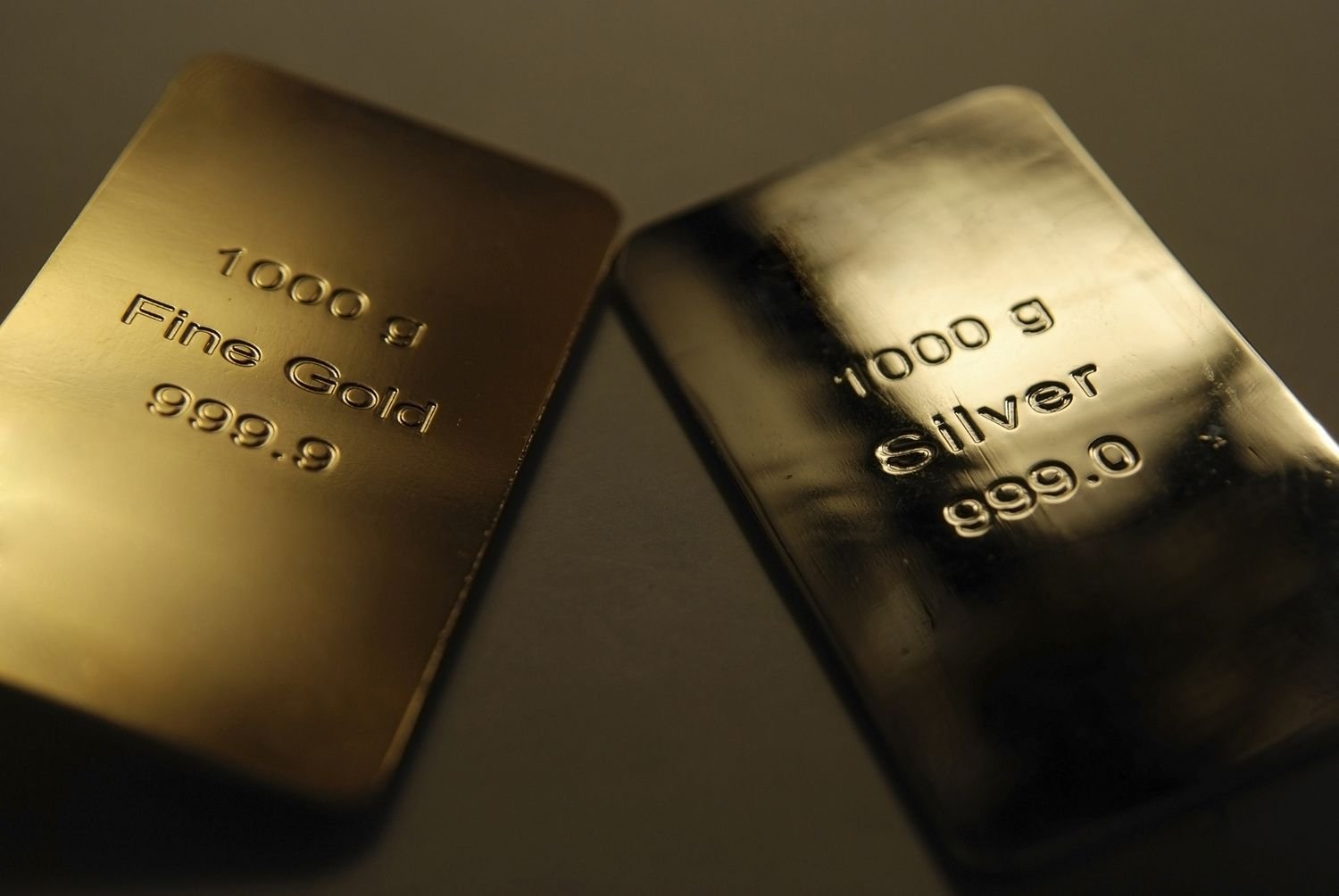

Checking gold and silver prices daily before buying jewellery helps buyers avoid overpaying and make informed investment decisions. With fluctuating bullion rates influenced by global and domestic factors, understanding how to track prices accurately is essential for smart jewellery purchases.
Step by step guide to checking gold and silver prices daily before buying jewellery is an evergreen need for Indian consumers, especially during festive and wedding seasons. Precious metal rates change frequently due to international market movements, currency fluctuations, import duties, and local demand. Buyers who monitor these changes can time their purchase better and negotiate more confidently with jewellers.
Understanding how gold and silver price trends work
Gold and silver prices in India are largely determined by global bullion markets and the rupee dollar exchange rate. Domestic taxation policies and seasonal demand also influence retail jewellery rates. Price trends can vary slightly across cities due to transportation costs and local market margins. Buyers should focus on standard benchmark rates rather than store specific quotes.
For example, 24 karat gold represents the purest form, while 22 karat is commonly used for jewellery. Silver prices are typically quoted per kilogram in wholesale markets and per gram in retail stores. Knowing these basics helps buyers compare prices effectively before making a purchase decision.
Reliable sources to check daily bullion rates online
Consumers can track daily gold and silver prices through official commodity exchanges, bullion associations, and trusted financial news platforms. Mobile apps from major banks and financial service providers also offer real time price updates. Checking multiple sources ensures accuracy and avoids reliance on outdated information.
Another effective method is reviewing updates from reputable jewellers who publish daily rate charts. However, buyers should confirm whether quoted prices include making charges and taxes. This step prevents confusion when final billing is calculated.
How to compare local jewellery store prices accurately
Retail jewellery prices often include additional costs such as making charges, wastage fees, and GST. Buyers should request a complete cost breakdown before finalizing a purchase. Comparing rates across two or three trusted stores helps identify fair pricing.
In smaller cities and towns, local market associations sometimes publish daily bullion rates. These benchmarks provide a realistic reference point. Buyers should also check hallmark certification to ensure authenticity and purity of gold jewellery.
Using digital tools and alerts for price monitoring
Technology has simplified price tracking through automated alerts and financial dashboards. Many apps allow users to set notifications when gold or silver reaches a preferred price level. This feature is useful for buyers planning purchases weeks in advance.
Online comparison platforms also display historical price trends. Studying these patterns helps identify favorable buying windows. For example, price corrections often occur after global economic announcements or shifts in interest rates.
Timing your jewellery purchase for better value
Seasonal demand plays a significant role in jewellery pricing. Festive periods and wedding seasons typically see higher demand, which can lead to slight price premiums. Planning purchases during relatively calm market periods may offer better deals.
Bulk purchases or advance booking schemes offered by jewellers can also reduce cost pressure. However, buyers must verify terms carefully and ensure transparency in pricing policies before committing to any plan.
Takeaways
• Track gold and silver prices from multiple trusted sources before buying jewellery
• Understand purity levels, making charges, and tax components in final pricing
• Use digital alerts and historical trends to identify favorable buying periods
• Compare rates across local stores to ensure fair and transparent transactions
FAQs
Why do gold and silver prices change daily in India
Prices fluctuate due to global market movements, currency exchange variations, import duties, and changes in domestic demand.
Which is better for jewellery buying, 22 karat or 24 karat gold
22 karat gold is commonly used for jewellery because it is more durable, while 24 karat is purer but softer.
How can buyers ensure they are paying the correct jewellery price
Checking benchmark bullion rates, verifying hallmark certification, and reviewing cost breakdowns helps ensure accurate pricing.
Are mobile apps reliable for tracking precious metal prices
Most financial and bullion tracking apps provide real time updates, but users should cross check with multiple trusted sources.