
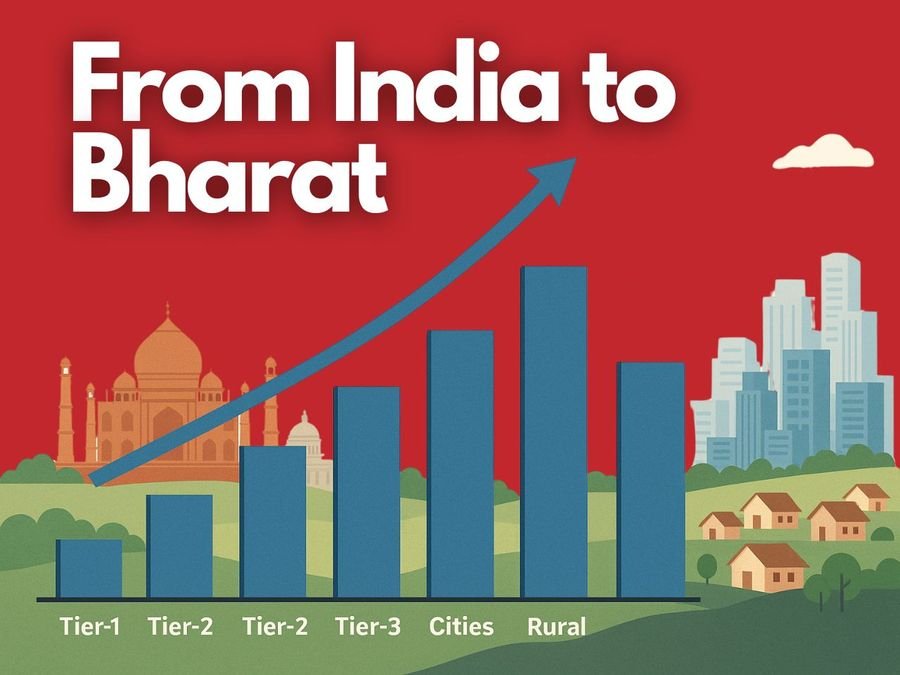

Tier-2 cities are rapidly becoming startup hubs in India, driven by policy support, lower costs, and improving digital infrastructure. The 2026 policy push is accelerating this shift, bringing funding, talent, and opportunities beyond traditional metro ecosystems.
The rise of Tier-2 cities as startup hubs reflects a time-sensitive trend shaped by government initiatives, investor interest, and changing work patterns. Cities like Indore, Jaipur, Kochi, and Nagpur are now contributing actively to India’s startup ecosystem.
Policy Push Driving Startup Growth in Tier-2 Cities
The transformation of Tier-2 cities into startup hubs is strongly linked to recent policy measures. Government programs under Startup India and state-level initiatives are focusing on decentralizing entrepreneurship.
Policies are encouraging the creation of incubators, funding access, and ease of doing business in smaller cities. Regional startup summits and innovation events are also playing a role in building awareness and connecting entrepreneurs with investors.
Infrastructure development, including industrial corridors and digital connectivity, is further supporting this growth. The focus is clear. Reduce dependency on metro cities and create multiple innovation clusters across the country.
Lower Costs and Operational Advantages for Startups
One of the biggest advantages of Tier-2 cities is cost efficiency. Office space, salaries, and operational expenses are significantly lower compared to cities like Bengaluru or Mumbai.
This allows startups to extend their runway and allocate more resources to product development and marketing. For early-stage ventures, this cost advantage can be critical for survival.
Additionally, reduced competition for local resources such as talent and vendor networks gives startups more control over operations. Founders are also finding it easier to build stable teams due to lower attrition rates.
These factors make Tier-2 cities attractive not just for new startups but also for companies looking to expand operations.
Talent Pool Expansion and Reverse Migration Trends
The talent landscape in Tier-2 cities is evolving rapidly. With remote work becoming normalized, many professionals are choosing to return to their hometowns while continuing to work or build startups.
Educational institutions in these cities are also improving, producing graduates with relevant skills. Engineering colleges, management institutes, and skill development centers are contributing to a growing talent pool.
Reverse migration has brought experienced professionals back to smaller cities, creating a mix of fresh and experienced talent. This combination is helping startups build strong teams without relying entirely on metro-based hiring.
The availability of talent is no longer a major constraint for startups outside major urban centers.
Sector-Wise Growth in Tier-2 Startup Ecosystems
Certain sectors are driving startup growth in Tier-2 cities. Edtech, fintech, healthtech, and agritech are among the most prominent.
Agritech startups are particularly strong in smaller cities due to proximity to rural markets. These startups are solving real problems related to supply chains, farming efficiency, and market access.
Healthtech ventures are also expanding, offering digital healthcare solutions in regions with limited medical infrastructure. Edtech platforms are targeting students in smaller cities, where demand for quality education is high.
Local problem-solving is becoming a key differentiator. Startups that understand regional challenges are gaining faster traction.
Investor Interest and Funding Trends Beyond Metros
Investors are increasingly looking beyond metro cities for opportunities. The 2026 policy push has created confidence in Tier-2 ecosystems, encouraging venture capital firms and angel investors to explore these markets.
Early-stage funding is becoming more accessible through incubators, accelerators, and government-backed programs. While large funding rounds are still concentrated in metros, the gap is gradually narrowing.
Investors are also recognizing the potential of startups built on local insights. Businesses that address underserved markets often have strong growth potential.
The presence of funding networks in Tier-2 cities is expected to increase further in the coming years.
Challenges That Tier-2 Startup Ecosystems Still Face
Despite the progress, challenges remain. Access to advanced infrastructure, such as high-end research facilities and large-scale manufacturing units, is still limited in some regions.
Funding availability, while improving, is not as consistent as in metro cities. Startups may need to travel or relocate temporarily to secure larger investments.
Mentorship and exposure to global markets can also be limited. While regional events are helping, the ecosystem is still developing.
Regulatory processes, although improving, can vary across states, creating additional complexity for startups operating in multiple regions.
What This Shift Means for India’s Startup Future
The emergence of Tier-2 cities as startup hubs represents a structural shift in India’s economic landscape. It indicates a move toward more inclusive and distributed growth.
For entrepreneurs, this opens up new opportunities to build businesses without relocating to metros. For investors, it expands the pool of potential ventures.
The long-term impact will depend on sustained policy support, infrastructure development, and ecosystem building. If these factors align, Tier-2 cities could become major contributors to India’s startup economy.
This transition is not temporary. It reflects a deeper change in how and where innovation is happening in India.
Takeaways
• Tier-2 cities are gaining momentum as startup hubs due to policy support
• Lower costs and talent availability are key advantages for startups
• Sectors like agritech and healthtech are driving regional growth
• Challenges in funding and infrastructure still need to be addressed
FAQs
Why are Tier-2 cities becoming startup hubs in India?
Due to government policies, lower costs, improved infrastructure, and growing talent availability.
Which sectors are growing in Tier-2 startup ecosystems?
Agritech, healthtech, fintech, and edtech are among the fastest-growing sectors.
Are investors funding startups in smaller cities?
Yes, investor interest is increasing, especially for early-stage startups with strong local insights.
What challenges do Tier-2 startups face?
Limited infrastructure, funding gaps, and access to mentorship are key challenges.