
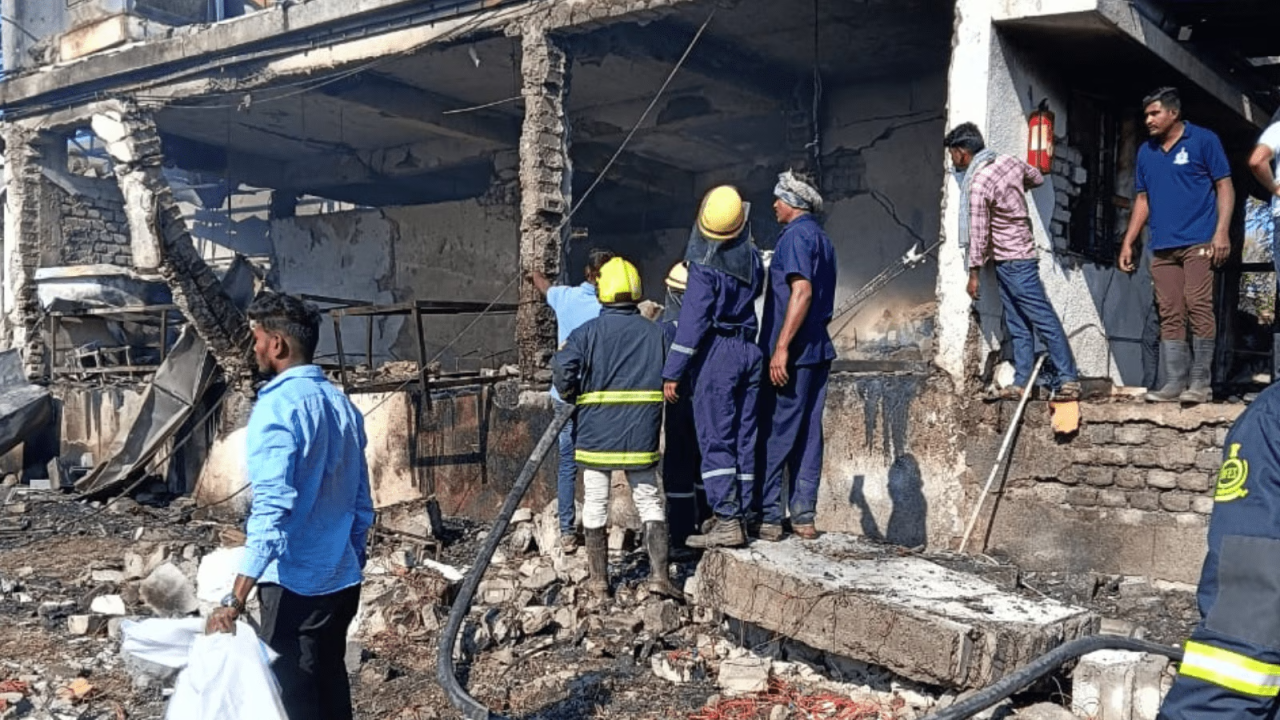

The Nagpur Katol incident has brought factory safety concerns in industrial towns back into focus, highlighting gaps in compliance, worker protection, and emergency response systems. Authorities are reviewing safety practices as similar risks exist across multiple Tier-2 industrial clusters.
The Nagpur Katol incident is being treated as a time sensitive development, with early reports pointing to safety lapses and operational risks in smaller industrial setups. Such incidents underline the urgent need for stricter enforcement of factory safety norms in growing industrial regions.
What Happened in the Nagpur Katol Incident
The Nagpur Katol incident involved a reported factory level accident in the Katol industrial belt near Nagpur, drawing attention from local authorities and labor departments. Initial information indicates that the incident may be linked to inadequate safety protocols or equipment handling issues, though detailed investigation findings are awaited.
Industrial zones in and around Nagpur have seen rapid expansion in recent years, especially in agro processing, manufacturing, and small scale production units. This growth has not always been matched with equal investment in safety infrastructure.
Officials have initiated inspections in nearby factories to assess compliance with existing safety regulations. The incident has also triggered discussions around accountability and enforcement gaps at the local level.
Factory Safety Compliance in Tier-2 Industrial Areas
Factory safety India regulations are governed by frameworks like the Factories Act, which mandates standards for worker safety, machinery handling, and hazardous processes. However, enforcement varies significantly between metro cities and smaller industrial towns.
In Tier-2 areas such as Nagpur, Katol, and surrounding districts, many factories operate on tight margins. This often leads to compromises in safety investments, including outdated equipment, lack of training, and insufficient protective gear.
Regular audits are required by law, but compliance checks can be inconsistent due to limited resources and oversight challenges. As a result, safety becomes reactive rather than preventive.
The Nagpur Katol incident highlights how gaps in routine inspections and safety audits can increase risk for workers.
Worker Safety and Training Gaps in Local Industries
Worker safety industrial India remains a critical concern, especially in smaller factories where formal training programs are limited. Many workers are employed on a contractual or informal basis, reducing access to structured safety education.
Basic practices such as emergency drills, hazard identification, and proper use of protective equipment are often overlooked. In high risk sectors like chemical processing or heavy machinery, this can lead to serious accidents.
For example, improper handling of machinery or lack of awareness about safety protocols can escalate minor issues into major incidents. In many cases, workers rely on on the job learning rather than formal training.
Strengthening worker awareness and mandatory training programs is essential to reduce such risks.
Role of Local Authorities and Safety Enforcement
Industrial safety enforcement India depends heavily on state and local authorities. Labor departments are responsible for inspections, certifications, and ensuring compliance with safety standards.
Following the Nagpur Katol incident, local authorities have reportedly increased scrutiny of factories in the region. Surprise inspections and compliance reviews are expected to continue in the short term.
However, long term improvement requires systematic changes. This includes digitized compliance tracking, stricter penalties for violations, and better coordination between regulatory bodies.
Without consistent enforcement, safety measures tend to weaken over time, especially in rapidly growing industrial clusters.
Impact on Industrial Growth in Nagpur Region
The Nagpur region has been positioning itself as an emerging industrial hub due to its strategic location and connectivity. Incidents like this can affect investor confidence if safety concerns are not addressed promptly.
Businesses looking to expand or invest in Tier-2 cities often evaluate regulatory stability and operational risks. Repeated safety incidents can raise concerns about compliance standards and workforce safety.
At the same time, such incidents also push industries and authorities to improve systems. Enhanced safety standards can strengthen long term industrial growth and attract responsible investment.
Balancing growth with safety compliance is now a key challenge for regional industrial development.
What Needs to Change After the Incident
The Nagpur Katol incident serves as a reminder that safety cannot be treated as a secondary priority. Industrial growth must be supported by strong safety frameworks and accountability mechanisms.
Factories need to invest in:
Modern safety equipment and infrastructure
Regular employee training programs
Clear emergency response systems
Authorities need to ensure:
Consistent inspections and audits
Strict action against violations
Transparency in reporting incidents
A combined effort from both industry and regulators is required to prevent similar incidents in the future.
Takeaways
The Nagpur Katol incident highlights gaps in factory safety compliance in Tier-2 towns
Worker training and awareness remain weak in many small scale industries
Stronger enforcement and regular inspections are critical for prevention
Balancing industrial growth with safety standards is essential for long term stability
FAQs
What is the Nagpur Katol incident about?
It refers to a recent factory related accident in the Katol industrial area near Nagpur, currently under investigation.
Why are factory safety issues common in Tier-2 cities?
Limited enforcement, cost constraints, and lack of training contribute to safety gaps in smaller industrial regions.
What laws regulate factory safety in India?
The Factories Act and related state regulations govern safety standards in industrial units.
What steps can prevent such incidents in the future?
Regular audits, worker training, better equipment, and strict enforcement can reduce risks significantly.