
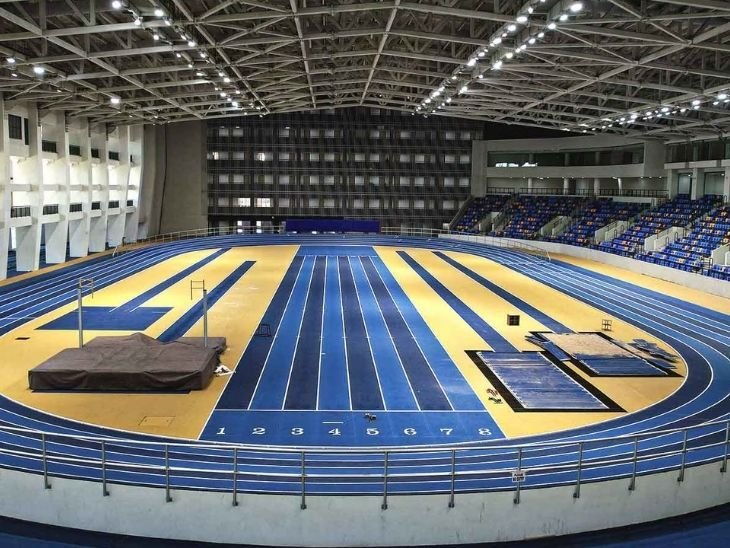

Bhubaneswar’s selection for a global athletics event marks a significant moment for Tier-2 sports infrastructure in India. The development highlights how non metro cities are emerging as capable hosts for international competitions with upgraded facilities and government backing.
Bhubaneswar global athletics event news reflects a broader shift in India’s sports ecosystem, where cities beyond traditional hubs are being trusted with major international events. This move signals growing confidence in regional infrastructure and administrative capacity.
Why Bhubaneswar Was Chosen for the Global Athletics Event
The Bhubaneswar global athletics event selection is not an isolated decision. The city has built a strong reputation over the past decade by successfully hosting international hockey tournaments and national level competitions.
Odisha’s government has consistently invested in sports infrastructure, particularly through projects like the Kalinga Stadium complex. These facilities meet international standards, including track quality, athlete accommodation, and spectator management systems.
Additionally, Bhubaneswar offers logistical advantages such as improved connectivity, organized urban planning, and administrative efficiency. These factors make it a reliable host compared to overcrowded metro cities.
This selection indicates that performance and preparedness are now outweighing location when choosing host cities.
Impact on Tier-2 Sports Infrastructure in India
Tier-2 sports infrastructure India is receiving increased attention due to such global event allocations. Hosting international competitions requires upgrades in stadiums, training facilities, transport systems, and security protocols.
Cities like Bhubaneswar are becoming benchmarks for how regional centers can develop world class sports ecosystems. This includes not just venues but also athlete support systems such as physiotherapy units, recovery centers, and training academies.
The ripple effect is significant. Nearby cities and states often adopt similar development models to attract future events. This leads to a broader expansion of sports infrastructure across regions that were previously overlooked.
Such developments also improve access for local athletes who no longer need to relocate to metro cities for better facilities.
Government Strategy Behind Expanding Sports Beyond Metros
Sports development India strategy has increasingly focused on decentralization. Both central and state governments are encouraging the growth of sports infrastructure in Tier-2 and Tier-3 cities.
Odisha has been one of the most active states in this approach, positioning itself as a sports hub. Long term partnerships, consistent funding, and event hosting experience have helped build credibility.
National level policies are also supporting this shift by allocating funds for regional sports development and promoting grassroots programs. The aim is to create a wider talent pool and reduce dependence on a few urban centers.
This strategy aligns with India’s ambition to improve its global sporting performance by strengthening infrastructure at multiple levels.
Economic and Local Impact of Hosting Global Events
The Bhubaneswar global athletics event is expected to generate economic activity across multiple sectors. Hospitality, transport, tourism, and local businesses typically benefit from increased footfall during such events.
Hotels, restaurants, and local vendors see a surge in demand, while infrastructure projects create employment opportunities. This short term boost often translates into long term benefits through improved city branding.
For Tier-2 cities, hosting global events enhances visibility on the international stage. This can attract future investments, both in sports and other sectors.
The multiplier effect of such events goes beyond sports, contributing to overall urban development.
Opportunities for Athletes and Local Talent Development
One of the most important outcomes of the Bhubaneswar global athletics event is its impact on athlete development. Access to international standard facilities allows local athletes to train in better conditions.
Exposure to global competitions also helps athletes understand performance benchmarks and improve their skills. Coaching standards often improve as international expertise is introduced during such events.
Schools and local sports academies benefit from upgraded infrastructure and increased interest among youth. This creates a stronger pipeline of talent from regions that previously lacked visibility.
Over time, this can contribute to better representation of athletes from Tier-2 cities in national and international competitions.
Challenges That Still Need Attention
Despite progress, Tier-2 sports infrastructure India still faces challenges. Maintenance of facilities, consistent funding, and long term utilization remain key concerns.
Hosting an event requires significant investment, but sustaining those facilities afterward is equally important. Without proper planning, infrastructure can become underutilized.
There is also a need for better talent scouting, coaching quality, and integration with national sports programs. Infrastructure alone is not enough to drive performance.
Addressing these challenges will determine whether the current momentum leads to lasting change.
Takeaways
Bhubaneswar’s selection highlights growing trust in Tier-2 sports infrastructure
Government investment and planning are driving regional sports development
Global events boost local economies and city visibility
Sustained focus is needed to maintain and utilize new infrastructure
FAQs
Why was Bhubaneswar chosen for a global athletics event?
The city has strong infrastructure, successful hosting experience, and consistent government support.
How does this impact Tier-2 cities in India?
It encourages development of sports infrastructure and increases opportunities for local athletes.
Will this improve India’s sports performance globally?
Better infrastructure and wider talent access can contribute to improved performance over time.
What challenges remain for Tier-2 sports development?
Maintenance, funding, and effective utilization of infrastructure are key challenges.