
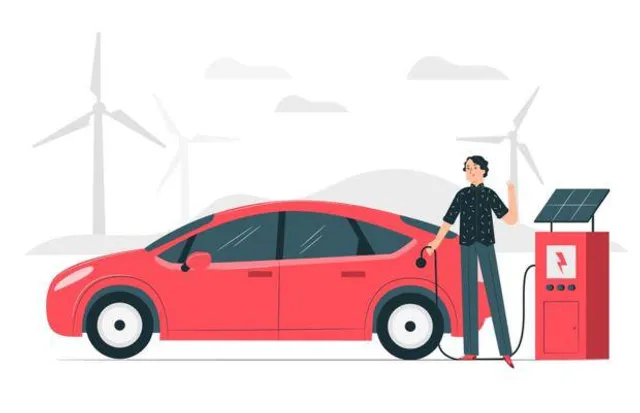

Madhya Pradesh has introduced a new EV policy focused on accelerating electric vehicle adoption in small cities. The policy offers subsidies, infrastructure support, and incentives aimed at reducing costs and boosting clean mobility across Tier-2 and Tier-3 regions.
Overview of Madhya Pradesh EV Policy 2026
The Madhya Pradesh EV policy for small cities is a state-level initiative designed to increase electric vehicle penetration beyond major urban centers. The policy builds on India’s broader push for electric mobility and aligns with national goals to reduce fuel dependency and emissions.
Announced by the Government of Madhya Pradesh, the policy focuses on affordability, infrastructure expansion, and private sector participation. Unlike earlier policies that concentrated on metro areas, this version explicitly targets smaller cities like Indore outskirts, Gwalior, Jabalpur, and Bhopal’s peripheral zones.
The state aims to increase the share of electric two-wheelers, three-wheelers, and commercial vehicles over the next few years. These segments are more relevant for daily commuting and local business use in smaller cities.
Key Subsidies and Financial Incentives Explained
One of the core elements of the policy is direct financial support to buyers. Subsidies are expected to reduce the upfront cost of EVs, making them competitive with petrol and diesel vehicles.
Incentives are likely structured based on battery capacity for two-wheelers and three-wheelers, which are the most widely used vehicles in Tier-2 regions. Additional benefits may include registration fee waivers and road tax exemptions.
The policy also supports fleet operators and small businesses shifting to electric vehicles. This is particularly important for delivery services and local transport operators.
These incentives complement central schemes such as FAME India Scheme, creating a combined benefit structure for consumers.
Focus on Charging Infrastructure in Tier-2 Cities
Infrastructure remains a key barrier to EV adoption in smaller cities. The policy addresses this by promoting the installation of public charging stations in urban and semi-urban areas.
Private players are encouraged to set up charging points through incentives and simplified approvals. This includes locations such as parking areas, fuel stations, and commercial complexes.
The role of Madhya Pradesh Power Management Company Limited becomes critical in ensuring reliable electricity supply and grid support for these stations.
Improved charging access reduces range anxiety, which is one of the main concerns among first-time EV buyers in smaller towns.
Impact on Local Economy and Job Creation
The EV policy is expected to generate economic activity at multiple levels. New businesses related to charging infrastructure, maintenance services, and EV dealerships are likely to emerge.
Small entrepreneurs can benefit by setting up charging stations or operating electric auto rickshaws. This creates employment opportunities in areas where traditional job options are limited.
Local manufacturing and assembly units may also see growth if demand increases. This aligns with India’s broader push for domestic production in the EV sector.
For cities like Bhopal and Indore, the policy could strengthen their position as regional hubs for clean mobility solutions.
Adoption Challenges in Smaller Cities
Despite incentives, adoption may face challenges. Awareness about EV benefits remains limited in many Tier-3 areas. Consumers often hesitate due to concerns about battery life, resale value, and maintenance costs.
Initial infrastructure rollout may be uneven, with some areas gaining access faster than others. Financing options for EVs are also still evolving, especially for low-income buyers.
To address these issues, the state may need to run awareness campaigns and partner with financial institutions to offer affordable loan options.
Long Term Environmental and Mobility Benefits
The policy contributes to reducing air pollution and fuel consumption in smaller cities, where public transport systems are often limited. Electric vehicles offer a cleaner alternative for daily commuting.
Over time, increased EV adoption can reduce dependence on fossil fuels and stabilize transportation costs for users. This is particularly relevant in regions where fuel prices impact household budgets significantly.
The policy also supports India’s broader climate commitments by promoting sustainable transport solutions across all regions, not just major urban centers.
Takeaways
– Madhya Pradesh EV policy focuses on Tier-2 and Tier-3 city adoption
– Subsidies and tax benefits aim to reduce upfront vehicle costs
– Charging infrastructure expansion is a key priority
– Policy can drive local jobs and cleaner mobility solutions
FAQs
Q1. Who can benefit from the Madhya Pradesh EV policy?
Individual buyers, fleet operators, and small businesses in the state can benefit from subsidies and incentives.
Q2. What types of vehicles are covered under the policy?
Electric two-wheelers, three-wheelers, and certain commercial vehicles are the main focus.
Q3. Are charging stations included in the policy?
Yes, the policy promotes setting up public and private charging infrastructure.
Q4. How does this policy impact small cities?
It makes EVs more affordable and accessible, encouraging adoption in non-metro areas.