
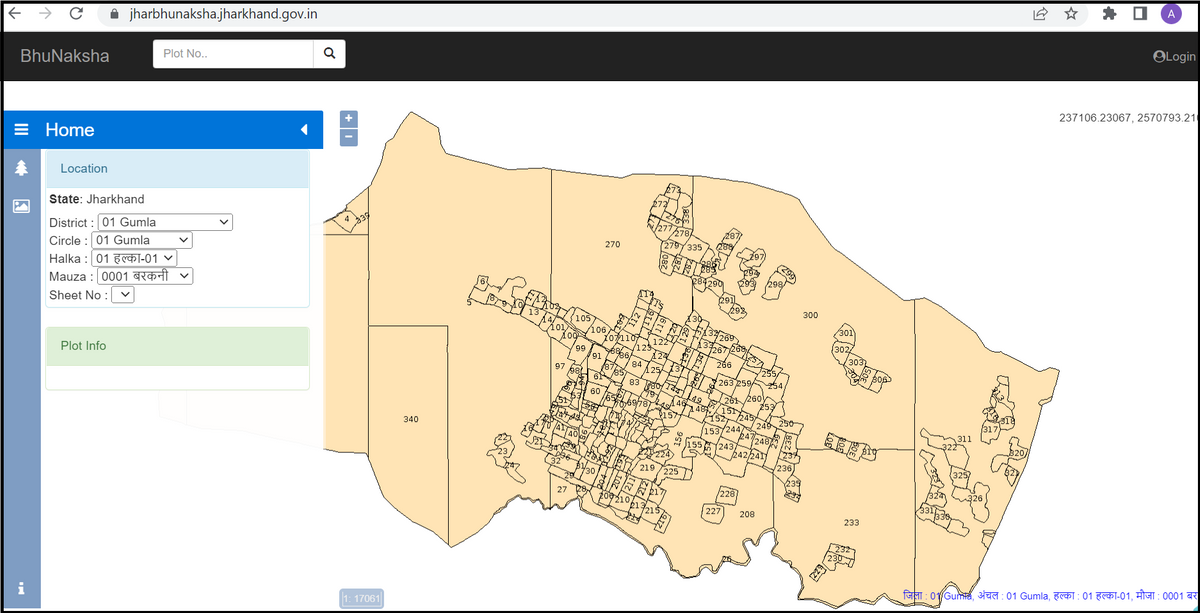

The rise in Bihar and Jharkhand digital land record updates reflects a major push toward digitization of property data. This shift aims to improve transparency, reduce disputes, and make land ownership verification easier for residents across both states.
Why Digital Land Record Updates Are Increasing Now
The Bihar and Jharkhand digital land record updates surge is part of ongoing efforts to modernize land administration systems. Both states have been digitizing records under national initiatives like the Digital India Land Records Modernization Programme.
Departments such as Department of Revenue and Land Reforms Bihar and Department of Revenue, Registration and Land Reforms Jharkhand are actively updating legacy records, many of which were previously maintained manually.
Recent drives have focused on correcting ownership details, updating mutation records, and linking land data with Aadhaar and other identification systems. This has led to a noticeable increase in online record updates and citizen queries.
The push is also driven by rising land transactions and the need for accurate documentation in semi-urban and rural areas.
What Residents Need to Check in Their Land Records
With increased updates, residents are advised to verify their land details carefully. Errors in digital records can lead to complications in future transactions.
Key details to check include ownership name, plot number, land classification, and area measurement. Mutation status is particularly important, as it confirms transfer of ownership after sale or inheritance.
Many states now offer online portals where users can access records such as Jamabandi, Khasra, or Khata details. These systems reduce dependency on local offices but require users to actively verify their data.
Residents should also ensure that their Aadhaar and mobile numbers are correctly linked, as this is increasingly required for authentication.
Benefits of Digital Land Records for Small Town Residents
Digitization brings several advantages, especially for people in Tier-2 and rural regions. Access to land records online reduces the need for repeated visits to government offices.
It also minimizes the role of intermediaries, lowering the chances of fraud or misinformation. Transparent records make property transactions faster and more reliable.
For farmers, updated land records are essential for accessing loans, subsidies, and government schemes. Banks often require verified digital records before approving agricultural credit.
In small towns, where land disputes are common, clear documentation helps in resolving conflicts more efficiently.
Common Issues During Record Updates and Corrections
Despite the benefits, the transition to digital records is not without challenges. Many residents are reporting discrepancies such as incorrect names, missing entries, or outdated ownership details.
These issues often arise due to errors during data entry or incomplete legacy records. In some cases, multiple claims on the same property may surface during digitization.
To address such problems, residents need to file correction requests through official portals or local land offices. This process may require supporting documents such as sale deeds, inheritance papers, or court orders.
Delays in correction can affect property sales or loan approvals, making timely verification important.
Government Push for Transparency and Efficiency
The digitization drive is part of a broader effort to improve governance and reduce corruption in land administration. By creating a centralized database, authorities aim to make records easily accessible and tamper-proof.
Integration with other systems such as registration and taxation is also underway. This allows seamless tracking of property transactions and ownership changes.
Both Bihar and Jharkhand are gradually moving toward fully online processes for mutation and registration, reducing manual intervention.
These reforms are expected to bring long-term improvements in land management and public trust.
What Residents Should Do Next
Residents should not wait for issues to arise before checking their records. Regular verification through official portals can help identify and fix errors early.
Keeping all property-related documents updated and organized is equally important. This includes sale deeds, tax receipts, and mutation certificates.
For those unfamiliar with online systems, local service centers or Common Service Centres can assist in accessing and updating records.
Being proactive can prevent legal complications and ensure smooth property transactions in the future.
Takeaways
– Digital land record updates are increasing in Bihar and Jharkhand due to modernization efforts
– Residents should verify ownership, mutation, and land details regularly
– Digitization improves transparency and reduces dependency on intermediaries
– Timely correction of errors is crucial to avoid legal and financial issues
FAQs
Q1. How can I check my land records online in Bihar or Jharkhand?
You can visit the official state land record portals and search using details like plot number or owner name.
Q2. What should I do if there is an error in my land record?
You need to file a correction request with supporting documents through the portal or local office.
Q3. Are digital land records legally valid?
Yes, they are recognized for most transactions, but original documents may still be required for verification.
Q4. Why is Aadhaar linking important for land records?
It helps in authentication and reduces the chances of fraudulent ownership claims.