
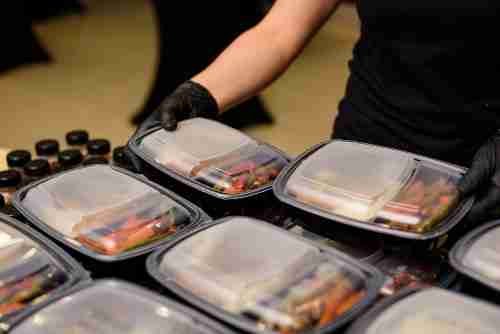

Starting a home-based tiffin service in Tier-2 cities is one of the most practical low-investment business ideas in India today. With rising demand from students, office workers, and migrants, this model offers steady income with minimal setup and scalable growth potential.
A home-based tiffin service works especially well in cities like Nagpur, Indore, and Surat where working professionals and students often rely on affordable home-cooked meals. The business is evergreen in nature, driven by daily consumption needs rather than trends, making it a stable income option.
Understanding Demand in Tier-2 Cities and Target Customers
Before launching a tiffin service business, understanding local demand is critical. In Tier-2 cities, the primary customers include college students, bachelors living away from home, and office employees working long hours.
Unlike metro cities, customers in smaller cities prefer simple, affordable, and consistent meals over premium offerings. Pricing sensitivity is higher, so a balance between cost and quality is essential.
Focus on areas near hostels, coaching centers, hospitals, and industrial zones. These locations generate repeat demand, which is the backbone of a successful tiffin service. Conducting a basic survey in your locality can help identify gaps in existing services.
Low Investment Setup for Home-Based Tiffin Business
Starting a low investment tiffin service does not require a commercial kitchen. Most businesses begin from a home kitchen with basic utensils already available.
Initial costs typically include raw materials, packaging containers, gas or induction usage, and local delivery arrangements. You can start with an investment as low as ₹5,000 to ₹15,000 depending on scale.
Reusable steel tiffins or disposable food-grade containers can be used based on your pricing model. Many operators in smaller cities prefer monthly subscription models to ensure predictable revenue.
Keeping fixed costs low is key. Avoid unnecessary expenses like branding or advertising in the initial phase. Focus on quality and consistency first.
Step-by-Step Process to Launch Your Tiffin Service
Starting a tiffin service requires a structured approach to ensure smooth operations from day one.
Step 1: Finalize your menu based on local preferences such as roti, sabzi, dal, rice
Step 2: Decide pricing per meal and monthly packages
Step 3: Set a fixed cooking and delivery schedule
Step 4: Start with a small batch of 10 to 20 customers
Step 5: Arrange delivery through self or local helpers
Step 6: Collect feedback and refine your service
Consistency in taste and timely delivery matter more than variety in the early stages. A simple, well-executed menu builds trust faster than a complex one.
Licenses, Food Safety and Basic Compliance
While many small tiffin services operate informally, it is advisable to obtain basic registration under Food Safety and Standards Authority of India as your business grows.
FSSAI registration is affordable and builds credibility with customers. It also becomes important if you plan to scale or partner with offices and institutions.
Maintaining hygiene standards is non-negotiable. Clean cooking practices, safe storage, and proper packaging directly impact customer retention. Word of mouth travels quickly in smaller cities, so quality control is critical.
Marketing Strategies That Work in Small Cities
Traditional digital ads are not always effective in Tier-2 markets. Instead, focus on hyperlocal marketing strategies that drive trust.
WhatsApp groups, local Facebook communities, and referrals are powerful tools. Offering a free trial meal can convert potential customers quickly.
Tie-ups with hostels, PG accommodations, and small offices can bring bulk orders. Simple printed flyers in residential areas still work well in smaller cities.
Consistency and reliability often outperform aggressive marketing. A satisfied customer base becomes your strongest growth channel.
Scaling and Increasing Profit Margins
Once you achieve a stable customer base, scaling becomes easier. You can increase capacity by hiring helpers or expanding your kitchen operations.
Introducing add-ons like breakfast, snacks, or weekend special meals can increase average order value. Subscription models with weekly or monthly payments ensure steady cash flow.
Cost control is important to maintain margins. Bulk purchasing of raw materials and efficient portion control can improve profitability without increasing prices.
Many successful tiffin services in Tier-2 cities grow into full-scale cloud kitchens over time, but the foundation always starts with consistent service.
Takeaways
• Tiffin service is a low-investment, high-demand business in Tier-2 cities
• Start small with a simple menu and focus on consistency and taste
• Use local networks and referrals instead of heavy advertising
• Scaling becomes easier once you build a loyal customer base
FAQs
Q1. How much investment is required to start a tiffin service?
You can start with as low as ₹5,000 to ₹15,000 using your home kitchen.
Q2. Do I need a license to run a tiffin service?
FSSAI registration is recommended as your business grows, though many start informally.
Q3. How can I get my first customers?
Start with neighbors, local groups, and offer trial meals to build trust.
Q4. Is tiffin service profitable in small cities?
Yes, due to consistent demand and low operating costs, it can generate steady income.