
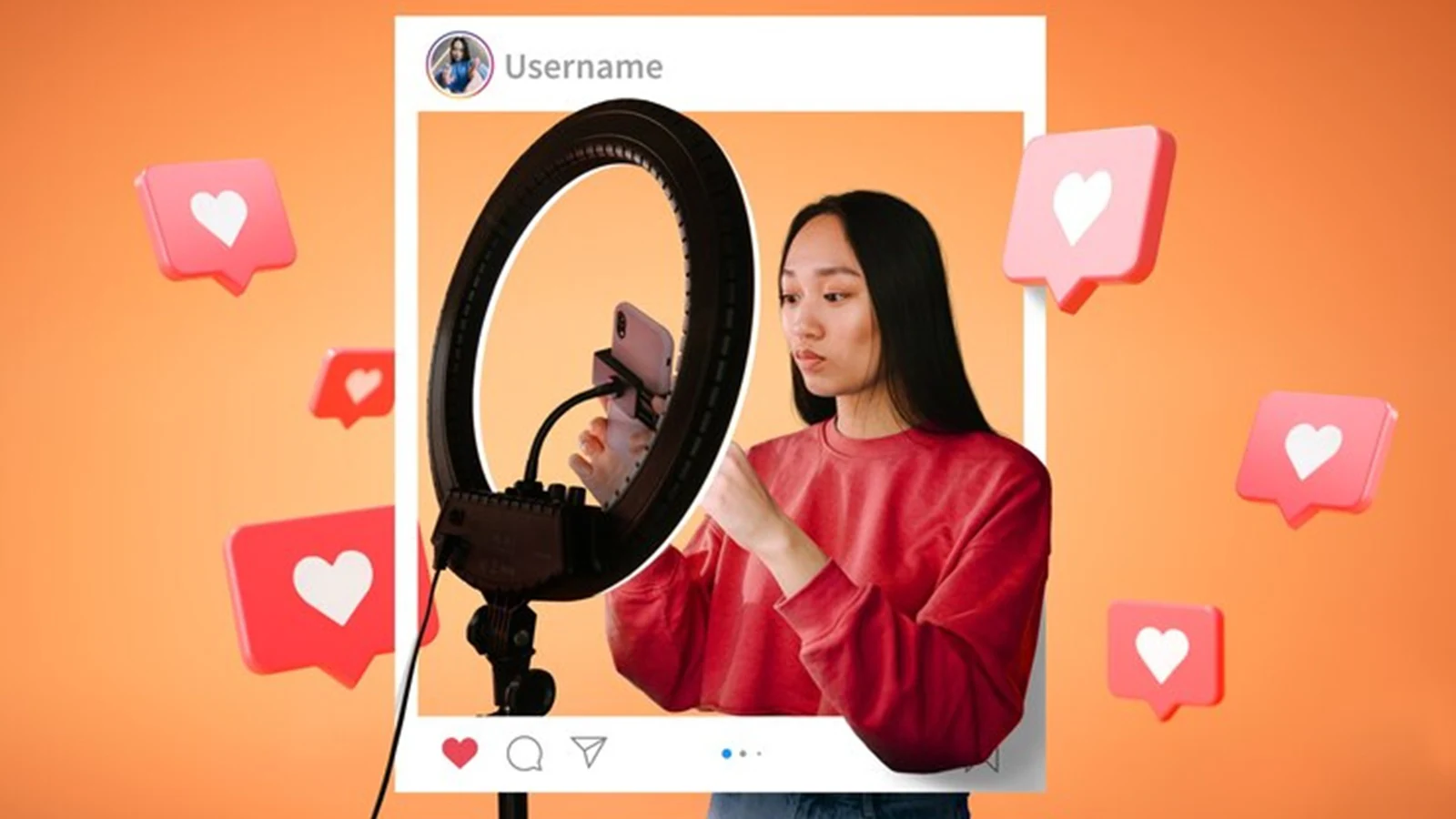

The Instagram Salary vs Reality trend is going viral across India, with users exposing the gap between income and actual lifestyle. The relatable format is striking a chord with Gen Z, especially in Tier-2 and Tier-3 cities.
The Instagram Salary vs Reality trend is currently dominating short-form content on Instagram, with thousands of reels highlighting how salaries often fail to match real-life expenses. From metro cities to smaller towns, the format is gaining traction for its honesty and humor.
What Is the Salary vs Reality Trend?
The Salary vs Reality trend typically shows two contrasting clips. The first presents an idealized version of life based on salary expectations, while the second reveals the actual situation after rent, bills, EMIs, and daily expenses.
Creators often use trending audio and captions like “Expectation vs Reality” or “Salary credited vs Salary left after 10 days.” This simple storytelling format has made the trend highly replicable and scalable.
The trend is not limited to influencers. College students, first-job professionals, and even small business owners are participating, making it one of the most democratic viral formats currently circulating.
Why Gen Z Is Driving This Viral Reel Trend
Gen Z audiences are responding strongly because the content reflects their lived experience. Rising costs in cities like Pune, Bengaluru, and Mumbai are making it harder for young earners to save or spend freely.
Unlike aspirational content that dominated earlier social media phases, this trend leans into realism. It exposes financial stress, peer pressure, and lifestyle compromises without sounding preachy.
Another key factor is relatability. A user earning ₹25,000 in Nagpur or ₹40,000 in Hyderabad sees similar patterns of spending. Rent, subscriptions, food delivery, and transport eat into income quickly, making the “reality” part instantly recognizable.
Role of Short-Form Content Algorithms
The success of this trend is also algorithm-driven. Platforms like Instagram prioritize content with high watch time and engagement. Since these reels are short, punchy, and emotionally resonant, they tend to get repeated views and shares.
Humor plays a critical role. Even though the underlying message is serious, creators package it with memes, expressions, and dramatic cuts. This increases shareability across WhatsApp and other social platforms.
The trend is also benefiting from remix culture. Users are recreating popular formats with their own salary brackets, professions, or cities, which keeps the trend fresh and evolving.
Tier-2 and Tier-3 India Amplifying the Trend
One notable shift is the strong participation from Tier-2 and Tier-3 audiences. Earlier, viral trends were dominated by metro creators. Now, smaller cities are contributing significantly.
This is driven by increased smartphone penetration, affordable data, and growing awareness of digital content creation. Local languages and regional humor are also adding new layers to the trend.
For example, creators from cities like Indore, Nagpur, and Lucknow are adapting the trend to reflect local cost structures and lifestyle expectations. This localization is helping the trend sustain longer than typical viral formats.
Financial Awareness Hidden Behind Humor
While the trend appears comedic, it indirectly highlights important financial realities. It brings attention to budgeting challenges, rising inflation, and the pressure to maintain a certain lifestyle.
Many creators are now extending the trend by adding tips or captions about saving, investing, or cutting unnecessary expenses. This evolution shows how viral content can shift from entertainment to awareness.
For brands and marketers, this also signals a shift in audience mindset. Users are no longer only consuming aspirational luxury content. They are engaging more with authenticity and transparency.
Takeaways
• The Salary vs Reality trend is resonating due to its raw and relatable storytelling format
• Gen Z is driving the trend by sharing real financial struggles and lifestyle gaps
• Tier-2 and Tier-3 creators are playing a major role in scaling the trend nationally
• The trend reflects a larger shift toward authenticity over aspirational content
FAQs
Q1. What is the Instagram Salary vs Reality trend?
It is a viral reel format where users compare expected lifestyle based on salary with actual financial reality after expenses.
Q2. Why is this trend popular among Gen Z?
Gen Z relates to the financial pressure shown in these videos, especially due to rising living costs and limited savings.
Q3. Is this trend limited to metro cities?
No, it is widely adopted across Tier-2 and Tier-3 cities, making it more relatable across India.
Q4. Does the trend have any deeper impact?
Yes, beyond humor, it highlights financial awareness, budgeting challenges, and changing social media content preferences.