

India’s cloud kitchen market is growing rapidly in 2026, especially in Tier-2 cities where food delivery demand is increasing through platforms like Zomato and Swiggy. For many aspiring entrepreneurs, starting a home-based cloud kitchen has become one of the lowest-investment food business ideas with scalable earning potential.
Why Tier-2 Cities Are Becoming Ideal for Cloud Kitchens
The cloud kitchen business model works differently from traditional restaurants. There is no dine-in setup, expensive interiors, or high rental investment. The entire operation focuses on preparing food for online delivery.
In 2026, cities like Nagpur, Indore, Nashik, Surat, Lucknow, Coimbatore, and Jaipur are witnessing a steady rise in online food orders. Affordable internet access, UPI payments, and quick delivery networks have changed eating habits in smaller Indian cities.
One major advantage in Tier-2 cities is lower operational cost. Rent, staff salaries, and kitchen setup expenses are significantly lower compared to metro cities like Mumbai or Bengaluru. At the same time, competition is still manageable in many local markets.
Consumers are also showing growing interest in regional meals, homemade food, healthy tiffins, and late-night snacks. This creates opportunities for specialized cloud kitchen concepts instead of generic restaurant menus.
Choosing the Right Food Niche for Your Local Market
Before starting a cloud kitchen, selecting the right niche is more important than having a large menu. Many successful home kitchens focus on one strong category instead of offering everything.
In Tier-2 Indian cities, some of the fastest-growing cloud kitchen categories include:
- Homemade thalis and lunch boxes
- Regional cuisines like Maharashtrian, South Indian, or Rajasthani meals
- Healthy diet meals and protein bowls
- Tea, coffee, and snack combinations
- Biryani and rice bowl concepts
- Evening fast-food items like momos, sandwiches, and rolls
Understanding local demand is critical. For example, office areas may have demand for affordable lunch subscriptions, while student-heavy areas may prefer budget snacks and combo meals.
Food pricing also matters. In smaller cities, customers are price-sensitive. Instead of premium pricing, successful cloud kitchens usually focus on value-for-money meals with consistent quality.
Licenses and Registrations Required in 2026
Even a home-based cloud kitchen requires proper legal registration. Food businesses operating through delivery apps must comply with Indian food safety rules.
The most important requirement is obtaining an Food Safety and Standards Authority of India registration or license. Small home kitchens with lower turnover can begin with basic FSSAI registration.
Other commonly required registrations may include:
- GST registration if turnover crosses the required threshold
- Trade license depending on local municipal rules
- Current bank account for business transactions
- Registration on food delivery platforms
Packaging quality is also becoming stricter in 2026. Customers now expect leak-proof containers, proper hygiene labeling, and eco-friendly packaging options.
Cloud kitchens with clear hygiene standards often receive better customer ratings and repeat orders on delivery platforms.
Setting Up the Kitchen Without Huge Investment
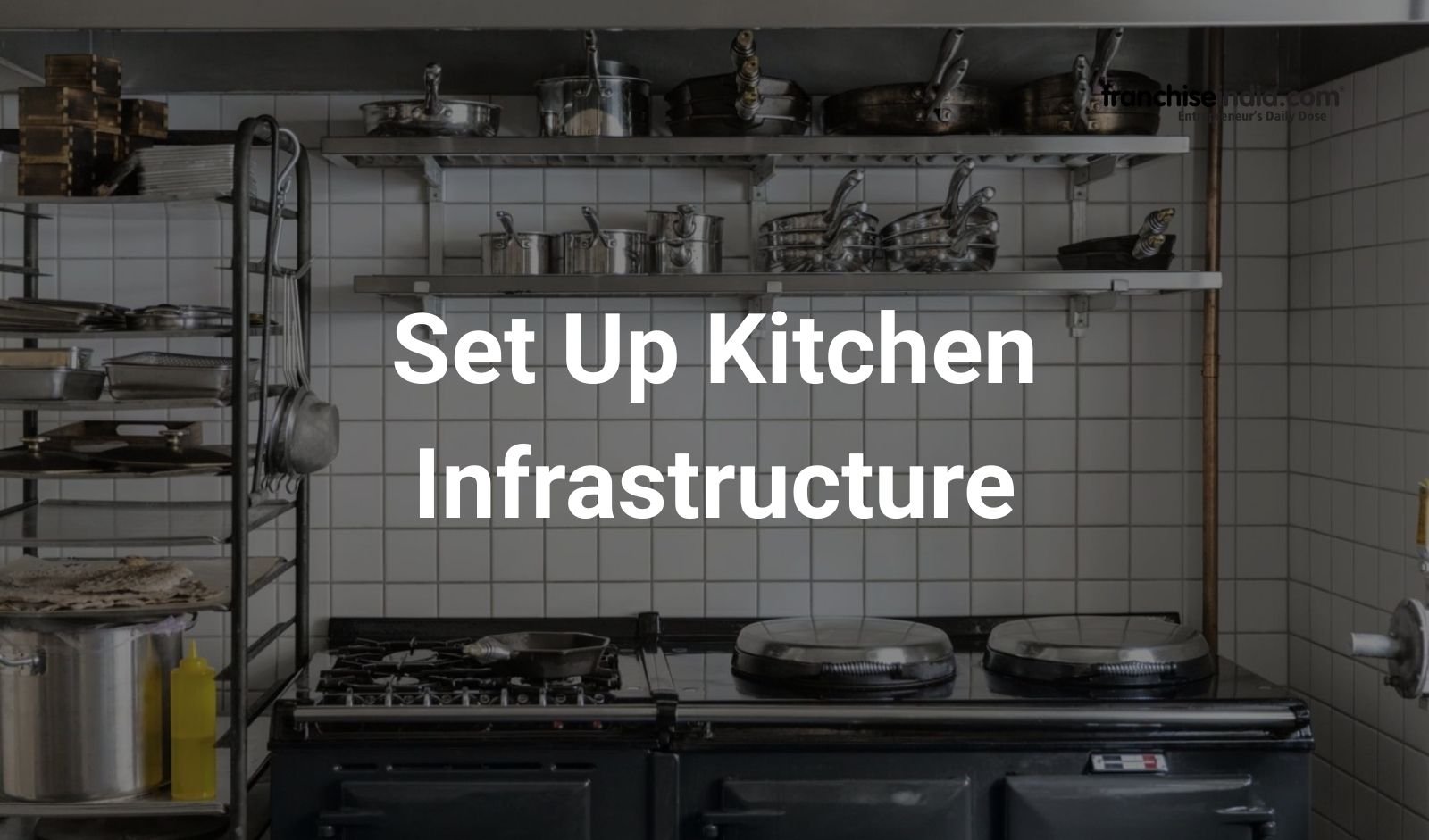
A home-based cloud kitchen can begin with limited investment if expenses are controlled carefully. Most first-time operators spend on equipment they may not immediately need.
Essential starting investments usually include:
- Commercial gas stove
- Refrigerator
- Food storage containers
- Mixer and preparation tools
- Packaging materials
- Delivery-friendly containers
Many entrepreneurs start within ₹50,000 to ₹2 lakh depending on the scale of operations.
One smart strategy in Tier-2 cities is beginning with a limited delivery radius. This reduces delivery delays and maintains food quality. Faster delivery often improves app ratings and customer retention.
Photography also plays a major role in online food sales. High-quality food images increase click-through rates on apps significantly. Even simple smartphone photography with good lighting can improve listing performance.
Using Swiggy, Zomato, and Instagram for Customer Growth
Food delivery apps remain the biggest traffic source for new cloud kitchens. However, relying only on apps can reduce profit margins because of commission charges.
Many successful home kitchens now combine delivery platforms with direct customer marketing through Instagram and WhatsApp.
Instagram Reels, local food influencer collaborations, and customer reviews help smaller kitchens gain visibility without large advertising budgets.
WhatsApp subscription meals are also becoming popular in Tier-2 cities. Customers often prefer directly ordering daily lunch or dinner plans through WhatsApp instead of apps.
Offering limited-time combos, festival specials, and referral discounts can help build repeat customers faster.
Challenges New Cloud Kitchen Owners Should Prepare For
While cloud kitchens appear easy to start, long-term success depends on consistency and operations management.
Common challenges include:
- Maintaining food quality during high order volume
- Managing negative customer reviews
- Rising packaging costs
- Delivery delays during peak hours
- Platform commission pressure
Many new businesses fail because they scale too quickly. Starting small and improving operations gradually is usually more sustainable.
Customer trust is especially important in smaller cities where word-of-mouth marketing spreads quickly. Hygiene issues or inconsistent taste can damage a brand rapidly.
Takeaways
- Tier-2 Indian cities offer lower costs and growing online food demand for cloud kitchens
- Choosing a focused food niche improves profitability and customer retention
- FSSAI registration and hygiene compliance are essential in 2026
- Instagram and WhatsApp marketing can reduce dependency on food delivery apps
FAQ
Is a cloud kitchen profitable in Tier-2 Indian cities?
Yes, cloud kitchens can become profitable if food quality, pricing, and delivery operations are managed properly. Lower operational costs in Tier-2 cities improve margins compared to metro cities.
How much investment is needed to start a home-based cloud kitchen?
Most small home-based cloud kitchens start with investments between ₹50,000 and ₹2 lakh depending on kitchen equipment, packaging, and branding requirements.
Do I need an FSSAI license for a home kitchen?
Yes, any food business selling commercially in India requires FSSAI registration or licensing based on turnover and operational scale.
Which food category performs best in cloud kitchens?
Regional meals, homemade thalis, biryani, healthy meals, and affordable snacks currently perform strongly in many Tier-2 Indian markets.