
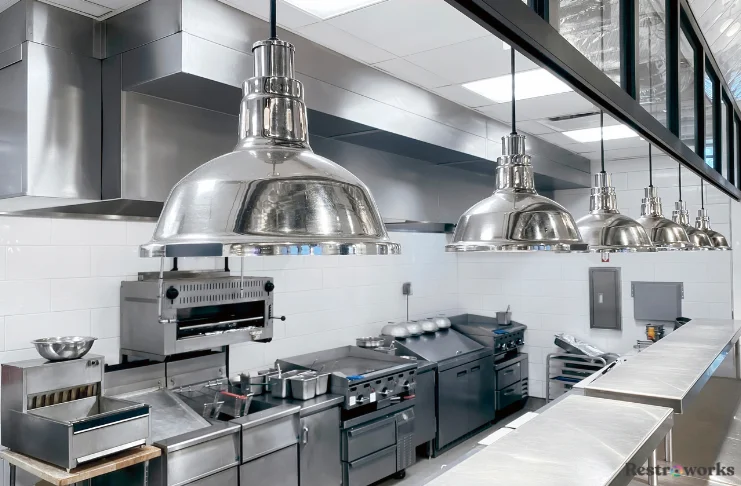

Starting a home-based cloud kitchen in Tier-2 cities has become one of the fastest-growing small business opportunities in India in 2026. Rising food delivery demand, lower rental costs, and increasing smartphone usage have made cities like Nagpur, Indore, Surat, Lucknow, and Kochi ideal markets for low-investment food businesses.
Why Cloud Kitchens Are Growing in Tier-2 India
The cloud kitchen business model works differently from traditional restaurants. A cloud kitchen focuses only on online food delivery without investing in dine-in space, expensive interiors, or high street commercial locations.
This model has become popular in Tier-2 cities because operational costs remain lower than metro cities. Rent, labor, and utility expenses are comparatively affordable, allowing small entrepreneurs to start from home kitchens.
Food delivery platforms such as Zomato and Swiggy have also expanded aggressively into smaller Indian cities over the past few years. Customers now regularly order homemade meals, snacks, regional dishes, and healthy food options through mobile apps.
Industry reports and startup trends show that regional cuisine, affordable meal combos, and late-night food services are performing especially well in non-metro areas.
Choosing the Right Food Category for Your Cloud Kitchen
Selecting the right menu is one of the most important decisions for a successful home-based cloud kitchen.
Instead of offering too many dishes, experts recommend focusing on one strong category initially. This helps maintain quality and reduces ingredient wastage.
Popular low-investment cloud kitchen ideas in Tier-2 cities include:
- Homemade thalis
- Tiffin services
- Biryani and rice bowls
- South Indian breakfast items
- Street food snacks
- Healthy meal boxes
- Tea and evening snacks
- Regional specialties
For example, a cloud kitchen in Nagpur may succeed with Saoji meals, while Indore-based kitchens may attract customers with poha, kachori, and local snack combinations.
Understanding local food habits is often more important than copying metro restaurant trends.
Licenses and Registrations Required in India
Even a home-based cloud kitchen requires basic legal approvals before operating commercially.
The most important registration is the FSSAI license issued by the Food Safety and Standards Authority of India. Small food businesses with limited turnover can usually apply for a basic registration online.
Additional requirements may include:
- GST registration if turnover crosses the applicable limit
- Trade license depending on local municipal rules
- Shop and establishment registration in some states
- Fire safety compliance for larger setups
Food delivery platforms also verify identity documents, kitchen photographs, and bank account details before onboarding sellers.
Maintaining hygiene standards is critical because customer reviews directly impact online visibility and repeat orders.
Estimated Investment Needed to Start
One major reason cloud kitchens are growing rapidly is the relatively low startup cost.
A small home-based setup in a Tier-2 city can often begin with an investment between ₹50,000 and ₹2 lakh depending on equipment and menu scale.
Basic expenses usually include:
- Cooking utensils and appliances
- Refrigerator or freezer
- Packaging materials
- Initial raw materials
- Food delivery app commissions
- Branding and menu photography
Entrepreneurs can reduce costs initially by using existing kitchen infrastructure at home instead of renting commercial property.
Digital marketing through Instagram, WhatsApp groups, and local Facebook communities can also help attract early customers without spending heavily on advertising.
How Food Delivery Apps Affect Profit Margins
While food delivery platforms help increase visibility, they also charge commissions that can affect profitability.
Many small cloud kitchen owners in India report commission charges ranging from 18 percent to 30 percent depending on agreements and promotions.
To manage margins effectively, operators often:
- Create combo meals
- Use limited ingredient menus
- Focus on repeat customers
- Encourage direct orders through WhatsApp
- Offer subscription meal plans
Packaging quality also matters significantly in online food businesses. Poor packaging may lead to negative reviews even if food quality is good.
Using leak-proof and eco-friendly containers has become a growing trend among urban consumers.
Marketing Strategies That Work in Smaller Cities
Tier-2 audiences often rely heavily on local recommendations and social media engagement.
Successful cloud kitchens usually build trust through:
- Local influencer collaborations
- Customer testimonials
- WhatsApp order groups
- Instagram reels showing food preparation
- Festival special menus
- Referral discounts
Unlike metro cities, customer loyalty tends to remain stronger in smaller cities when food quality stays consistent.
Many operators also partner with nearby offices, hostels, coaching centers, and residential societies for regular bulk orders.
Challenges New Cloud Kitchen Owners Should Know
Despite low investment requirements, cloud kitchens still face operational challenges.
Common problems include:
- High platform commissions
- Delivery delays
- Inconsistent demand
- Food spoilage
- Staffing issues during expansion
Competition has also increased rapidly in several cities. This means quality, hygiene, pricing, and customer service are now more important than simply listing on food apps.
Experts advise new entrepreneurs to start small, test demand, and scale gradually instead of spending heavily during the first few months.
Key Takeaways
- Home-based cloud kitchens require lower investment than traditional restaurants
- Tier-2 cities offer strong demand due to growing food delivery usage
- Focusing on local cuisine and limited menus improves profitability
- Marketing through Instagram and WhatsApp works effectively for smaller cities
FAQ
What is the minimum investment required for a home cloud kitchen?
Most small home-based cloud kitchens in Tier-2 cities can start between ₹50,000 and ₹2 lakh depending on equipment and food category.
Is FSSAI registration mandatory for cloud kitchens?
Yes, FSSAI registration is legally required for selling food commercially in India.
Which food items sell best in Tier-2 cities?
Affordable regional meals, snacks, biryani, breakfast items, and homemade tiffin services usually perform well.
Can cloud kitchens earn profit through Swiggy and Zomato?
Yes, but managing commissions, pricing, packaging, and repeat customers is important for maintaining healthy profit margins.