
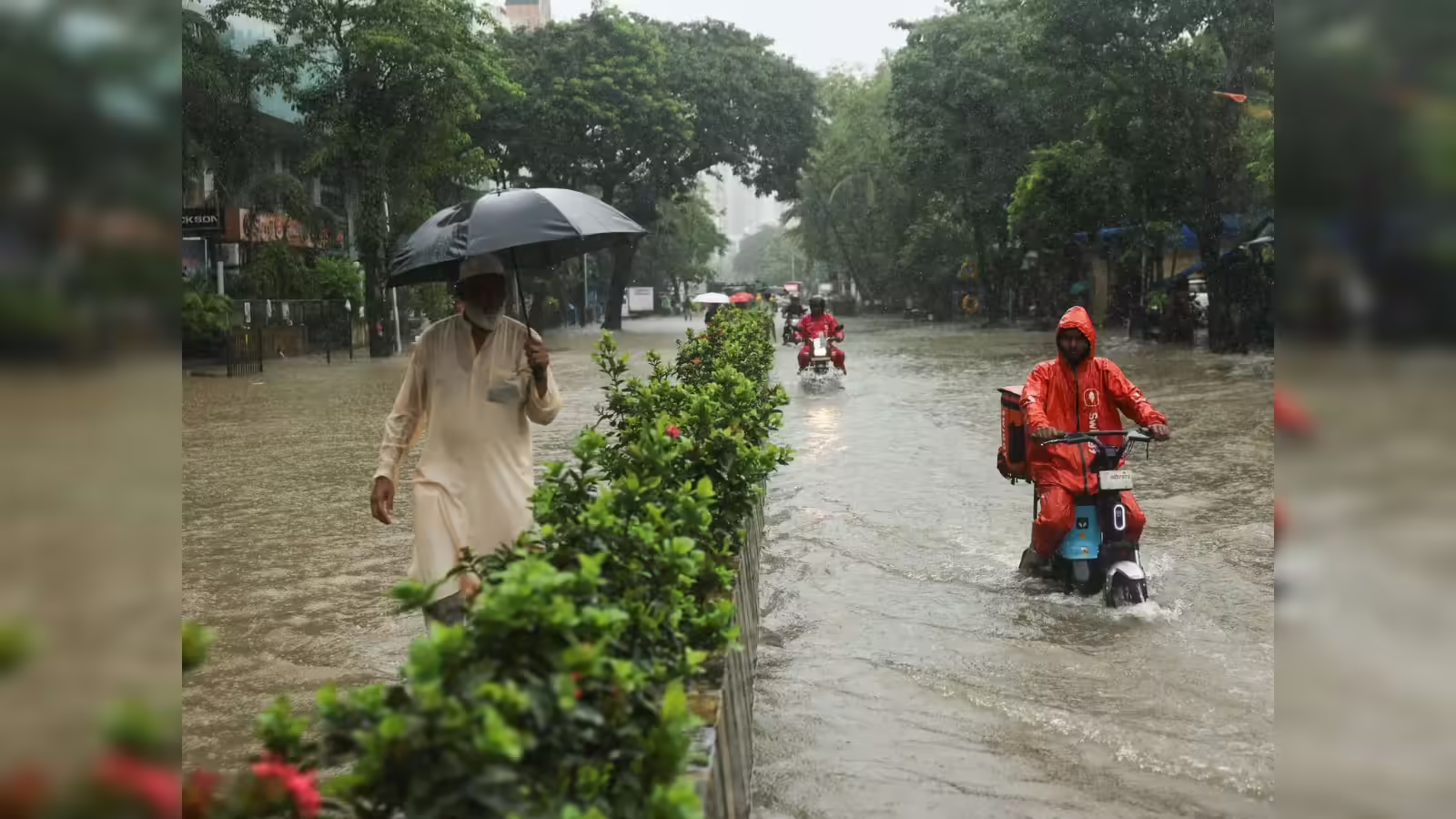

Summary: Heavy monsoon rains can disrupt daily life, damage property, and pose serious safety risks. Understanding IMD weather alerts and following practical precautions can help families, commuters, and local communities stay safe during periods of intense rainfall.
The topic is time-sensitive because it relates to the ongoing monsoon season and recent weather alerts issued across several Indian states. This article follows a news-informed yet educational style based on established guidance from the India Meteorological Department (IMD) and disaster management authorities.
The IMD heavy rain alert has become an important part of daily life during India’s monsoon season. Every year, the India Meteorological Department issues weather warnings to help people prepare for heavy rainfall, thunderstorms, flooding, and strong winds. For families, office workers, students, and daily commuters, understanding these alerts can reduce risks and prevent unnecessary travel during dangerous weather conditions.
Monsoon rains are essential for agriculture and water resources, but they also increase the chances of urban flooding, landslides in hilly regions, traffic congestion, and power outages. Knowing what each weather alert means and how to respond can make a significant difference.
Understanding IMD Weather Alerts and Warning Colours
The IMD uses a colour-coded warning system that helps people quickly understand the severity of expected weather conditions.
A Green alert means no significant weather threat is expected. Daily activities can continue as normal.
A Yellow alert asks people to stay aware. Moderate rainfall or localized weather disturbances may occur, so commuters should monitor updates before leaving home.
An Orange alert indicates that people should be prepared for potentially severe weather. Heavy rainfall may cause waterlogging, traffic disruptions, and local flooding. Schools, offices, and local administrations may issue advisories depending on regional conditions.
A Red alert is the highest level of warning. It signals extremely heavy rainfall or dangerous weather that could threaten life and property. Authorities may recommend avoiding travel except for emergencies, while rescue teams and disaster management agencies remain on high alert.
Understanding these warning colours helps families make informed decisions instead of reacting only after heavy rainfall begins.
Safety Tips for Families During Heavy Monsoon Rain
Families should prepare before heavy rainfall arrives instead of waiting until weather conditions worsen.
Keep emergency essentials ready, including drinking water, dry food, flashlights, power banks, essential medicines, batteries, and important documents stored in waterproof covers.
Residents living in flood-prone neighbourhoods should identify safer locations nearby and remain informed through official weather updates. During periods of intense rainfall, children should avoid playing near overflowing drains, rivers, lakes, or waterlogged streets where open manholes may be hidden beneath floodwater.
Power fluctuations are common during storms. Electrical appliances should be unplugged if there is a risk of flooding inside the home. Standing water should never be touched if electrical wiring may be exposed.
Families should also keep mobile phones fully charged whenever severe rainfall warnings are issued.
Monsoon Travel Safety for Daily Commuters
Heavy rainfall creates additional challenges for people travelling to work, school, or college.
Before starting a journey, commuters should check the latest IMD forecast along with traffic advisories issued by local authorities. Delaying non-essential travel during Orange or Red alerts can often reduce exposure to hazardous conditions.
Motorists should slow down on wet roads because braking distances increase significantly during rainfall. Driving through flooded roads should be avoided, as water depth can be misleading and may damage vehicles or cause them to stall.
Two-wheeler riders should wear properly secured helmets with clear visors and use rain gear that does not restrict movement or visibility.
Public transport users should remain cautious near railway tracks, bus stops, and waterlogged platforms where slippery surfaces increase the risk of falls.
Pedestrians should avoid walking through fast-moving floodwater, even if it appears shallow. Water can conceal potholes, open drains, broken pavements, or exposed electrical hazards.
Why Urban Flooding Happens So Quickly
Many Indian cities experience urban flooding even after a few hours of intense rainfall. This is often caused by inadequate drainage capacity, blocked stormwater systems, rapid urban development, and heavy rainfall occurring within a short period.
Tier 2 and Tier 3 cities are increasingly facing similar challenges as expanding urban areas place greater pressure on existing infrastructure.
Residents can contribute by avoiding littering that blocks drains, reporting damaged drainage systems to local civic authorities, and staying informed about weather advisories issued for their district.
Prepared communities often recover more quickly because residents are aware of evacuation routes, emergency contacts, and official communication channels.
Trust Official Sources During Weather Emergencies
Social media often circulates dramatic videos and weather claims during the monsoon. While some information may be genuine, outdated videos or false rumours can create unnecessary panic.
People should rely primarily on updates from the India Meteorological Department, state disaster management authorities, district administrations, and official government communication channels.
Weather conditions can change rapidly, so checking updated forecasts several times a day is advisable whenever heavy rainfall is expected.
Preparedness is not about fear. It is about making informed decisions that protect lives, reduce property damage, and help communities respond more effectively during severe weather.
Takeaways
- Understand the IMD’s Green, Yellow, Orange, and Red weather warning system before travelling.
- Avoid unnecessary travel during Orange and Red alerts, especially through flooded roads.
- Prepare emergency supplies and waterproof storage for important documents before heavy rain begins.
- Follow official IMD and government advisories instead of relying on unverified social media posts.
Frequently Asked Questions
Q1. What does an Orange alert from the IMD mean?
An Orange alert indicates potentially severe weather. People should stay prepared, monitor official updates, and avoid unnecessary travel if conditions worsen.
Q2. Is it safe to drive through waterlogged roads?
No. Even shallow-looking water can hide potholes, open drains, or stalled vehicles. Driving through flooded roads also increases the risk of vehicle damage.
Q3. Which weather warning is the most serious?
A Red alert is the highest warning issued by the IMD. It indicates extremely heavy rainfall or dangerous weather that may pose risks to life and property.
Q4. Where should people check official weather updates?
The most reliable updates come from the India Meteorological Department, state disaster management authorities, district administrations, and official government weather communication channels.
(Internal Keyword Suggestions: IMD heavy rain alert, monsoon safety tips, India weather warning, IMD colour alerts, heavy rainfall precautions, flood safety India, monsoon travel safety, urban flooding, family safety during monsoon, daily commuter weather guide, IMD Red Alert explained, monsoon preparedness India)