
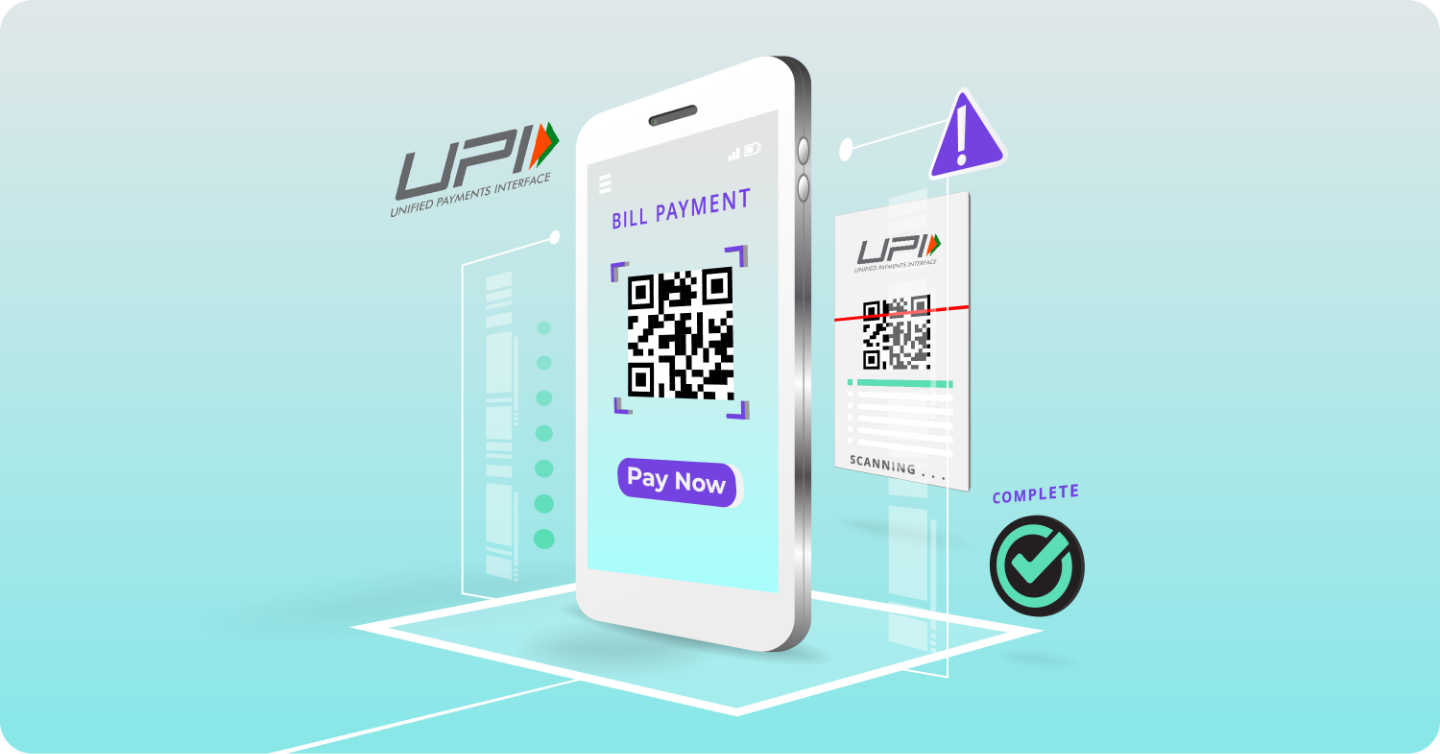

UPI and QR code payment scams have become one of the most common forms of digital fraud in India. Knowing how these scams work and following a few essential safety practices can help users protect their money and personal information while making online payments.
The UPI and QR code payment scams have increased alongside India’s rapid adoption of digital payments. Millions of people use Unified Payments Interface (UPI) every day for shopping, bill payments, and money transfers. While UPI is designed with strong security features, cybercriminals often exploit user mistakes rather than technical weaknesses. Understanding common fraud tactics and knowing how to respond can significantly reduce the risk of financial loss.
The National Payments Corporation of India (NPCI), banks, and law enforcement agencies regularly advise users to verify every payment request and avoid sharing confidential information. Most successful scams occur because users unknowingly authorize fraudulent transactions.
Understanding How Fake UPI and QR Code Scams Work
Digital payment fraudsters constantly develop new methods to deceive users. One of the most common scams involves sending fake payment requests that appear to come from buyers, sellers, or customer support representatives.
Another popular method is the misuse of QR codes. Fraudsters may send a QR code claiming it is needed to “receive” money. In reality, scanning a QR code through a UPI app usually initiates a payment process rather than crediting money to your account.
Scammers also create fake merchant websites, impersonate bank officials, advertise products at unusually low prices, or contact victims through messaging apps and social media. Their goal is to convince users to approve a payment or disclose sensitive information.
Understanding that a genuine payment receipt does not require your UPI PIN is the first step toward avoiding fraud.
Common Warning Signs of UPI Payment Fraud
Recognizing suspicious activity can prevent accidental payments.
Be cautious if someone:
- Asks you to scan a QR code to receive money.
- Requests your UPI PIN, OTP, debit card details, or CVV.
- Claims your bank account will be blocked unless you act immediately.
- Pressures you to approve a payment request without verification.
- Offers expensive products at unrealistic discounts.
- Sends links to unofficial payment pages.
Banks, UPI service providers, and NPCI never ask customers to share confidential credentials over phone calls, messages, or emails.
Best Practices to Stay Safe During Digital Payments
Simple habits can greatly improve your digital payment security.
Before completing any transaction:
- Verify the recipient’s name displayed in your UPI application.
- Confirm the mobile number or UPI ID before sending money.
- Read every payment notification carefully instead of approving it immediately.
- Double-check the amount entered.
- Use only trusted payment applications downloaded from official app stores.
- Enable screen lock, fingerprint authentication, or facial recognition on your smartphone.
Keeping your UPI application updated also ensures you receive the latest security improvements released by the provider.
QR Code Safety Tips Every User Should Follow
QR code payments have become common at shops, restaurants, parking facilities, and delivery services. While genuine QR codes are safe, fake ones can redirect payments to fraudulent accounts.
Always inspect QR codes before scanning. Criminals sometimes place counterfeit stickers over legitimate merchant QR codes.
If possible:
- Verify the merchant’s name displayed in your UPI app.
- Compare the QR code with the shop owner’s official payment display.
- Avoid scanning QR codes received through unsolicited messages.
- Never install unknown applications after scanning a code.
- Confirm payment verbally with the merchant after the transaction.
These precautions are particularly important during festivals, busy shopping seasons, and crowded public events where fraudsters often target consumers.
What to Do If You Become a Victim of a UPI Scam
Quick action improves the chances of limiting financial loss.
If you suspect unauthorized payment:
- Contact your bank immediately.
- Report the transaction through your UPI application’s customer support.
- Call the national cybercrime helpline at 1930 as soon as possible.
- File a complaint on the National Cyber Crime Reporting Portal.
- Preserve screenshots, transaction IDs, chat conversations, and call records as evidence.
Do not delete messages related to the incident until your complaint has been resolved.
The sooner the fraud is reported, the better the possibility of freezing or tracing the transaction before the money moves further.
Why Digital Awareness Matters More Than Ever
India processes billions of UPI transactions every month, making digital payments one of the country’s biggest financial success stories. However, cybercriminals continue to exploit users who are unfamiliar with online security practices.
Awareness is the strongest defense against fraud. Most scams rely on creating panic, urgency, or excitement rather than breaking banking systems. By taking a few seconds to verify requests, reading payment prompts carefully, and avoiding unsolicited QR codes or payment links, users can safely enjoy the convenience of digital transactions.
Digital payment systems remain secure when users follow recommended practices and remain cautious while authorizing transactions.
Takeaways
- Never scan a QR code to receive money unless you fully understand the transaction.
- Do not share your UPI PIN, OTP, CVV, or banking credentials with anyone.
- Verify recipient details before approving every payment request.
- Report suspected fraud immediately to your bank and the national cybercrime helpline at 1930.
FAQs
Can someone steal money just by sending me a QR code?
No. Simply receiving a QR code does not transfer money. However, scanning it and authorizing a payment with your UPI PIN can result in money being sent to the fraudster.
Does receiving money require entering a UPI PIN?
No. A UPI PIN is required only when you are authorizing a payment or certain account-related actions. Receiving money does not require entering your PIN.
What should I do if I accidentally approved a fraudulent UPI payment?
Immediately contact your bank, report the transaction through your payment app, call the cybercrime helpline at 1930, and file a complaint on the National Cyber Crime Reporting Portal.
Are all QR codes unsafe?
No. Genuine QR codes provided by verified merchants are generally safe. Users should remain cautious of QR codes received through unknown messages, emails, or suspicious advertisements and always verify the merchant details before making a payment.