
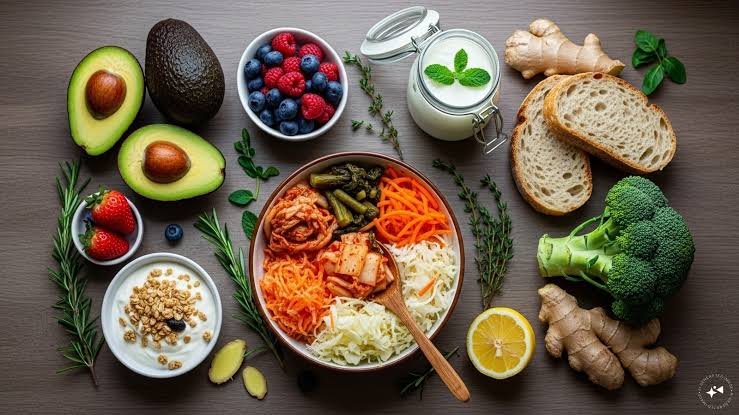

Zero-sugar and low-gluten diets are increasingly becoming part of conversations around fitness, weight management and everyday eating among young Indians. But cutting sugar and gluten is not automatically healthier. Understanding what these diets actually remove is more important than following a trend.
Why Zero-Sugar Diets Are Getting Attention
The growing interest in zero-sugar eating is closely linked to changing attitudes towards packaged food, sugary beverages and highly processed snacks. Young consumers are increasingly checking nutrition labels and looking beyond calories when choosing what to eat.
Social media has also made terms such as zero sugar, clean eating, low carb and high protein part of everyday food conversations. However, a zero-sugar diet can mean different things to different people. Some avoid added sugar while continuing to eat fruit and dairy, while others attempt to eliminate almost all sources of sugar.
The distinction matters. The World Health Organization recommends reducing free sugar intake to less than 10% of total daily energy intake for both adults and children. It says reducing this further to below 5% can provide additional health benefits. Free sugars include sugars added during manufacturing or cooking, as well as those naturally present in honey, syrups and fruit juices.
Added Sugar Is Not The Same As Natural Sugar
One reason nutrition conversations can become confusing is that the word sugar covers several different things.
The sugar naturally present in whole fruit is not treated in the same way as free sugars in WHO’s guidance. Whole fruits also provide fibre and other nutrients. Similarly, naturally occurring lactose in milk is different from sugar added to a sweetened beverage or dessert.
For young Indians trying to reduce sugar, the more practical approach is often to examine where added and free sugars are coming from. Sweetened tea and coffee, soft drinks, packaged juices, desserts, biscuits, breakfast cereals, flavoured dairy products and several packaged snacks can contribute to overall intake.
WHO notes that much of the sugar consumed can come from foods that are not traditionally viewed as sweets. Reducing these sources can therefore be more meaningful than simply avoiding table sugar at home.
What A Low-Gluten Diet Actually Means
The interest in low-gluten eating is slightly different. Gluten is a group of proteins found naturally in wheat, barley and rye.
For people with coeliac disease, consuming gluten can trigger an immune response that damages the small intestine. A medically necessary gluten-free diet is therefore very different from choosing gluten-free products because they appear healthier.
For people without a diagnosed gluten-related disorder, there is no general recommendation that everyone should eliminate gluten. The National Institute of Diabetes and Digestive and Kidney Diseases notes that there is no evidence that a gluten-free diet improves health or causes weight loss in the general population without coeliac disease or another gluten-related condition.
This distinction is becoming increasingly important as gluten-free products become more visible in supermarkets, restaurants and online food platforms.
Why Young Consumers Are Changing Everyday Food Choices
The shift is not necessarily about completely abandoning traditional Indian food. In many cases, young consumers are modifying familiar meals rather than replacing them.
A person may reduce sugar in morning tea, choose unsweetened beverages, replace sugary snacks with fruit or nuts, and pay closer attention to packaged-food labels. Someone experimenting with gluten reduction may reduce bakery products while continuing to eat naturally gluten-free foods such as rice, millets, pulses, vegetables and many traditional Indian dishes.
The popularity of fitness content has also changed how food is discussed online. Protein intake, fibre, hydration, processed food and ingredient labels now receive more attention than they did among many younger consumers a decade ago.
But online advice can oversimplify nutrition. A diet that works for one person may not be appropriate for another.
Low-Gluten Does Not Automatically Mean Healthier
The term low-gluten can create the impression that removing wheat automatically improves a diet. That is not necessarily the case.
Some packaged gluten-free foods can contain more fat or sugar than their conventional alternatives. NIDDK also warns that people who remove gluten without appropriate guidance may fail to obtain enough nutrients such as fibre, iron and calcium.
For this reason, replacing a regular biscuit with a gluten-free biscuit does not automatically make a snack healthier.
The overall nutritional quality matters more. A meal containing vegetables, pulses, appropriate protein, whole or minimally processed carbohydrates and healthy fats can be more useful than focusing on a single ingredient category.
For Indian households, this also means there may be no need to replace traditional staples simply because they contain wheat or carbohydrates.
Indian Foods Can Fit Into A Balanced Approach
India’s diverse food culture provides plenty of naturally low-sugar and gluten-free options.
Rice, dal, vegetables, fruits, many varieties of millet, eggs, fish, meat, nuts and several traditional preparations can form part of a balanced diet depending on an individual’s nutritional requirements.
The key is preparation. A naturally gluten-free food can still become high in sugar, salt or fat when heavily processed or prepared with sweetened sauces.
Similarly, eliminating sugar from a diet does not compensate for an otherwise poor-quality eating pattern.
WHO’s more recent carbohydrate guidance focuses on carbohydrate quality, including dietary fibre, rather than suggesting that all carbohydrates should be removed. It recommends attention to the quality and sources of carbohydrates as part of a healthy diet.
Reading Food Labels Is Becoming More Important
For young consumers trying to change their diets, food labels can be more useful than social media diet rules.
The ingredient list can reveal whether sugar, syrups or other sweetening ingredients have been added. The nutrition information can also help consumers compare products based on serving size and nutrient content.
A product marketed as healthy, natural or fitness-friendly should not automatically be treated as a better choice.
The same principle applies to gluten-free products. A gluten-free label describes the absence or controlled level of gluten, but it does not by itself guarantee that a product is nutritionally superior.
Learning to compare ingredients and nutrition information gives consumers a more reliable way to make everyday food decisions.
The Risk Of Following Extreme Food Trends
There is a difference between reducing excessive sugar intake and attempting to eliminate every food that contains sugar. There is also a difference between medically necessary gluten avoidance and removing wheat without a diagnosed reason.
Very restrictive diets can make everyday eating unnecessarily difficult and may reduce dietary variety.
People with symptoms that they believe are related to gluten should also avoid self-diagnosing through social media. NIDDK advises people who suspect coeliac disease to undergo appropriate testing before starting a gluten-free diet because eliminating gluten beforehand can affect diagnostic results.
The same caution applies to major dietary changes undertaken for weight loss, sports performance or other health goals. A registered dietitian or qualified healthcare professional can help determine whether a restriction is actually necessary.
What The Trend Really Says About Young Indians
The growing interest in zero-sugar and low-gluten diets reflects a broader change in how younger consumers think about food. There is greater interest in ingredients, labels, fitness, metabolic health and the connection between everyday eating and long-term wellbeing.
But the most useful shift may not be the move towards eliminating specific ingredients. It is the move towards becoming more aware of what is actually being consumed.
For most people, a balanced eating pattern is more practical than following extreme restrictions. Reducing excess free sugar can be beneficial, while gluten avoidance should generally be based on a genuine medical need or professional dietary advice.
The trend, therefore, is less about declaring sugar or gluten universally bad and more about encouraging consumers to understand their food choices before changing them.
Takeaways
- WHO recommends keeping free sugar intake below 10% of daily energy intake, with further reduction to below 5% offering additional benefits.
- A gluten-free diet is medically important for people with coeliac disease, but it is not automatically healthier for everyone.
- Packaged products labelled zero-sugar or gluten-free should still be checked for their overall nutritional content.
- Young consumers can make more sustainable changes by focusing on balanced meals, food labels and reduced consumption of highly processed foods.
FAQ
Is a zero-sugar diet healthy for young Indians?
Reducing excessive intake of free sugars can support healthier eating, but completely eliminating every form of sugar is not necessary for most people. Whole fruits and other foods containing naturally occurring sugars can remain part of a balanced diet.
Is a gluten-free diet better for weight loss?
Not necessarily. There is no evidence that a gluten-free diet automatically promotes better health or weight loss in people without coeliac disease or another gluten-related condition.
Should everyone stop eating wheat?
No. Wheat is not inherently unhealthy for the general population. People with coeliac disease or certain medically diagnosed gluten-related conditions may need to avoid gluten, while others can generally include wheat as part of a balanced diet.
What should young Indians check before buying zero-sugar or gluten-free products?
Check the ingredient list and nutrition information rather than relying only on the front-of-pack claim. A product can be free from added sugar or gluten while still being highly processed or relatively high in other nutrients such as fat or sodium.