

India’s streaming industry is increasingly shaped by viewers who want stories in their preferred languages. Netflix and regional OTT platforms are responding with local films, original series, dubbed content and subtitles. This shift reflects India’s linguistic diversity and the growing importance of culturally relevant entertainment.
India’s OTT Audience Is Growing Beyond Major Cities
Regional language content is becoming an important part of India’s streaming business as more viewers access entertainment through smartphones, smart televisions and affordable internet connections.
According to the Ormax OTT Audience Report 2026, published in September 2026, India’s online video audience reached an estimated 664.9 million people, up from 601.2 million in 2025. The report defines its OTT audience as people who watched online video at least once during the previous month. <Cite refs={[“turn680038search1”]}/>
This growing audience presents an opportunity for streaming platforms to reach viewers with different linguistic and cultural preferences. A person in Nagpur may enjoy Marathi films alongside Hindi web series, while viewers in Kerala, West Bengal, Tamil Nadu and Assam may prefer entertainment that reflects their own languages and regional experiences.
For streaming companies, the challenge is not simply to increase the number of subscribers. They must also offer content that gives viewers a reason to return to the platform.
Why Regional Language Content Matters to Netflix
Netflix has expanded its Indian catalogue with films and series in multiple languages, alongside Hindi-language productions and international entertainment. Its multilingual approach allows viewers to discover stories beyond their immediate linguistic markets.
Regional content can help a streaming platform connect with audiences who may not regularly watch Hindi or English productions. A story rooted in a particular community, family structure or local setting can feel more familiar to viewers who recognise those experiences.
Language also affects how audiences understand humour, relationships and emotional expression. While subtitles and dubbing make content accessible across linguistic boundaries, an original performance in a viewer’s preferred language can offer a different experience.
For Netflix, multilingual programming also creates opportunities for Indian stories to reach audiences outside their home states. A Malayalam thriller, Tamil drama or Marathi film can attract viewers from other parts of India when its subject, performances and storytelling appeal to them.
However, regional content is not automatically successful. Its performance depends on factors such as writing, production quality, promotion, audience interest and the availability of suitable viewing options.
Regional OTT Platforms Build Their Identity Around Language
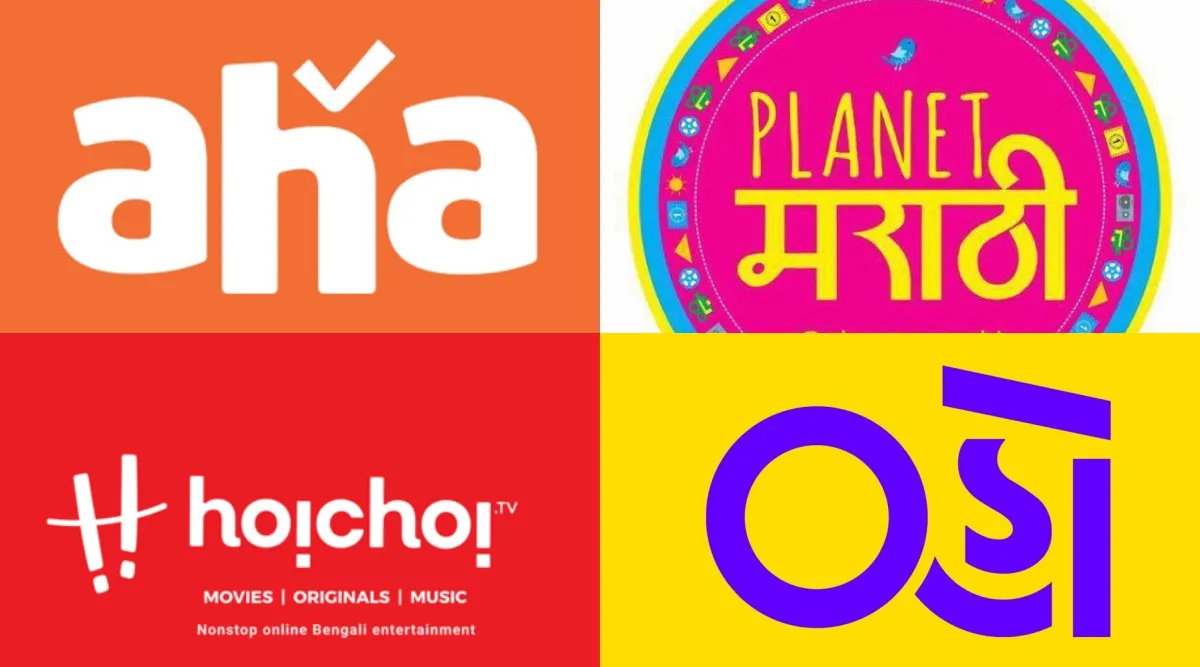
India’s streaming market includes platforms that focus on specific languages or regions. Aha is associated with Telugu and Tamil entertainment, Hoichoi focuses on Bengali content, and Sun NXT offers programming across several South Indian languages. Marathi-language entertainment is also available through services such as Planet Marathi.
These platforms compete by offering content that larger, general-entertainment services may not prioritise to the same extent. Their catalogues can include regional films, original web series, television programmes, comedy, family dramas and other locally relevant formats.
For viewers, this creates more choice. Someone who wants to watch a Bengali thriller or a Marathi drama can look beyond mainstream Hindi entertainment and explore a dedicated catalogue.
The business challenge is that specialised platforms must attract enough paying viewers to support content production, technology and distribution. A smaller potential audience does not necessarily mean a weaker opportunity, but it makes pricing, customer retention and production budgets particularly important.
Regional services may also compete with one another and with larger platforms that have greater marketing resources. Their long-term success depends on maintaining a distinct identity while adapting to changing audience expectations.
Multilingual Content Is Changing How Streaming Platforms Compete
The shift towards multiple languages is not limited to dedicated regional platforms. Larger streaming services increasingly use language options to make content available to wider audiences.
The Ormax report tracking Indian streaming originals in 2025 found that Hindi accounted for 60% of the originals covered, down from 65% in 2024. Telugu originals increased from 28 to 35 during the same period, according to reporting on the study. These figures refer to original productions, not total viewing hours or the complete catalogue of every platform. <Cite refs={[“turn680038search3”]}/>
The figures indicate that the market remains Hindi-heavy while other languages are gaining space in original production. They do not, by themselves, prove that every regional-language category is growing at the same rate.
For streaming platforms, language diversity creates both an opportunity and a financial challenge. Producing original content in different languages requires writers, actors, directors and production teams who understand the intended audience. Platforms must then decide how much to invest in each market and how to measure the results.
Some productions may appeal mainly to audiences in one state, while others may attract viewers across India. A successful strategy needs to account for both possibilities rather than assuming every regional title will become a national hit.
Subtitles and Dubbing Help Stories Cross Language Barriers
Original-language content is only one part of the multilingual streaming experience. Subtitles and dubbing allow viewers to explore programmes they might otherwise avoid because of language differences.
A Hindi-speaking viewer can watch a Tamil film with subtitles, while someone who prefers Marathi may choose dubbed audio when it is available. International programmes can also reach Indian audiences through translated subtitles and local-language audio tracks.
These features make the content catalogue more accessible, but translation requires care. Poorly timed subtitles, inaccurate dialogue or dubbing that loses the original tone can affect the viewing experience.
Streaming services therefore need to balance accessibility with quality. They must decide which titles warrant additional language versions, how to maintain consistency and whether the costs are justified by audience demand.
Language options also benefit households where family members have different preferences. On a shared television, subtitles or alternative audio tracks can make a programme easier for more people to enjoy.
Still, translation cannot replace every aspect of local storytelling. A programme developed around a region’s social context, humour and cultural references may offer something different from a production simply made available in another language.
What Regional OTT Growth Means for Tier-2 and Tier-3 Cities
Smaller cities are important to India’s streaming landscape because audiences outside major metropolitan areas have diverse entertainment preferences. Viewers may combine national releases with films, series and programmes in their mother tongues.
In cities such as Nagpur, regional and national viewing habits can overlap. Marathi entertainment may appeal to some households, while Hindi films, South Indian cinema and international series attract others. The balance varies from viewer to viewer.
The growth of connected televisions also gives streaming platforms another route into Indian homes. Ormax estimated India’s connected-TV audience at 206.9 million in 2026, compared with 129.2 million in 2025. This measures the audience for connected television, not the number of individual paid subscribers to any one streaming service. <Cite refs={[“turn680038search1”]}/>
For regional producers, a wider digital audience can create opportunities to reach viewers beyond traditional distribution areas. But access alone does not guarantee success. Subscription affordability, internet quality, device availability and awareness of regional titles can all influence whether people watch and pay for content.
Platforms must also consider how audiences discover programmes. Recommendations, search tools, trailers and language filters can help viewers find relevant content in large catalogues.
Challenges: Content Budgets, Discoverability and Subscriber Retention
The growing importance of multilingual content does not remove the financial risks of streaming. Original productions can be expensive, and platforms need to determine whether the audience for a title justifies its production and marketing costs.
Regional services face additional challenges when trying to retain subscribers between major releases. A viewer may subscribe to watch one film and cancel afterwards if the catalogue does not offer enough continuing value.
Discoverability is another issue. A platform may have strong regional content, but viewers will struggle to find it if recommendations focus heavily on mainstream titles or if language filters are difficult to use.
There is also a difference between producing more content and producing content that audiences genuinely want. A sustainable strategy requires investment in good scripts, talented performers, effective distribution and reliable audience research.
Streaming companies must therefore evaluate performance carefully. Subscriber numbers, viewing time, repeat usage and title-level engagement can offer different insights, and no single metric fully explains whether a multilingual strategy is working.
The Future of Multilingual Streaming in India
Multilingual content is likely to remain an important consideration as India’s streaming audience expands and platforms compete for attention. The opportunity lies in combining local relevance with broad accessibility.
Netflix and other large services can use language options to introduce viewers to stories from across India. Regional platforms can compete through deeper knowledge of their audiences and a stronger focus on particular languages and cultural contexts.
The most effective approach may involve both strategies: creating distinctive original stories in local languages and making selected titles accessible to viewers elsewhere through high-quality subtitles and dubbing.
For audiences, this competition can mean more choices and greater visibility for stories that were previously difficult to find outside their home markets. For creators, it can open additional distribution opportunities, although funding and audience demand will continue to shape what gets produced.
The larger change is that language is becoming an important part of how streaming services organise, commission and distribute entertainment. In a country as linguistically diverse as India, platforms that understand regional audiences have an opportunity to build stronger connections with viewers.
Key Takeaways
- India’s streaming audience is expanding, creating opportunities for content in multiple Indian languages.
- Netflix combines Indian-language productions with subtitles and dubbing to reach wider audiences.
- Regional OTT platforms differentiate themselves through language-focused catalogues and local storytelling.
- Long-term success depends on content quality, affordability, discoverability and subscriber retention.
Frequently Asked Questions
1. Why is regional language content becoming important on Indian OTT platforms?
Regional content helps platforms connect with viewers who prefer entertainment in their own languages. It also allows local stories, performers and cultural experiences to reach audiences beyond traditional regional markets.
2. Does Netflix offer regional Indian-language content?
Yes. Netflix offers Indian films and series in several languages, along with language options for selected titles. The availability of particular audio tracks and subtitles varies by programme and region.
3. Which OTT platforms focus on regional Indian content?
Examples include Aha for Telugu and Tamil entertainment, Hoichoi for Bengali content, Sun NXT for several South Indian languages and Planet Marathi for Marathi entertainment. Their catalogues and subscription terms may change over time.
4. Will regional OTT platforms replace mainstream streaming services?
Not necessarily. Regional platforms and larger services can serve different needs, and their audiences may overlap. The outcome depends on content quality, pricing, catalogue depth and how effectively each service retains viewers.