
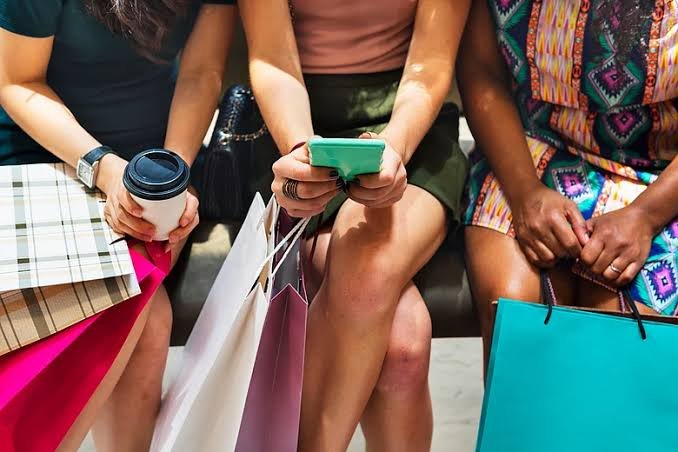

India’s Gen Z shoppers are influencing fashion, beauty and home-product markets through social media discovery, premium skincare, online shopping and festive purchases. Recent studies reveal how young consumers are changing what they buy, where they shop and how they make decisions.
Gen Z Shopping Trends 2026: A Shift in Consumer Spending
Gen Z shopping trends in India are changing the way brands approach young consumers. Fashion, beauty, skincare, fragrances and home-related products are becoming important parts of their shopping choices. Social media, online marketplaces and digital payment options have also made product discovery and purchasing easier.
Recent reports show that younger consumers are willing to spend on products connected to personal appearance, lifestyle and self-expression. According to a Myntra beauty report covering August 2025 to August 2026, Gen Z accounts for 60% of the platform’s beauty shoppers. These customers spend 1.2 times as much on beauty as the average customer, while repeat orders from Gen Z increased 70%.
However, the trend does not mean every young Indian is spending more. Spending patterns differ according to income, location, personal priorities and access to digital shopping platforms. The Economic Times+1
Fashion Shopping: Why Gen Z Prefers Personal Style
Fashion remains one of the most visible categories in Gen Z shopping behaviour. Young consumers are increasingly using clothing, footwear and accessories to express their identities rather than following only traditional fashion preferences.
A study by Snapchat and GWI, based on 1,008 Gen Z internet users in India, found that 68% of respondents were buying or expecting to buy fashion and apparel products during the Diwali shopping season in 2026. The study also found that 46% planned most of their fashion purchases in advance, while 49% combined planned shopping with spontaneous buying.
This combination is important for retailers. Young shoppers may prepare a list of products but still make additional purchases after discovering new styles, discounts or recommendations online.
Oversized T-shirts, sneakers, casual wear, ethnic fusion clothing and accessories are among the categories that appeal to younger online shoppers. The popularity of online-first fashion brands also gives consumers more choices beyond established retail labels.
The result is a market where affordability, design, convenience and personal identity influence purchasing decisions. ET Retail+1
Beauty and Skincare: Gen Z Is Spending More on Personal Care
Beauty and personal care have become major areas of Gen Z consumption. Skincare is no longer limited to occasional purchases or special occasions. For many young consumers, products such as sunscreen, face serums, moisturisers and cleansers are becoming part of regular routines.
Myntra’s Beauty report found that Gen Z accounted for 60% of its beauty shoppers. The platform also reported a 75% rise in beauty and personal care’s share of customers’ wallets and a 70% increase in repeat orders from Gen Z customers.
The report identified growing interest in ingredient-focused skincare products, including vitamin C, salicylic acid, ceramides, snail mucin and azelaic acid. Korean beauty products are also gaining attention. Myntra reported a 200% rise in demand for K-beauty products and an increase of more than 300% in related searches.
Men’s grooming is another expanding category. According to the same report, orders for men’s skincare products rose 78%, while men’s perfume orders increased 50%.
These figures suggest that personal care is becoming a more regular spending category for young consumers, although the platform’s findings should not be treated as a measurement of the entire Indian market. The Economic Times
Home Décor and Household Products: Young Buyers Focus on Personal Spaces
Home-related shopping is another area worth watching. Young Indians living independently, studying away from home or setting up their first workspaces may look for products that make their surroundings more comfortable and personalised.
Home décor, lighting, storage products, furnishings and small household accessories can help consumers change the appearance of a room without undertaking major renovations.
The Rukam Capital-YouGov study on Gen Z festive spending found that 33% of respondents included home décor in their festive spending. Fashion and food were the leading categories at 49% each, followed by gifting at 36%.
The Snapchat-GWI study also found that quick-commerce purchases were often connected to household and family requirements. Among respondents, 59% identified household essentials as a category they bought or expected to buy through quick-commerce platforms during the festive period.
These findings show interest in home-related purchases, but they do not establish that all Gen Z consumers are spending more on furniture or large appliances. Much of the activity involves smaller products, festive decorations and everyday household needs. ETBrandEquity.com+1
Social Media Is Changing How Gen Z Discovers Products
Instagram Reels, YouTube videos and creator recommendations have become important sources of product discovery for young Indian shoppers.
The MSL India and Youth Ki Awaaz report, Bharat Z Vibe Check, surveyed 3,509 respondents under 30 across Tier 2, Tier 3 and Tier 4 cities. It found that 55.8% first discovered products they eventually purchased through Instagram Reels, posts or creators. YouTube ranked second at 39%.
The report also found that 54.8% trusted Reels and short-video advertisements when considering a purchase. However, trust does not depend only on advertising. Around 73.1% said they trusted family and close friends most when considering something new.
Smaller creators also have a role in purchasing decisions. The study found that 48% considered recommendations from smaller creators they followed, compared with 35.5% for large lifestyle and technology creators.
This explains why brands are investing in short-form videos, product demonstrations, reviews and creator partnerships. Young consumers can see how a product looks, understand its features and compare experiences before placing an order.
For fashion and beauty brands, this means product visibility on social platforms can influence demand even before a consumer visits an online shopping application. afaqs!
Tier 2 and Tier 3 Cities Are Becoming Important Shopping Markets
Gen Z consumption is not limited to metropolitan cities such as Mumbai, Delhi and Bengaluru. Smaller cities are also contributing to the growth of online fashion and beauty shopping.
Myntra’s report found that half of its Gen Z beauty shoppers came from Tier 2 and Tier 3 cities. These locations also accounted for half of the platform’s demand for international beauty brands.
Cities including Nagpur, Indore, Bhopal, Patna, Ludhiana and Guwahati were identified as contributors to beauty growth beyond major metros.
This shift matters because online platforms give consumers in smaller cities access to products that may not be widely available in local stores. International skincare brands, niche fragrances and specialised beauty products can now reach customers across a wider geographical area.
The wider retail market is also becoming more digital. A Deloitte-FICCI report published in August 2025 estimated that Tier 2 and Tier 3 cities accounted for more than 60% of India’s e-commerce transactions.
For brands, the opportunity is not simply to sell premium products in metros. It is to understand regional preferences, delivery expectations, purchasing power and the product categories that attract young consumers in different cities. The Economic Times+1
Online Shopping, Quick Commerce and Digital Payments
Convenience is another major factor shaping Gen Z shopping behaviour. Mobile applications allow young consumers to browse products, compare prices, read reviews and make payments without visiting physical stores.
The Bharat Z Vibe Check report found that 84.5% of respondents regularly used online payments. It also reported that more than 62% used quick-commerce applications at least once a week.
Quick commerce is expanding beyond groceries into categories such as beauty and home care. NielsenIQ’s 2026 commerce research reported that average order values in Indian quick commerce increased by 40% for beauty and 54% for home care compared with the previous year.
This expansion can make everyday products easier to purchase, particularly when consumers need personal care or household essentials quickly.
However, convenience can also encourage unplanned spending. When products are available within minutes and payment takes only a few steps, consumers may find it easier to make additional purchases. Discounts, free delivery offers and limited-time promotions can further influence buying decisions. afaqs!+1
Are Young Indians Spending More or Shopping Differently?
The increase in interest across fashion, beauty and home products should be understood alongside Gen Z’s spending limits.
The Bharat Z Vibe Check report found that 67.7% of respondents kept their monthly self-spending below ₹5,000. This indicates that many young consumers continue to operate within relatively limited personal budgets.
A separate Rukam Capital-YouGov study found that 60% of Gen Z respondents spent more during festive occasions. Around 25% reported spending significantly more, while 35% spent somewhat more.
The same study found that 40% combined planned and spontaneous purchases. This suggests that young shoppers may carefully plan major purchases but remain open to buying additional products when they find something appealing.
The pattern is therefore not simply about spending more money. It is also about changing priorities. A young consumer may spend more on skincare or clothing while reducing spending in another category.
Brands that understand this balance between aspiration and affordability may be better positioned to attract repeat customers. afaqs!+1
What These Gen Z Shopping Trends Mean for Brands
The changing behaviour of young Indian shoppers has implications for retailers, online marketplaces and consumer brands.
First, product discovery needs to reflect how younger consumers use digital platforms. Short videos, authentic product demonstrations and customer reviews can help brands reach potential buyers.
Second, affordability remains important even when consumers show interest in premium products. Smaller product sizes, starter kits, combination offers and clear pricing can help brands attract buyers who have limited budgets.
Third, businesses should pay attention to demand beyond metropolitan markets. The growth of beauty shopping in Tier 2 and Tier 3 cities indicates that brands may need to improve regional availability and delivery networks.
Finally, customer trust matters. Recommendations from friends, family and smaller creators can influence purchase decisions, while poor product quality and misleading claims can damage brand reputation.
Gen Z is not a single group with identical spending habits. Its preferences vary by age, income, location and lifestyle. Businesses that recognise these differences may find more sustainable opportunities than those relying only on viral trends.
Key Takeaways
- Fashion, beauty and home-related products are important categories in Gen Z shopping, with festive studies showing strong interest in these segments.
- Myntra reported that Gen Z accounts for 60% of its beauty shoppers, with growing demand for skincare, fragrances and K-beauty.
- Instagram, YouTube, creator recommendations and online payments are influencing how young Indians discover and purchase products.
- Tier 2 and Tier 3 cities are becoming important markets, but many young consumers continue to manage limited monthly spending budgets.
FAQs
1. What are the major Gen Z shopping trends in India in 2026?
Major trends include spending on fashion, skincare, fragrances, personal care and home décor. Social media discovery, online shopping, creator recommendations and quick commerce are also influencing purchasing decisions.
2. Why is Gen Z spending more on beauty and skincare?
Beauty and skincare are becoming part of regular personal-care routines. Interest in ingredient-focused products, sunscreen, Korean beauty, fragrances and men’s grooming is contributing to category growth.
3. Are Tier 2 and Tier 3 cities contributing to Gen Z shopping growth?
Yes. Myntra’s 2026 Beauty report found that half of its Gen Z beauty shoppers came from Tier 2 and Tier 3 cities. Cities such as Nagpur, Indore, Bhopal, Patna and Guwahati were among the markets contributing to growth.
4. How does social media influence Gen Z shopping decisions?
Instagram Reels, YouTube videos, creator recommendations and product reviews help young consumers discover products. However, recommendations from family and close friends remain an important source of purchasing trust.