
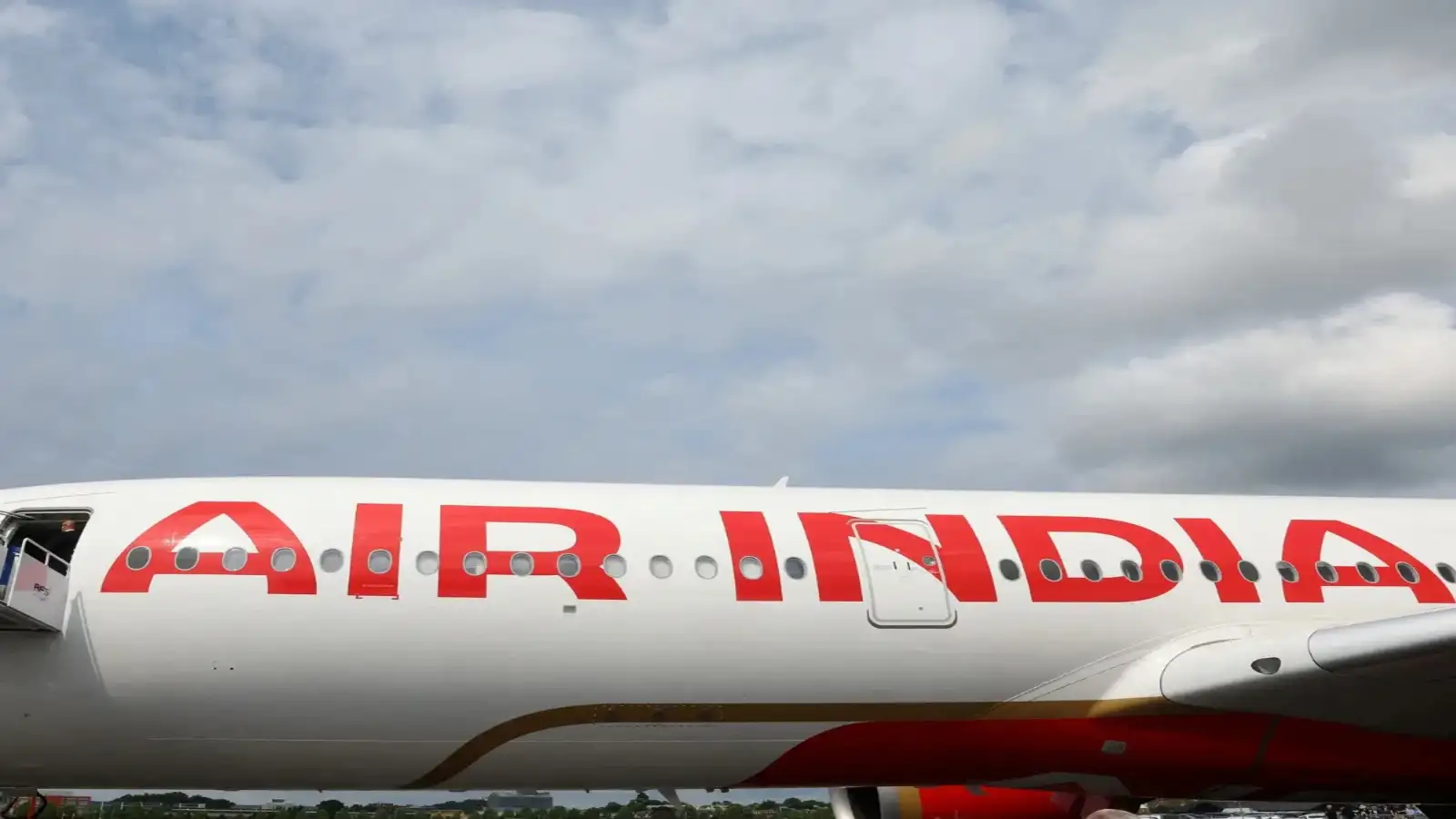

Air India has expanded its West Asia connectivity by operating around 80 flights to and from key destinations in the region. The move is expected to support Indian workers, business travelers, and families who frequently travel between India and Gulf countries.
The expansion highlights the growing demand for air travel between India and West Asia. Millions of Indians live and work in countries such as the United Arab Emirates, Saudi Arabia, Qatar, and Oman, making these routes some of the busiest international corridors.
Air India Expands West Asia Connectivity With Additional Flights
Air India expanding West Asia connectivity with nearly 80 flights reflects the airline’s strategy to strengthen routes linking India with Gulf countries. These flights connect several major Indian cities with key West Asian hubs that host large Indian expatriate populations.
The increased flight frequency allows passengers to access more travel options throughout the week. For travelers, this means greater flexibility when booking flights and potentially shorter waiting periods during peak travel seasons.
West Asia remains one of the most important international markets for Indian airlines. The region hosts millions of Indian workers who travel frequently for employment, family visits, and business activities.
By increasing flight operations, Air India aims to accommodate the growing demand for travel while improving accessibility between the two regions.
Importance of Gulf Routes for Indian Aviation
The aviation corridor between India and West Asia is among the busiest international travel routes in the world. Countries in the Gulf Cooperation Council region employ a large number of Indian workers across sectors such as construction, healthcare, retail, and hospitality.
Because of this strong workforce presence, demand for regular air travel remains consistently high. Workers often travel between their workplaces in the Gulf and their hometowns in India during holidays or family emergencies.
Airlines operating on these routes play a critical role in maintaining mobility for the Indian diaspora. Frequent flights help ensure that travelers have reliable access to affordable transportation.
Airlines also benefit from high passenger volumes on these routes, which contribute significantly to international aviation revenues.
Impact on Indian Workers in Gulf Countries
For Indian workers living in Gulf nations, the expansion of West Asia flights by Air India can improve travel convenience and accessibility.
Many workers rely on affordable flights to visit their families in India during annual leave periods. Additional flight options may reduce travel disruptions during peak seasons such as festivals and school holidays.
Increased connectivity can also help workers travel quickly in case of emergencies. Access to more frequent flights provides greater flexibility when planning return trips.
The presence of multiple flight schedules also creates competitive pricing in the market. When airlines increase capacity on popular routes, ticket availability improves and price fluctuations may become more manageable.
This development is particularly important for workers living in smaller Indian cities who often rely on connecting flights to reach their hometowns.
Benefits for Business and Tourism Travel
The expansion of West Asia flights also benefits business travelers and tourists moving between India and Gulf countries.
West Asia is a significant trade partner for India, with strong connections in sectors such as energy, infrastructure, finance, and technology. Increased air connectivity helps facilitate business travel, allowing executives and professionals to move more efficiently between the regions.
Tourism between India and Gulf countries has also grown in recent years. Travelers from Gulf nations frequently visit Indian destinations for holidays, medical tourism, and cultural experiences.
Similarly, Indian tourists travel to cities such as Dubai, Abu Dhabi, and Doha for leisure and shopping trips. Greater flight availability supports this two way tourism flow.
Improved connectivity can also benefit Indian airlines by strengthening their presence in an important international market.
Strengthening India’s Global Aviation Network
Air India expanding West Asia connectivity is part of a broader effort to strengthen India’s global aviation network. Indian airlines have been increasing international routes as passenger demand continues to recover and grow.
Improved connectivity between India and West Asia supports economic and social ties between the regions. Strong aviation links help facilitate trade, tourism, and workforce mobility.
Airlines are also investing in fleet upgrades and service improvements to compete effectively in international markets. As travel demand increases, airlines must balance passenger capacity with operational efficiency.
The expansion of flights to West Asia reflects the importance of maintaining strong transport connections with regions that have deep economic and cultural ties to India.
Outlook for Future India Gulf Air Travel
The demand for air travel between India and Gulf countries is expected to remain strong in the coming years. Economic cooperation and workforce mobility continue to drive passenger movement on these routes.
Airlines may continue adding flights or introducing new routes as passenger volumes increase. Improved airport infrastructure in Indian cities could also support higher international traffic.
For travelers, increased airline competition and expanded connectivity often translate into more choices and better travel experiences.
The strengthening of India’s aviation network with West Asia highlights the importance of reliable international transport for workers, businesses, and families connected across borders.
Takeaways
Air India has expanded its West Asia connectivity with around 80 flights.
The routes serve major Gulf destinations with large Indian expatriate populations.
Additional flights improve travel flexibility for workers, tourists, and business travelers.
Stronger air connectivity supports economic and social ties between India and West Asia.
FAQs
Why are West Asia flights important for Indian travelers?
Millions of Indians work and live in Gulf countries, making these routes essential for travel between workplaces and hometowns.
How does increasing flight frequency benefit passengers?
More flights provide greater flexibility in travel schedules and improve ticket availability.
Who benefits the most from expanded Gulf connectivity?
Indian workers in Gulf countries, business travelers, tourists, and families traveling between the regions benefit from additional flights.
Will ticket prices decrease because of more flights?
Increased flight capacity can sometimes improve availability and stabilize pricing, although fares still depend on demand and season.