
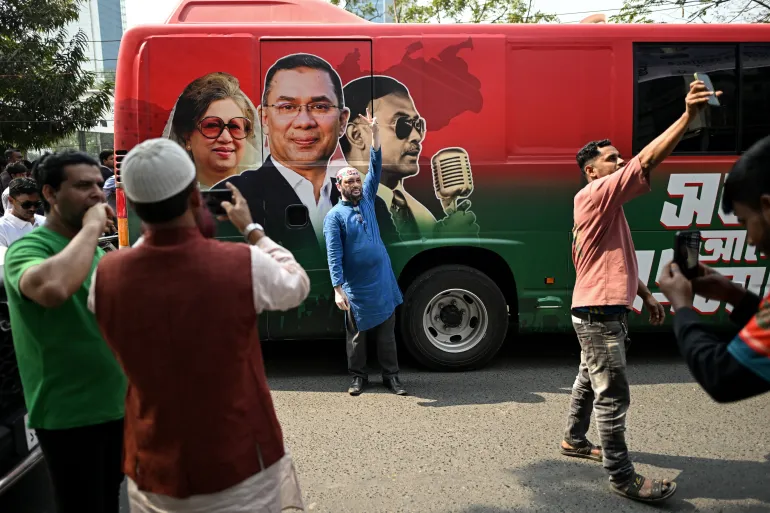

The Bangladesh election 2026 has drawn regional attention, especially after India declined to send official observers. This diplomatic decision carries implications for bilateral ties, border management, trade flows, and security coordination affecting Indian border states such as West Bengal, Assam, Meghalaya, Tripura, and Mizoram.
The Bangladesh election 2026 comes at a time when India and Bangladesh share strong economic, security, and connectivity partnerships. India’s decision to decline an observer role is being viewed as a calibrated diplomatic stance rather than a withdrawal from engagement. In international practice, election observation is typically conducted by multilateral bodies or invited partners. A sovereign decision to avoid direct monitoring reflects sensitivity to internal political processes while maintaining bilateral channels.
Understanding India’s Diplomatic Position
India’s diplomatic stance after declining the observer role signals adherence to the principle of non interference in domestic political processes of neighboring countries. Over the years, India has emphasized stable and cooperative ties with Dhaka regardless of the ruling party.
Bilateral relations between the two countries have strengthened through agreements on land boundary settlement, counterterrorism cooperation, energy trade, and infrastructure connectivity. India’s approach suggests that engagement will continue through established diplomatic frameworks rather than symbolic participation in election monitoring.
Such decisions are often shaped by regional stability concerns. Maintaining neutrality helps avoid perceptions of favoritism during politically sensitive periods. For India, long term strategic continuity outweighs short term optics.
Implications for West Bengal and Northeast Border States
Border states such as West Bengal, Assam, Meghalaya, Tripura, and Mizoram are directly influenced by developments in Bangladesh. Cross border trade, migration management, and security coordination are practical concerns that transcend electoral cycles.
In West Bengal and Tripura, integrated check posts facilitate legal trade in goods including agricultural produce, textiles, and construction materials. Any political instability in Bangladesh can temporarily disrupt trade flows, affecting local traders and transport networks.
Assam and Meghalaya share river systems and land borders that require coordinated border management. Stability in Bangladesh ensures smoother functioning of border fencing, patrol coordination, and anti smuggling operations.
India’s diplomatic neutrality during the Bangladesh election 2026 is aimed at preserving continuity in these operational arrangements irrespective of political outcomes.
Security Cooperation and Counter Infiltration Measures
Security cooperation between India and Bangladesh has deepened over the past decade. Intelligence sharing and coordinated border patrols have contributed to reducing insurgent safe havens and illegal cross border activities.
A stable electoral process in Bangladesh is important for sustaining this cooperation. If political tensions escalate, security agencies on both sides may face additional challenges in maintaining seamless coordination.
For states like Assam and Tripura, border stability directly impacts internal law and order. Reduced infiltration and improved border infrastructure have been priorities for the central and state governments. Diplomatic balance during elections supports these objectives by preventing bilateral friction.
Trade, Connectivity, and Economic Linkages
India and Bangladesh have expanded connectivity projects, including road, rail, and inland waterway routes. Border haats, or local trade markets, operate in parts of Meghalaya and Tripura, allowing limited cross border exchange of goods for local communities.
Political continuity in Bangladesh supports these economic linkages. Any shift in trade policy or administrative priorities could affect customs procedures and transit arrangements.
For small businesses in border districts, even minor disruptions can impact daily income. Therefore, India’s measured diplomatic approach during the Bangladesh election 2026 is designed to safeguard long term economic interests rather than intervene in electoral processes.
Humanitarian and Migration Considerations
Border states often face migration pressures during periods of political unrest in neighboring countries. While large scale movements are not automatic outcomes of elections, contingency planning remains essential.
India’s stance appears to prioritize monitoring developments through diplomatic and security channels without overt involvement. This allows preparedness without escalating tensions.
State administrations in West Bengal and the Northeast regularly coordinate with central agencies on border management. Stable bilateral relations make humanitarian coordination easier if required.
Regional Geopolitics and Strategic Balance
Bangladesh occupies a critical geographic position between India’s mainland and the Northeast. Transit agreements and connectivity corridors reduce travel time and logistics costs significantly.
India’s diplomatic handling of the Bangladesh election 2026 also reflects broader regional considerations, including engagement with other South Asian neighbors. Maintaining consistent foreign policy principles strengthens India’s credibility as a regional partner.
Strategic restraint during electoral cycles helps avoid misinterpretation of intent. The focus remains on institutional ties rather than political personalities.
What to Watch Going Forward
The immediate aftermath of the Bangladesh election 2026 will determine the pace of policy continuity. Key indicators include statements from Dhaka on bilateral agreements, trade facilitation measures, and security coordination frameworks.
For border states, practical outcomes matter more than diplomatic symbolism. Smooth functioning of border trade posts, uninterrupted transport routes, and continued security collaboration are the primary benchmarks.
India’s decision to decline an observer role does not signal disengagement. Instead, it reflects a preference for stable and predictable bilateral engagement without direct participation in domestic political processes.
Takeaways
• India’s stance reflects non interference and strategic neutrality during the Bangladesh election 2026
• Border states depend on stable bilateral ties for trade and security coordination
• Economic connectivity projects hinge on political continuity in Dhaka
• Security cooperation and migration management remain central concerns
FAQs
Q1. Why did India decline the observer role in the Bangladesh election 2026?
The decision aligns with a non interference approach and reliance on established diplomatic channels rather than direct election monitoring.
Q2. How can the election impact Indian border states?
Political stability in Bangladesh affects cross border trade, security coordination, and migration management in neighboring Indian states.
Q3. Will trade between India and Bangladesh be disrupted?
Trade typically continues through institutional mechanisms, though temporary disruptions can occur if political tensions rise.
Q4. Does this decision weaken India Bangladesh relations?
There is no indication of weakening ties. Bilateral engagement is expected to continue through diplomatic and economic channels.