
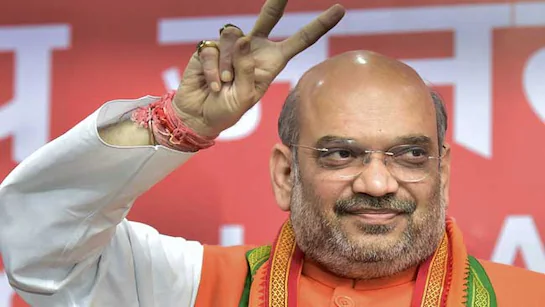

BJP’s poll preparations in West Bengal have intensified as the party sharpens its organisational strategy ahead of upcoming elections. This article explains what the renewed push means for local governance, rural electorates, and political competition across districts, blocks, and village level institutions.
The intent of this topic is time sensitive news analysis. The developments are linked to active political mobilisation and organisational changes, so the tone remains factual, explanatory, and focused on governance and electoral impact.
Why BJP is intensifying poll preparations now
BJP’s poll preparations in West Bengal are entering a decisive phase due to the state’s political importance and recent electoral outcomes. West Bengal remains one of the few large states where the party has expanded rapidly without forming a government. Strengthening booth level networks, reviving cadre morale, and addressing organisational gaps have become priorities. The timing also reflects a need to convert vote share into seat share, especially in rural and semi urban regions where margins have been narrow in past elections.
Organisational restructuring at the grassroots
A key part of the BJP strategy involves restructuring local units. Mandal and booth committees are being reviewed for activity levels, voter outreach, and coordination. Greater emphasis is being placed on data driven voter lists, beneficiary tracking of central schemes, and door to door engagement. This focus on micro level organisation signals an attempt to compete more effectively with established local party networks that dominate village politics and panchayat institutions.
Messaging focus on governance and development
The BJP’s campaign messaging in West Bengal increasingly highlights governance themes rather than only ideological positioning. Issues such as infrastructure delivery, housing, rural roads, and welfare coverage are being emphasised in outreach programs. The party is also framing the narrative around accountability and administrative efficiency. This approach is aimed at rural voters who evaluate parties based on visible outcomes rather than national political debates alone.
Impact on local governance dynamics
As poll preparations intensify, local governance becomes more politicised. Panchayat bodies, block offices, and district administrations face increased scrutiny from opposition workers and activists. BJP leaders are encouraging supporters to monitor service delivery and raise complaints through formal channels. While this can improve responsiveness, it can also increase friction at the local level. Administrative neutrality becomes more critical during this phase, as political competition moves closer to everyday governance.
Rural electorate priorities and concerns
Rural voters in West Bengal are primarily concerned with livelihood security, agricultural support, employment opportunities, and access to welfare benefits. BJP’s strategy attempts to align central government schemes with these concerns and highlight gaps in local implementation. The effectiveness of this approach depends on whether voters perceive tangible improvements or only political messaging. Rural electorates tend to be pragmatic, rewarding delivery over promises, especially in areas affected by economic stress or natural challenges.
Role of leadership visits and cadre mobilisation
Senior leaders’ visits to districts and blocks play a symbolic and practical role in energising the party base. These visits are often combined with closed door meetings focused on booth management, voter turnout planning, and grievance mapping. For local workers, leadership engagement acts as validation and motivation. However, sustained mobilisation depends on consistent follow up rather than one time events, particularly in remote rural pockets.
Electoral competition and opposition response
The BJP’s intensified preparations inevitably trigger counter mobilisation by rival parties. This leads to sharper political contestation at the village level. Opposition parties focus on retaining traditional support bases and highlighting perceived shortcomings of central policies. For voters, this competitive environment increases political messaging but can also create confusion. Clear communication and credibility become decisive factors in influencing undecided sections.
What this means for future governance
The outcome of these preparations will shape not just election results but governance priorities. A stronger opposition presence often leads to more assertive questioning of policy decisions and administrative actions. If translated into legislative strength, it can influence debates on state development models, resource allocation, and rural investment. Even without forming a government, electoral gains can shift the balance of political pressure on the ruling establishment.
Implications for voters in smaller towns and villages
For voters in Tier 2 towns and villages, intensified political activity brings both opportunity and risk. Increased attention can lead to faster grievance resolution and better outreach. At the same time, politicisation of local institutions may disrupt routine administration. Voters ultimately assess which political force addresses daily concerns without creating instability. Their response will determine whether organisational efforts translate into electoral success.
Takeaways
- BJP is strengthening booth level and rural outreach in West Bengal
- Governance and welfare delivery are central to campaign messaging
- Local administration faces increased political scrutiny
- Rural voters remain decisive based on delivery, not rhetoric
FAQs
Why is West Bengal strategically important for BJP?
West Bengal offers a large voter base and significant parliamentary seats, making it critical for national political influence.
How do poll preparations affect local governance?
They increase political scrutiny of administration, which can improve accountability but also raise tensions.
What issues matter most to rural voters right now?
Livelihood security, welfare access, agriculture support, and local infrastructure remain top priorities.
Can stronger opposition change governance without forming a government?
Yes, electoral gains can increase pressure, influence policy debates, and shape administrative priorities.