
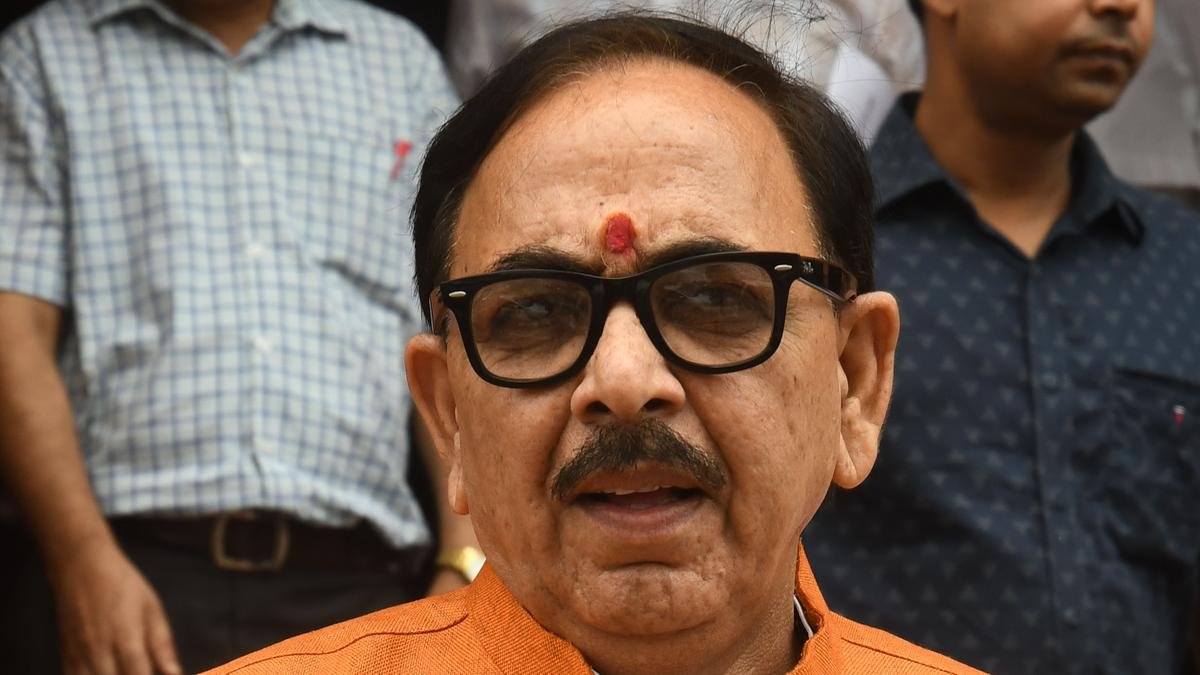

BJP’s push for a new UP party president ahead of the 2027 polls is a time sensitive political development with direct implications for power balance, caste equations, and election strategy in India’s most critical state. The move signals internal recalibration rather than routine organizational change.
The leadership shift discussion comes at a moment when electoral momentum, governance delivery, and cadre management are under close scrutiny in Uttar Pradesh.
Why the BJP Is Considering a Leadership Change Now
BJP’s push for a new UP party president is driven by electoral timing and organizational cycles. With the 2027 assembly elections approaching, the party typically prefers fresh leadership to energize cadres and reset district level coordination. A mid cycle change allows the new president enough time to build influence without the pressure of immediate polls.
Another factor is governance versus organization balance. When the chief minister’s office dominates political messaging, the party organization often requires a stronger counterweight to manage workers, social coalitions, and booth level execution. Recalibration helps avoid fatigue and internal complacency.
The move is also influenced by recent bypoll performances, feedback from ground units, and internal assessments of voter sentiment across regions.
Power Structure Within BJP Uttar Pradesh
Uttar Pradesh BJP operates through a dual power structure. The government handles administration and policy delivery, while the party organization manages elections, social outreach, and cadre discipline. The state president plays a critical role in aligning MPs, MLAs, district presidents, and booth level workers.
A strong party president can consolidate factions, control ticket aspirant pressure, and ensure message discipline. Weak leadership creates parallel power centers and slows decision making. This makes the position strategically important ahead of a high stakes election.
The central leadership closely monitors how effectively the state unit translates national messaging into local action.
Caste and Regional Calculations Behind the Move
Caste arithmetic remains central to Uttar Pradesh politics. BJP’s leadership choices often reflect broader social signaling. A new UP party president could be used to reinforce outreach to specific communities or regions where the party sees vulnerability.
Western UP, Bundelkhand, eastern UP, and central UP each require tailored mobilization strategies. Leadership from a particular region can help strengthen organizational depth where the party needs consolidation.
Caste representation also matters for alliance management and countering opposition narratives. The appointment can be a calculated response to shifting voter alignments observed in recent elections.
Impact on Cadres and Ground Level Organization
For party workers, leadership changes reset expectations. A new state president often reshuffles district units, reviews booth committees, and introduces performance based accountability. This can revive inactive cadres and bring clarity to campaign priorities.
At the same time, transitions can create uncertainty among existing office bearers. Managing this transition smoothly is critical to prevent internal friction. BJP traditionally balances continuity with change by retaining experienced teams while introducing new leadership direction.
The next two years will test how effectively the organization translates leadership change into electoral readiness.
What It Means for the 2027 Assembly Elections
BJP’s push for a new UP party president is ultimately about election preparedness. The 2027 contest will revolve around governance record, welfare delivery, law and order perception, and opposition unity.
A proactive state president can help craft region specific narratives, manage candidate selection disputes early, and coordinate large scale voter outreach. This reduces last minute firefighting during election season.
The move also allows the party to experiment with messaging adjustments based on evolving voter concerns without changing government leadership.
Signals to Allies and Opponents
Leadership reshuffles send signals beyond the party. To allies, it shows BJP’s intent to remain flexible and responsive. To opponents, it indicates strategic seriousness rather than complacency after multiple electoral victories.
Opposition parties will analyze the appointment closely to anticipate BJP’s campaign focus areas. Any perceived internal rift or delay in decision making could be exploited politically.
However, BJP’s centralized decision making structure usually limits prolonged uncertainty.
What to Watch in the Coming Months
The choice of leader will reveal BJP’s priority areas. Background, organizational experience, and regional base will matter more than public visibility. The timing of the announcement will also indicate urgency levels within the party.
Subsequent district level reshuffles, outreach programs, and messaging shifts will provide clearer signals of the 2027 roadmap.
For voters, the change may not have immediate visible impact, but it will influence how effectively the party connects policy delivery with electoral communication.
Takeaways
BJP’s push for a new UP party president is a strategic pre election move
The decision reflects organizational recalibration rather than crisis management
Caste and regional factors will heavily influence the leadership choice
The appointment will shape BJP’s 2027 election preparation
FAQs
Why is the UP party president position important
The state president controls organization, cadre coordination, and election execution across Uttar Pradesh.
Does this mean a change in government leadership
No. The move focuses on party organization, not the chief minister’s position.
Will this affect BJP’s alliance strategy
Indirectly yes, as leadership choices signal outreach priorities and social balancing.
When is the final decision expected
Such decisions are typically announced well ahead of election cycles to allow organizational restructuring.