
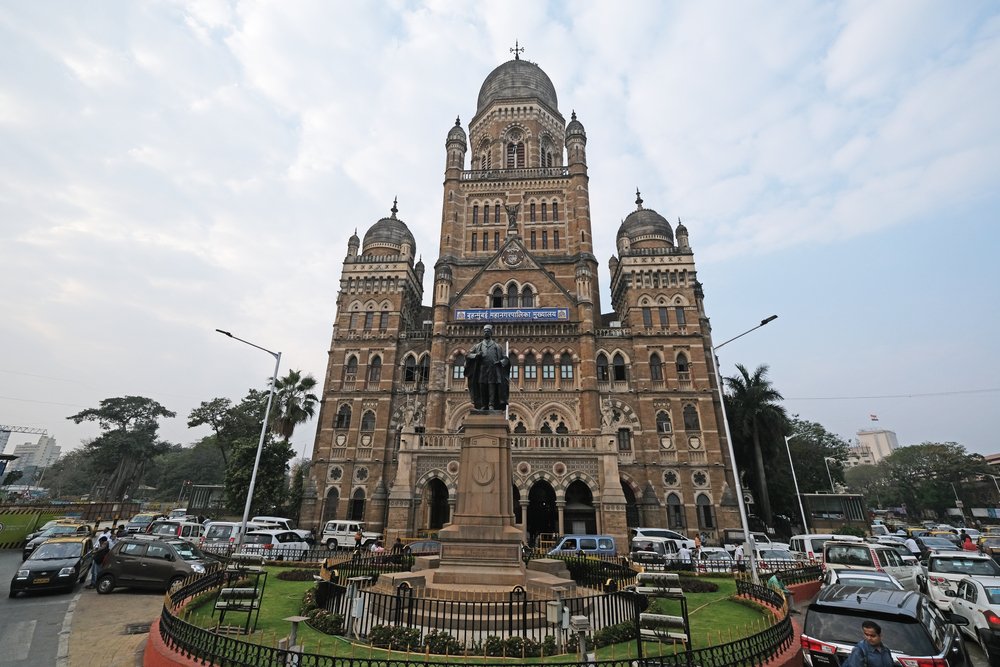

The BMC and Maharashtra municipal poll results mark a turning point for Tier 2 urban politics, redefining local governance priorities, political equations, and voter expectations. These outcomes highlight how civic issues now outweigh traditional party narratives in shaping urban electoral behavior.
The BMC and Maharashtra municipal poll results are time sensitive political developments with direct implications for city governance. This article adopts a news reporting tone to assess outcomes, patterns, and their impact on Tier 2 urban politics across the state.
Voter Priorities Shift Toward Local Governance Performance
One of the clearest signals from the municipal poll results is the shift in voter focus toward everyday civic performance. Issues such as water supply, road quality, waste management, and local health infrastructure dominated ward level campaigns. In Tier 2 cities, voters showed less tolerance for symbolic politics and more emphasis on delivery. Candidates with visible local work, even without strong party backing, performed better than expected in several municipalities. This trend suggests that urban voters increasingly judge leadership through measurable outcomes rather than ideological alignment alone.
Fragmented Mandates and Coalition Driven Councils
The poll results produced fragmented mandates in multiple civic bodies, including key urban centers. No single party sweeping control has forced coalition arrangements and negotiated governance. In Tier 2 cities, this fragmentation reflects diverse urban aspirations and dissatisfaction with centralized decision making. Coalition led councils may slow decision processes initially, but they also compel consensus on local priorities. This environment increases the influence of smaller parties and independents who often represent hyper local interests like neighborhood redevelopment or service access.
Implications for Urban Infrastructure and Project Execution
Municipal corporations control critical urban infrastructure functions, from roads to drainage to local transport planning. The new political configurations will directly affect project execution speed and accountability. In cities where opposition led councils now control standing committees, scrutiny of tenders and project timelines is expected to increase. While this may delay approvals in the short term, it could also reduce unchecked spending. For Tier 2 cities managing rapid population growth, balanced governance could improve planning discipline if political rivalries do not stall decision making.
Decentralization Gains Momentum in Tier 2 Cities
The results reinforce a broader push toward decentralization in Maharashtra urban governance. Tier 2 cities increasingly demand autonomy in budgeting and planning rather than directives from state level leadership. Newly elected representatives have campaigned on promises of ward level development funds and localized decision authority. If implemented, this could improve responsiveness to citizen complaints and reduce bureaucratic lag. However, it also requires stronger administrative capacity at the municipal level to prevent uneven development across wards.
Changing Role of Political Cadres at the City Level
Municipal elections often reflect grassroots organizational strength more than high visibility leadership. The recent results show that city level cadres and ward workers play a decisive role in Tier 2 urban politics. Door to door outreach, complaint resolution, and local presence influenced voter turnout and preference. Parties that invested in consistent local engagement benefited, while those relying on top down campaign messaging underperformed. This shift could force political organizations to rebuild urban networks beyond metropolitan centers.
Impact on Urban Middle Class and First Time Voters
Tier 2 cities have a growing urban middle class and a rising base of first time voters. These groups tend to prioritize transparency, service delivery, and digital access to civic services. Poll outcomes indicate that candidates addressing property tax clarity, online grievance systems, and traffic management resonated strongly. Civic governance narratives are now intertwined with quality of life metrics, pushing municipal leadership to adopt data driven and citizen friendly approaches.
Administrative Continuity Versus Political Change
While political leadership has shifted in several councils, municipal commissioners and administrative officers remain constant. This creates a dynamic where elected representatives must work within existing bureaucratic frameworks. Effective governance will depend on collaboration rather than confrontation. In Tier 2 cities, where administrative resources are limited, stable coordination between political and executive wings is essential to convert electoral mandates into visible improvements.
What This Means Ahead of State and National Elections
Municipal poll outcomes often serve as early indicators of urban sentiment ahead of larger elections. The Maharashtra results suggest that urban voters are willing to separate local governance performance from broader political identity. Parties may need to recalibrate campaign strategies for state and national contests by highlighting urban policy delivery rather than relying solely on leadership narratives. Tier 2 cities, once considered secondary battlegrounds, are emerging as critical opinion drivers.
Takeaways
- Municipal poll results show voters prioritizing civic performance over party symbolism
- Fragmented mandates increase coalition politics and local issue bargaining
- Tier 2 cities are pushing for greater decentralization and ward level control
- Urban middle class voters are reshaping civic governance expectations
FAQs
Why are municipal poll results important for Tier 2 cities?
They directly influence local service delivery, infrastructure planning, and quality of life decisions.
Did any single party dominate Maharashtra municipal polls?
Results were largely fragmented, leading to coalition driven councils in many cities.
How do these results affect everyday citizens?
Council leadership impacts roads, water supply, sanitation, and grievance resolution.
Do municipal elections influence state politics?
Yes, they often reflect early shifts in voter mood and urban priorities ahead of larger elections.