
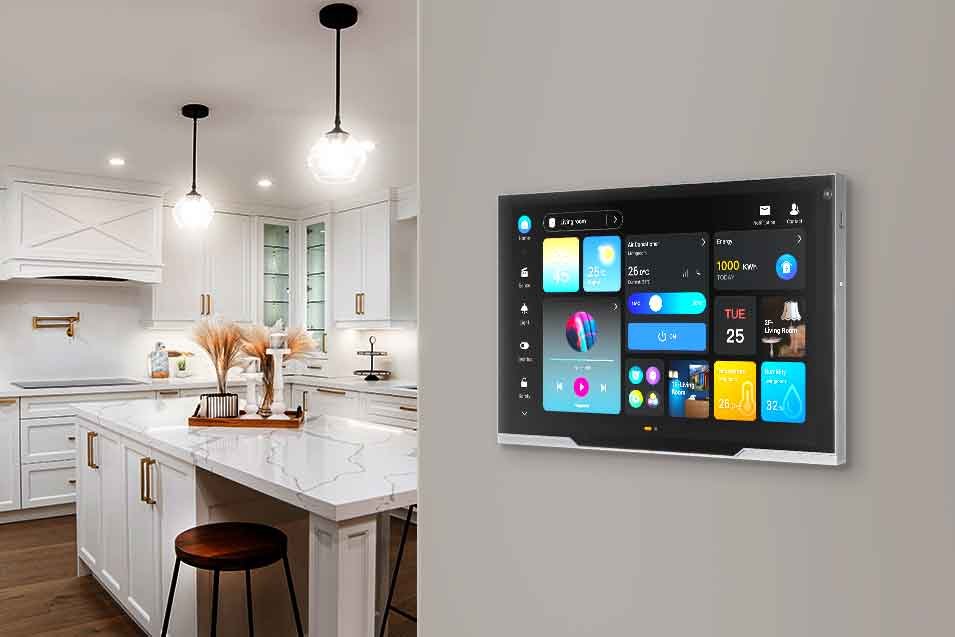

Budget friendly home automation is the main keyword and it is becoming increasingly accessible for families in small towns who want convenience, security and energy savings without overspending. With lower cost devices, simpler installation options and better mobile app control, households can now build practical smart setups that fit 2025 budgets.
Small town users often look for solutions that improve daily routines, reduce electricity bills and offer remote monitoring while working or travelling. Unlike earlier years, smart upgrades no longer require expensive hubs or professional installation. Most devices now work through Wi Fi or Bluetooth and integrate easily with entry level smartphones. Understanding which devices offer maximum value helps families make smarter purchases.
Start with essential devices that offer immediate benefits
The best way to begin home automation on a budget is to start with devices that deliver quick results. Smart LED bulbs are an affordable entry point. They allow users to control brightness, timing and colour using mobile apps. Timers help reduce electricity waste when lights are accidentally left on. These bulbs fit standard sockets and last longer than regular lights.
Smart plugs are another low cost upgrade that turn regular appliances into remotely controlled devices. Users can switch off fans, geysers or kitchen appliances from their phone. For homes where elders or children forget to turn off devices, these plugs provide safety and convenience. They also offer scheduling features that avoid unnecessary electricity use.
Affordable options for improving home security
Smart doorbells and Wi Fi cameras have become significantly cheaper. Many models offer motion alerts, night vision and two way audio. Small towns may not always have round the clock security, making these devices useful for monitoring visitors or deliveries. Cameras placed at the main gate, parking area or front door help families check surroundings even when away.
Smart locks are still costlier but mid range models suitable for Indian homes are emerging. These offer PIN based, fingerprint or mobile app access. For families living in independent houses or rented homes, security cameras and door sensors offer reliable protection at lower cost. Recorded clips stored on cloud or local memory cards provide evidence in case of incidents.
Energy saving devices that reduce electricity bills
Smart fans, smart AC controllers and automated power strips help regulate usage based on room temperature or timing preferences. For small town households with rising electricity bills, these devices provide measurable savings. Remote control options allow users to switch off devices when they step out or adjust settings without overcooling or overheating rooms.
Solar powered outdoor lights and timers for water pumps add further efficiency. Households that rely on manual motor switches can automate pump operation using smart relays. This prevents water overflow and reduces wastage. These changes are particularly effective for homes with water storage tanks.
Voice assistants as the central control system
Low cost voice assistants provide hands free control for lighting, fans, reminders and music. They also integrate with smart plugs and bulbs to create simple routines. For small town families with children or seniors, voice control improves accessibility. Routines like turning off all lights at night or setting morning alarms can be automated with a single command.
Entry level models are affordable and do not require technical knowledge. Most assistants work with multiple apps, allowing users to control devices from different brands without replacing existing equipment. This flexibility supports gradual expansion of the smart home setup.
Smart entertainment improvements for daily comfort
Smart TVs have become common, and older televisions can be upgraded using budget friendly streaming sticks. These allow voice search, app based control and parental filters. For families who watch regional content, streaming devices improve access to OTT platforms and reduce dependence on cable packages.
Bluetooth speakers with built in assistants help manage calls, music and reminders. Small town homes hosting festivals or gatherings can benefit from portable speakers with long battery life. These entertainment upgrades improve convenience without requiring major investments.
Network and connectivity considerations for small homes
Reliable Wi Fi is essential for smart devices. Many small town homes rely on basic broadband plans. A simple upgrade to dual band routers improves coverage and reduces signal drop. Extenders help cover larger homes or multi floor structures. Before buying devices, households should check compatibility with existing networks.
Most entry level smart devices work well with standard internet speeds. Even if connectivity fluctuates, core functions like scheduled lighting or local storage in cameras continue to operate. Keeping the Wi Fi router centrally located ensures better performance for all connected devices.
How to plan a budget friendly smart home in phases
Households should avoid buying everything at once. A phased plan helps manage costs and ensures only useful devices are purchased. Phase one can include bulbs, plugs and basic security cameras. Phase two can add voice assistants, smart controllers and motion sensors. Phase three can focus on entertainment upgrades and advanced devices like smart locks.
Comparing prices across retailers and checking seasonal sales helps reduce costs. Many brands offer bundle packs that lower per device pricing. Families can also share access with members through apps, making it easier for everyone to control devices from their phones.
Long term value of adopting smart automation in small towns
Smart devices help families save electricity, enhance security and reduce manual tasks. Over time, the convenience becomes part of daily routine. Automated schedules reduce dependency on external help for simple tasks like switching off pumps or adjusting lighting. For working professionals and students, remote access offers peace of mind during travel or busy days.
As more devices become localised for Indian conditions, compatibility and durability will improve. Small town households can adopt automation at a pace that suits their budget while enjoying benefits typically associated with high end urban homes.
Takeaways
Smart bulbs, plugs and cameras offer affordable entry points
Energy saving devices reduce bills and increase daily convenience
Voice assistants simplify control without technical skills
A phased approach makes smart upgrades manageable
FAQ
Are smart home devices suitable for small town internet speeds
Yes. Most entry level devices work well with basic broadband and continue core functions even during minor connectivity drops.
Can smart automation reduce electricity bills
Yes. Timers, smart controllers and efficient LED bulbs help optimise usage and reduce wastage.
Is installation difficult for beginners
No. Most devices are plug and play and come with simple mobile app instructions suitable for first time users.
Do users need to buy all devices at once
No. A phased approach allows gradual upgrades based on budget and priority needs.