
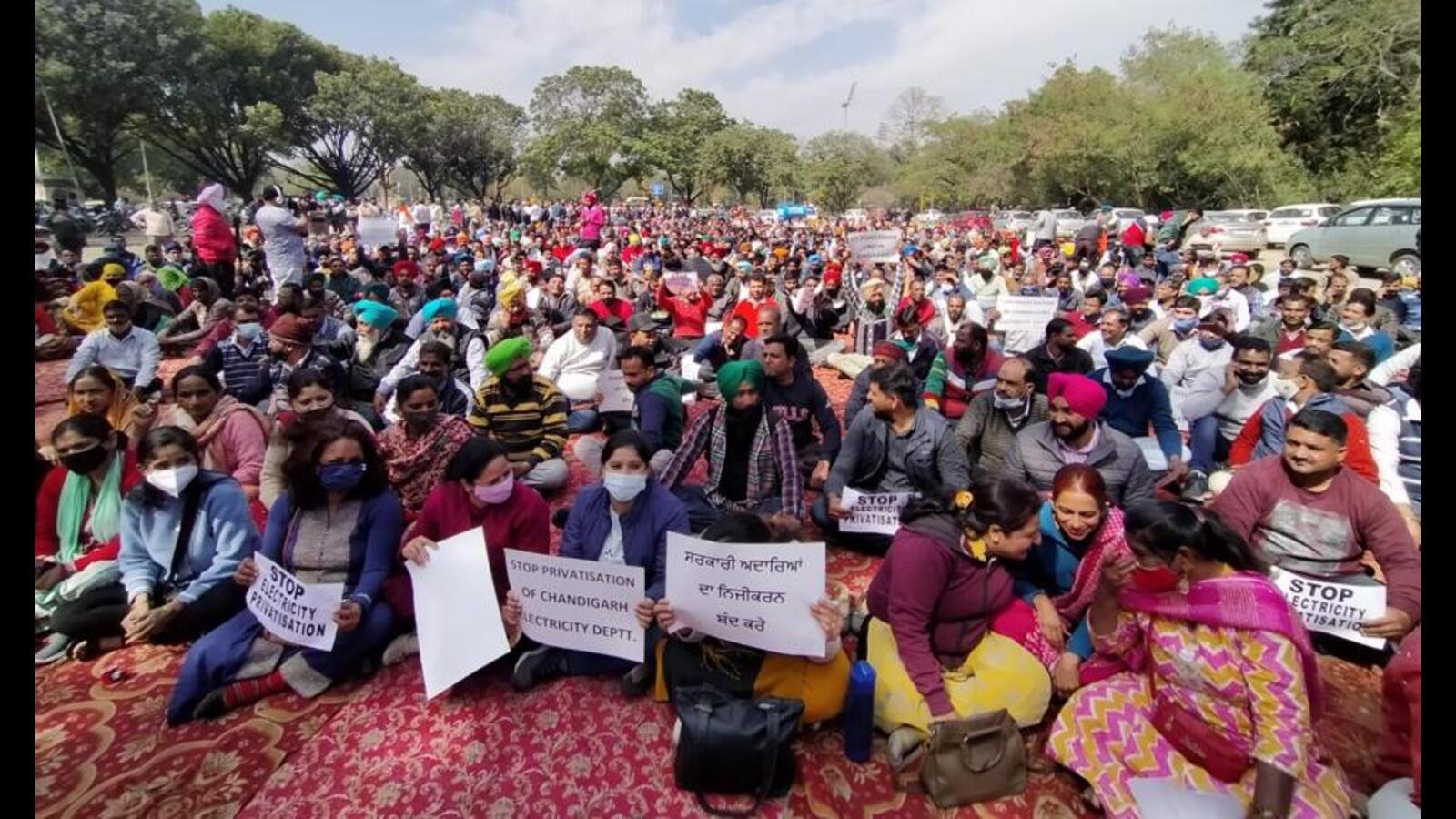

Chandigarh civic services are facing visible strain as UT employee strikes disrupt routine administration across the city. From municipal operations to public grievance handling, the impact is being felt in multiple departments, slowing daily workflows for residents and businesses.
The UT employee strike in Chandigarh has affected key civic services including sanitation management, public counters, and certain administrative offices. While essential services such as hospitals and core utilities continue to function, operational efficiency has declined in several sectors. Authorities have deployed contingency measures, but normalcy depends on resolution between employee unions and administration.
Municipal Services and Sanitation Operations
One of the immediate effects of the Chandigarh UT employee strike is pressure on municipal services. Sanitation workers form the backbone of waste collection and city cleanliness. Even partial absenteeism can delay garbage lifting schedules across residential sectors.
In several parts of the city, waste collection frequency has been reduced or rescheduled. Resident Welfare Associations have reported minor backlogs in specific sectors. Although the administration aims to prioritize high density areas, uneven coverage has been noticed.
Public sanitation complaints, usually handled through civic helplines and on ground inspection teams, are seeing slower response times. Without full staffing, issue resolution takes longer than usual.
Water Supply and Electricity Remain Operational
Chandigarh civic services include critical infrastructure such as water distribution and electricity management. These fall under essential categories and continue to operate during the UT employee strike.
Pumping stations, treatment plants, and power substations are typically maintained by technical staff who are often categorized as essential. However, non urgent maintenance and field inspections may face delays.
Consumers requiring meter related corrections, billing clarifications, or new connection processing could experience slower turnaround. Online payment portals and digital grievance systems remain active, offering some relief to residents.
Public Health and Government Hospitals
Government hospitals and primary health centers in Chandigarh are functioning, though administrative desks may have limited staff. Clinical operations and emergency services continue as priority services.
Patients visiting for routine documentation, medical certificates, or administrative approvals may encounter longer waiting times. However, emergency care, ambulance services, and inpatient treatment remain unaffected.
Public health programs such as vaccination drives and essential disease control measures are typically insulated from strike related disruption, but scheduling flexibility may be necessary.
Impact on Public Offices and Citizen Services
Several public facing offices under the Union Territory administration have seen reduced staffing during the strike. This includes departments handling land records, licensing, and routine public documentation.
Residents visiting for certificates, registrations, or approvals may find counters operating with skeleton staff. Token based systems are being used in some offices to manage queues.
Online services play a crucial role in maintaining continuity. Many departments now offer application submission and tracking through digital portals. Citizens relying solely on physical visits may face inconvenience.
For businesses, delays in permits or approvals can affect short term operations, especially in construction and trade sectors.
Public Transport and Traffic Regulation
Chandigarh transport services are partially affected depending on the level of participation in the UT employee strike. Bus operations may run at reduced frequency if depot staff or drivers join the protest.
Auto rickshaw and private transport services are operating, but increased demand during bus shortages can lead to higher travel time and cost.
Traffic police deployment has been strengthened in key intersections to prevent congestion, especially near protest sites. Authorities are monitoring public movement to avoid major disruption.
Law enforcement presence has been visible to maintain order and ensure that essential services are not obstructed.
Administrative Response and Contingency Planning
The Chandigarh administration has activated contingency plans to manage essential civic services during the UT employee strike. Senior officials are coordinating with department heads to ensure minimal disruption.
Temporary task redistribution within departments is being used to cover critical functions. However, prolonged strikes can strain these arrangements.
Dialogue between employee unions and administration is central to restoring full normalcy. Until then, residents are advised to use digital platforms, avoid non urgent visits to public offices, and monitor official advisories.
While the city is not completely halted, the slowdown highlights how dependent urban governance is on coordinated employee participation.
Takeaways
• Sanitation and municipal services are the most visibly affected during the strike
• Essential services like hospitals, water, and electricity continue functioning
• Public counters and administrative offices operate with reduced staff
• Digital platforms are the most reliable channel for civic transactions during disruption
FAQs
Q1: Are hospitals closed during the Chandigarh UT employee strike?
No. Government hospitals and emergency services continue to function as essential services.
Q2: Is garbage collection completely stopped?
Not completely. Collection may be delayed or rescheduled in some sectors depending on staff availability.
Q3: Can residents still pay utility bills?
Yes. Online portals and digital payment systems remain operational even if physical counters have limited staff.
Q4: Is public transport fully suspended?
Bus frequency may be reduced, but transport is not entirely suspended. Private transport options remain available.