
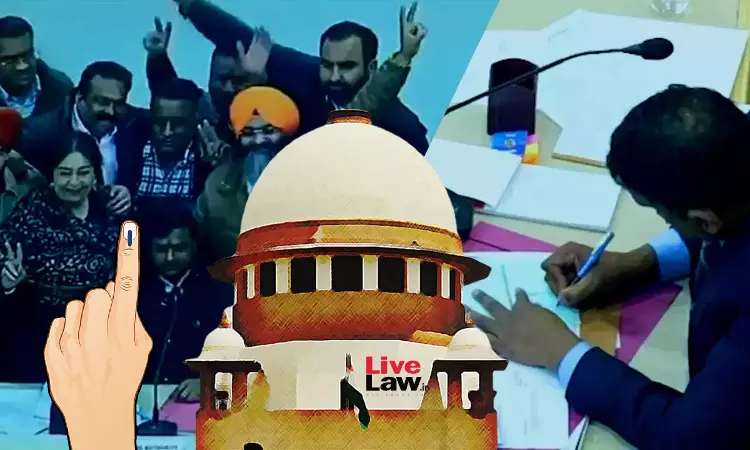

The Chandigarh mayoral election has shifted to a show of hands voting method, marking a time sensitive civic development with direct implications for urban local governance in a Tier-2 city. The change has triggered debate around transparency, accountability, and the evolving nature of municipal electoral reforms.
The intent of this topic is news reporting with a governance and civic reform focus. Since the voting method has already been altered for the ongoing electoral process, the tone remains factual, analytical, and impact oriented rather than opinion based.
What the Show of Hands Voting Method Means
The show of hands voting method replaces secret ballot voting in the election of the city mayor. Under this system, councillors publicly raise their hands to indicate their vote, making individual choices visible to all present in the council session.
This method is often justified on grounds of transparency and procedural simplicity. It removes ambiguity around vote counting and eliminates disputes related to invalid or tampered ballots. However, it also removes anonymity, which has traditionally protected voters from pressure or political consequences.
In Chandigarh’s case, the shift represents a significant procedural change in how urban leadership is selected, especially for a city that serves as a joint capital and administrative model.
Why the Voting Shift Has Drawn Attention
The mayoral election in Chandigarh has been under close observation due to past controversies around ballot handling and vote counting. The move to show of hands voting is seen as a response to these concerns, aimed at ensuring visible and verifiable outcomes.
Supporters argue that public voting strengthens accountability, as elected councillors must openly stand by their political positions. Critics counter that it exposes councillors to coercion, party pressure, and political retaliation, especially in tightly contested councils.
For a Tier-2 city like Chandigarh, such procedural changes carry weight because they can influence how other urban local bodies approach governance reforms.
Impact on Councillors and Voting Independence
One of the most immediate implications of show of hands voting is its effect on councillor independence. When votes are cast publicly, individual councillors lose the protection of secrecy.
This can discourage cross voting or independent decision making, particularly in councils where party whips are strong. Councillors may feel compelled to vote along party lines even if local considerations suggest otherwise.
In municipal governance, where local issues often cut across party ideology, the loss of voting anonymity can reduce flexibility and limit consensus building across political groups.
Transparency Versus Pressure in Urban Governance
Transparency is often cited as the main benefit of show of hands voting. Citizens can clearly see how their representatives vote, which can strengthen public trust if used responsibly.
However, transparency must be balanced against the risk of undue influence. Urban local governance thrives on deliberation, negotiation, and compromise. When every vote is public, councillors may prioritise political survival over civic outcomes.
In smaller councils, interpersonal relationships and political affiliations play a stronger role. Public voting can intensify these dynamics, making governance more rigid and adversarial.
Legal and Procedural Framework Behind the Change
The shift to show of hands voting is grounded in municipal procedural rules that allow different voting methods based on circumstances. Election authorities have argued that the method is legally valid and administratively sound.
However, legal validity does not automatically ensure democratic robustness. The procedural framework must also protect fairness, freedom of choice, and representative decision making.
Urban local bodies operate under state specific municipal laws. How these laws are interpreted and applied sets precedents that other cities may follow.
What This Means for Tier-2 City Civic Reforms
Chandigarh’s decision has wider implications for Tier-2 cities across India. These cities often serve as testing grounds for governance reforms due to their manageable size and political visibility.
If show of hands voting is seen as effective and dispute free, other municipal corporations may adopt similar methods for mayoral or committee elections. Conversely, if the method leads to increased political tension or governance gridlock, it may reinforce the importance of secret ballots.
Tier-2 cities face unique challenges such as rapid urbanisation, limited resources, and high citizen expectations. Electoral processes must support stable leadership and inclusive decision making to address these issues.
Public Perception and Citizen Trust
For residents, the mayoral election process influences trust in local governance. Public voting can reassure citizens that procedures are open and observable. At the same time, visible political pressure can raise concerns about fairness.
Citizen engagement in municipal affairs remains low in many Tier-2 cities. Procedural changes should ideally encourage interest and participation rather than deepen cynicism.
Clear communication from authorities about why changes are made and how they serve public interest is critical to maintaining trust.
Administrative Efficiency and Future Governance
From an administrative perspective, show of hands voting is quicker and easier to conduct. It reduces logistical complexity and eliminates recount disputes.
However, efficiency should not come at the cost of democratic safeguards. Urban governance requires not just speed, but legitimacy and broad acceptance among stakeholders.
How Chandigarh’s new mayor navigates governance under this changed electoral method will shape perceptions of its effectiveness.
Long Term Implications for Urban Democracy
The Chandigarh mayoral election highlights a larger question facing urban democracy. Should transparency override secrecy in internal elections, or should voter protection remain paramount?
The answer may differ based on political context, council composition, and governance maturity. What is clear is that electoral reforms must be evaluated not only on immediate outcomes but also on their long term impact on democratic culture.
Chandigarh’s experience will likely inform debates on municipal governance reforms in other states.
Takeaways
Show of hands voting replaces secret ballots in Chandigarh mayoral election
The move aims to increase transparency but raises concerns over voting pressure
Councillor independence may be affected by public voting methods
The decision could influence civic electoral reforms in other Tier-2 cities
FAQs
What is show of hands voting in a mayoral election?
It is a public voting method where councillors raise their hands to indicate their choice instead of using secret ballots.
Why was the voting method changed in Chandigarh?
The change aims to reduce disputes and ensure visible vote counting following past procedural controversies.
Does show of hands voting reduce transparency issues?
It improves visibility of votes but may introduce pressure on councillors, affecting independent decision making.
Can other cities adopt the same method?
Yes. Municipal laws allow flexibility, and Chandigarh’s experience may influence similar reforms elsewhere.