
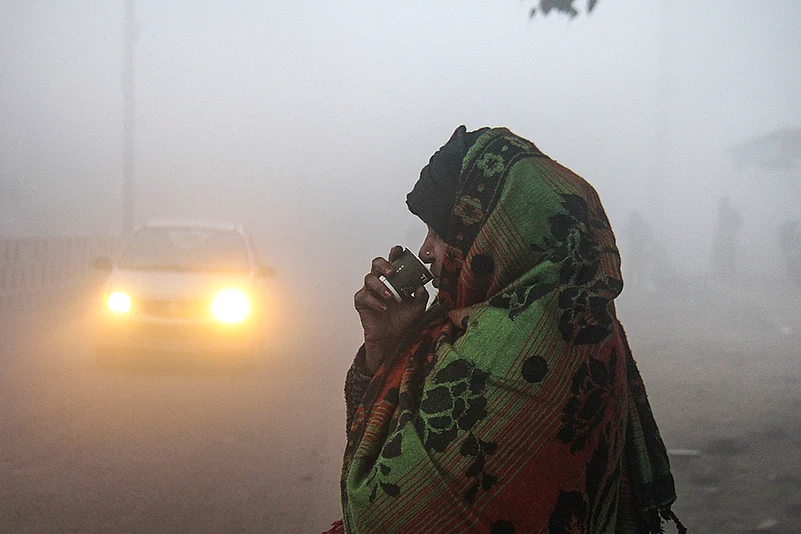

A cold wave alert across Bihar, Madhya Pradesh, and Punjab has intensified winter disruption in small towns, leading to school closures, transport delays, and income losses for daily wage earners. This is a time sensitive news development as fog and low temperatures continue to affect mobility, education schedules, and local livelihoods.
The intent of this topic is news reporting with a strong public impact focus. As weather warnings remain active and conditions are evolving daily, the tone stays factual, ground level, and impact driven.
Cold Wave Conditions Tighten Grip on Small Towns
Cold wave alert warnings issued for large parts of Bihar, MP, and Punjab indicate sustained low temperatures well below seasonal averages. Night temperatures in several districts have dropped sharply, while dense fog during early morning hours has reduced visibility on highways and rail routes.
Unlike major cities where infrastructure absorbs some disruption, small towns face immediate consequences. Limited heating facilities, dependence on early morning travel, and outdoor occupations make residents more vulnerable. In districts across north Bihar, central MP, and rural Punjab, cold day conditions have also been reported, where daytime temperatures remain unusually low.
Weather authorities have advised caution during early hours, especially for elderly people, children, and those working outdoors.
School Closures and Changes in Academic Schedules
One of the first visible impacts of the cold wave alert has been the closure of schools in affected districts. Local administrations in multiple towns have ordered temporary suspension of classes or delayed school timings to protect children from extreme cold and fog exposure.
In government schools, attendance typically drops sharply during cold spells due to lack of transport and winter gear. Private schools have also shifted to shorter class hours or online instruction where possible.
For students preparing for board exams and competitive tests, repeated disruptions affect syllabus completion and revision cycles. Parents in small towns, many of whom rely on schools as daytime supervision while they work, face additional challenges in managing childcare.
Transport Disruptions Affect Daily Commutes and Trade
Fog and cold wave alerts have significantly disrupted transport services. In Bihar and Punjab, early morning trains have faced delays due to low visibility, impacting passengers travelling for work, education, and healthcare.
State road transport buses in several districts have either reduced frequency or delayed departures. Highway traffic has slowed, increasing travel time between towns and nearby cities. In MP, fog-prone stretches connecting industrial and agricultural belts have seen reduced movement of goods.
For small traders and farmers, delayed transport affects supply chains. Perishable goods reach markets late, lowering prices and increasing losses. Transport disruptions ripple through local economies that depend on daily movement rather than storage.
Impact on Local Livelihoods and Daily Wage Earners
The cold wave alert has a direct economic impact on livelihoods in small towns and rural areas. Daily wage workers, construction labourers, street vendors, and delivery workers are among the most affected.
Outdoor work hours shrink due to extreme cold and fog. In many towns, construction activity slows or stops entirely during peak cold days. Street markets open late and close early, reducing sales volumes.
Agricultural labour also suffers. Frost risk and cold stress affect crops like vegetables and pulses, while fog delays harvesting and transport. For households dependent on daily earnings, even a few days of disruption strain finances.
Healthcare Concerns Rise During Prolonged Cold Spells
Cold wave conditions lead to a rise in health issues, especially respiratory infections, joint pain, and hypothermia risks among vulnerable populations. Small town hospitals and primary health centres report increased footfall for cold related ailments.
Elderly people living alone and families without adequate heating arrangements face higher risk. In rural areas, limited access to warm clothing and proper shelter worsens exposure.
Health departments have advised precautions such as avoiding early morning exposure, keeping children warm, and seeking medical help for prolonged symptoms. However, awareness remains uneven across regions.
Administrative Measures and Local Preparedness
District administrations in Bihar, MP, and Punjab have activated winter response measures following the cold wave alert. These include school advisories, public announcements, and coordination with transport departments.
Night shelters for the homeless have been strengthened in some towns, while local bodies distribute blankets where possible. However, coverage remains limited, especially in smaller municipalities.
Officials have urged residents to follow weather bulletins and avoid unnecessary travel during peak fog hours. Coordination between weather warnings and local enforcement plays a key role in reducing accidents and disruptions.
Fog Alerts and Road Safety Challenges
Dense fog accompanying the cold wave has increased road safety risks. Visibility in some areas drops to dangerously low levels during early mornings, leading to higher chances of collisions.
Small town roads often lack adequate signage, lighting, and fog sensors, making travel riskier than on national highways. Two wheeler riders and pedestrians face the highest danger.
Authorities have advised use of fog lights, reduced speed, and postponement of non-essential travel. Despite advisories, economic necessity forces many to travel, underlining the need for stronger safety infrastructure.
Short Term Outlook and What Residents Can Expect
Weather models indicate that cold wave conditions may persist for several days, with gradual improvement expected only after temperature patterns stabilise. Fog intensity may fluctuate daily based on wind and humidity.
Residents in affected towns should prepare for continued disruptions. Schools may extend closures, transport delays may continue, and outdoor work could remain limited.
Monitoring local advisories and adjusting routines accordingly remains the most effective way to reduce risk.
Takeaways
Cold wave alert has disrupted schools transport and livelihoods in small towns
Fog and low temperatures are affecting daily wage workers the most
School closures and delayed transport strain families and local economies
Continued vigilance is needed as cold conditions may persist
FAQs
Why are small towns more affected by cold wave alerts?
Limited infrastructure, dependence on early travel, and outdoor livelihoods increase vulnerability compared to big cities.
Are school closures uniform across all districts?
No. Closures and timing changes are decided at district level based on local conditions.
How does fog impact transport services?
Low visibility leads to train delays, reduced bus services, and slower road traffic, affecting commuters and trade.
What precautions should residents take during cold wave conditions?
Avoid early morning travel, keep children and elderly warm, and follow local weather advisories closely.