
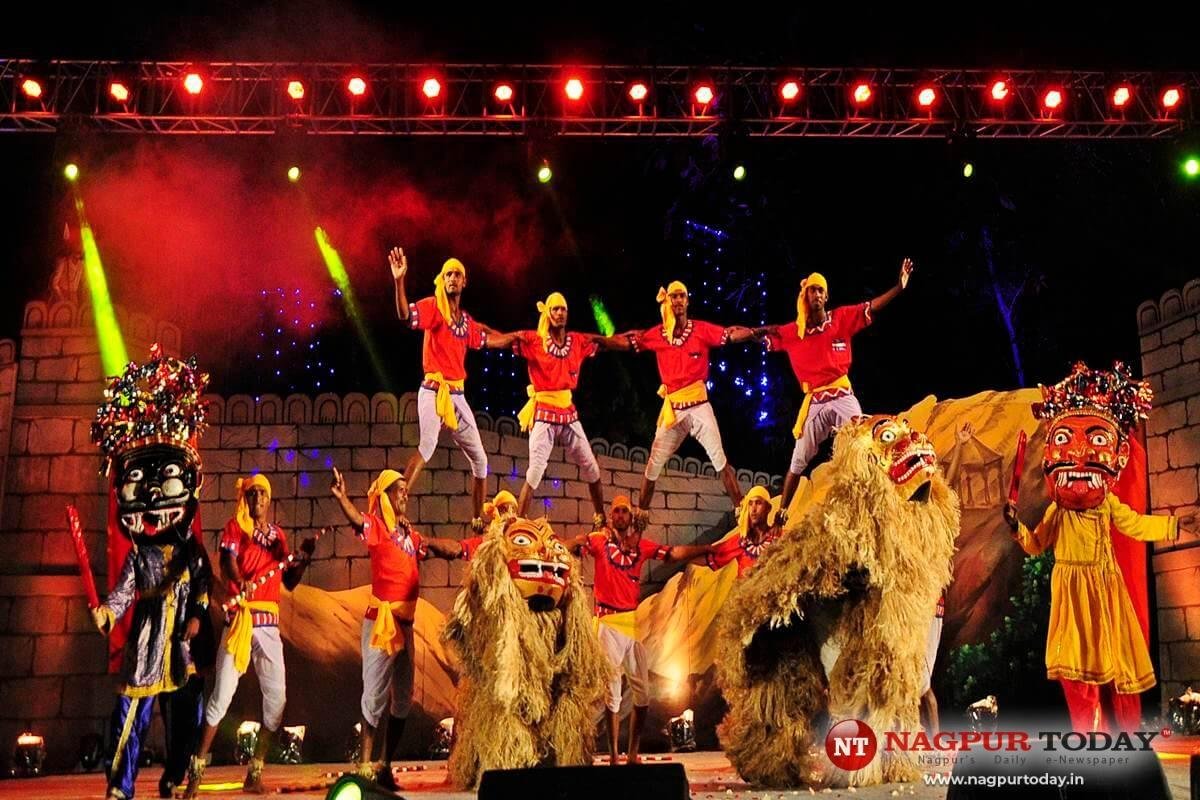

A strategic cultural intervention in the form of the Orange City Literature Festival (OCLF) is shifting Nagpur’s identity from a regional city into a rising knowledge centre. The main keyword here is Orange City Lit Fest, and the story explores how culture and commerce combine to elevate a Tier-2 city’s profile.
The festival’s latest edition drew high participation, signalling deeper shifts in urban branding, creative economy and real-estate dynamics in non-metro cities. At its core this is a news-style piece—reporting on a timely event and drawing out wider implications for regional development.
A growing festival becomes a city-level anchor
The Orange City Literature Festival in Nagpur has expanded significantly: from modest beginnings to hosting over 100 authors and 140 events in its recent edition. Such scale in a Tier-2 city shows ambition and connectivity. Local organisers position the festival not just as a literary gathering but as a “think-tank” for ideas and cultural enterprise. By drawing attendees from across states, the festival boosts visitor footfall, local hospitality demand and ancillary economic activity—linking creative culture with commercial benefit. For Nagpur, often known as the “Orange City” due to its orange trade, the lit-fest adds a new dimension to the city’s brand.
How knowledge economy links to urban commerce
When a city hosts a major literary festival, several commercial layers activate: hotels and guest houses fill up, cafes and B2B event services see bookings, local authors and publishers gain platform, and creative-industry jobs expand. Nagpur’s festival triggers these. Real-estate promoters cite such landmark events as signals of city dynamism, which can influence leasing decisions for co-working spaces, media studios or boutiques. The lit-fest acts as both a cultural moment and a commercial barometer: it tells investors, brands and talent that this city is more than regional—it’s gearing up for creative-knowledge growth.
Why Tier-2 cities like Nagpur matter for the knowledge hub narrative
Metro cities are already saturated with festivals, co-working hubs and creative economies. Tier-2 cities offer opportunity. Nagpur, centrally located and with existing infrastructure, leverages the lit-fest to attract national level authors, intellectuals and audiences. This in turn creates a local talent ecosystem: colleges, creative agencies, student volunteers, regional media all get involved. The result: the city shifts perceptions from manufacturing or agriculture to intellect, culture and services. Such repositioning is strategic. For local youth it means exposure and opportunity; for the city it means elevated status and diversified economy.
Challenges and considerations in blending culture and commerce
However, turning a festival into sustainable city-level momentum is not automatic. Challenges include maintaining quality year after year, ensuring value for local stakeholders (not just visiting celebrities), and converting one-off buzz into local industry. Infrastructure must scale: transport, lodging, event management must meet increased demand. For the knowledge-hub narrative to stick, Nagpur needs follow-through: maker spaces, publishing clusters, year-round creative events, industry linkages. Without this, the lit-fest remains a standout annual event rather than a structural shift.
What this signals for urban development and regional branding
The Nagpur example offers a blueprint for other Tier-2 cities. Cultural festivals can act as catalysts for broader economic diversification. Urban planners, developers and city administrations can support such events with policy, logistics, and infrastructure. When culture meets commerce, cities can reposition themselves—not merely as regional markets, but as emerging knowledge hubs. For brands and investors, such signals matter: they look for cities with identity, footfall, professional services and creative energy. Nagpur’s lit-fest signals all of these.
Takeaways
• Hosting a major literary festival can shift a city’s brand from regional to knowledge-centric.
• Cultural events bring measurable commercial spin-offs: hospitality, event services, creative jobs.
• Tier-2 cities like Nagpur have unique opportunity as less crowded but capable knowledge hubs.
• One festival is a start—but sustained infrastructure, industry linkages and local ecosystems determine lasting impact.
FAQs
What makes the Orange City Lit Fest significant for Nagpur?
Its scale, national author participation and variety of sessions mark Nagpur as an emerging locus of ideas beyond its traditional economic base.
Can one festival really change a city’s economic outlook?
It can act as a trigger—drawing attention and investment—but lasting change requires follow-up infrastructure, year-round activity and ecosystem building.
How do local businesses benefit from such festivals?
Hotels, cafes, event vendors, transport and local media gain increased demand; emerging local talent (writers, moderators) also gain exposure.
Are similar strategies applicable to other Tier-2 cities?
Yes—cities with decent connectivity, education infrastructure and local ambition can use cultural events to amplify their positioning as knowledge hubs.