
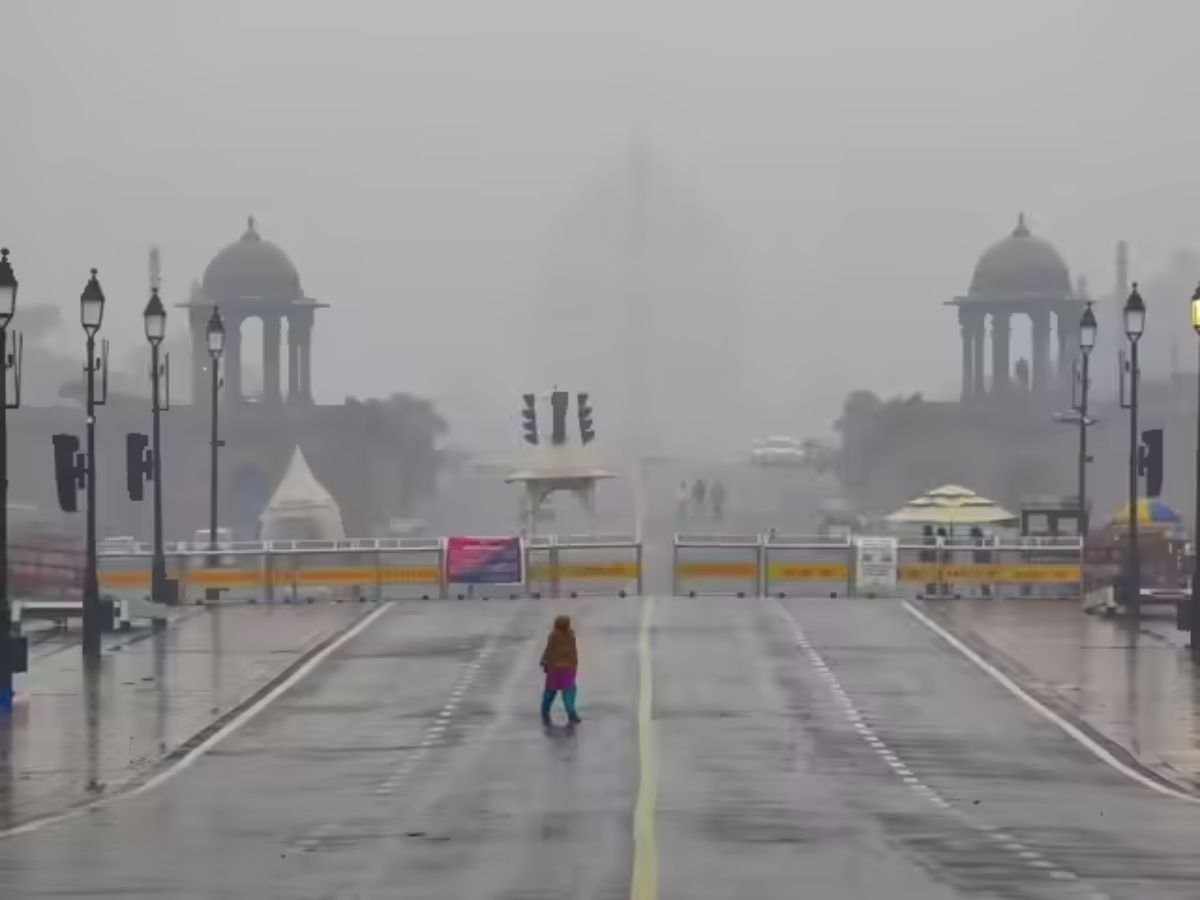

Delhi and North India weather disruptions are intensifying due to active western disturbances, triggering IMD alerts and affecting daily life across multiple states. Rain, dense fog, snowfall and cold wave conditions are disrupting schools, road transport, rail movement and flight operations through January 27.
This report explains the current IMD weather alerts, expected conditions over the next few days and how schools, transport systems and local administrations across North India are responding to the evolving situation.
IMD Alerts and Weather Pattern Behind the Disruptions
Delhi and North India weather disruptions are being driven by a series of western disturbances moving across the region. These systems are bringing moisture laden winds, resulting in rain over plains and snowfall in higher altitudes.
IMD has issued yellow and orange alerts for several states, indicating moderate to significant weather impact. The affected region includes Delhi, Haryana, Punjab, Rajasthan, western Uttar Pradesh, Himachal Pradesh, Uttarakhand and parts of Jammu and Kashmir.
Day temperatures have dropped below seasonal averages in many areas, while night temperatures continue to remain low. Dense fog during early morning and late night hours has added to travel risks, particularly in the Indo Gangetic plains.
Impact on Schools and Educational Institutions
Schools across parts of North India are experiencing disruption due to weather conditions. In several districts, local administrations have announced delayed opening hours or temporary closures, especially for primary classes.
Cold wave conditions and poor visibility during morning hours are key reasons behind these decisions. In hill states, snowfall has led to closure of schools in affected blocks due to road accessibility and safety concerns.
Private schools are also adjusting schedules, shifting to online classes where possible. Competitive exam aspirants and college students are facing attendance and travel challenges, particularly in semi urban and rural areas.
Parents are advised to track district level announcements rather than relying on state wide assumptions, as decisions vary depending on local conditions.
Road, Rail and Air Transport Disruptions
Transport systems across Delhi and North India are under pressure as weather conditions worsen. Dense fog has reduced visibility on highways, leading to slower traffic movement and increased accident risk during night and early morning hours.
Rail services are facing delays on multiple routes passing through northern states. Trains are running behind schedule due to safety protocols related to fog and track visibility. Passengers are advised to check updated timings before travel.
Air traffic at major northern airports has also been impacted. Low visibility operations are in place during fog hours, resulting in delayed departures and arrivals. Smaller regional airports are more vulnerable to weather related disruptions due to limited navigation infrastructure.
Snowfall and Hill Area Conditions
Hill districts in Himachal Pradesh and Uttarakhand are experiencing moderate to heavy snowfall. Snow accumulation has led to temporary road closures, especially on higher altitude routes and tourist corridors.
Local authorities have restricted movement on certain stretches and advised tourists to avoid unnecessary travel. Power supply disruptions have been reported in some remote areas due to snow loaded lines and access issues.
Tourism activity has slowed down, with cancellations reported in popular hill destinations. Rescue and road clearance teams remain on standby as snowfall is expected to continue intermittently through the forecast period.
Agricultural and Local Economy Effects
Weather disruptions are also affecting agriculture and local economies. Rain and hail risk in parts of Punjab, Haryana and western Uttar Pradesh has raised concerns among farmers, particularly for standing wheat and mustard crops.
Cold wave conditions are impacting daily wage workers and informal sector employment in urban and semi urban areas. Construction activity has slowed, and outdoor work hours have been reduced in many locations.
Local markets are witnessing lower footfall during extreme weather days, affecting small traders and transport dependent businesses.
Administrative Response and Preparedness Measures
State and district administrations across North India are coordinating responses to manage the disruptions. Emergency services, traffic police and municipal bodies are on alert to handle accidents, road blockages and power supply issues.
Public advisories have been issued urging people to avoid unnecessary travel during peak fog hours. Health departments are also monitoring cold related illnesses, particularly among vulnerable populations.
School authorities have been asked to remain flexible with attendance and examinations where weather conditions pose safety risks. Local disaster management units are actively tracking IMD updates for real time decision making.
Weather Outlook Through January 27
According to IMD forecasts, unsettled weather conditions are expected to persist through January 27. Rainfall activity over plains and snowfall over higher elevations may continue intermittently.
Fog intensity is likely to remain high during early mornings in Delhi, Uttar Pradesh, Haryana and Punjab. Temperatures may see slight variation but overall cold conditions are expected to continue.
Residents are advised to follow official advisories, monitor daily weather updates and plan travel accordingly. Conditions may improve gradually after the current system weakens, but short term disruptions are expected to continue.
What Residents Should Watch Closely
People living in affected areas should keep track of district specific alerts rather than general forecasts. School notifications, transport updates and power supply advisories may change daily based on evolving conditions.
Those planning long distance travel should build buffer time into schedules. Farmers should stay alert for hail or rain warnings and take protective measures where possible.
Timely information and caution remain key to managing the impact of ongoing weather disruptions.
Takeaways
- IMD alerts are active across Delhi and North India through January 27
- Schools and colleges are adjusting schedules due to cold wave and snowfall
- Fog and rain are causing delays in road, rail and air transport
- Weather conditions are expected to remain unstable for the next few days
FAQs
Are schools closed across all of North India?
No. School closures or delays depend on district level decisions based on local weather conditions.
Is air travel safe during dense fog conditions?
Flights operate under low visibility protocols, but delays and cancellations are possible.
Will snowfall continue in hill states till January 27?
Intermittent snowfall is expected in higher altitude areas during this period.
When can weather conditions improve?
Gradual improvement is expected after January 27, subject to weakening of current weather systems.