
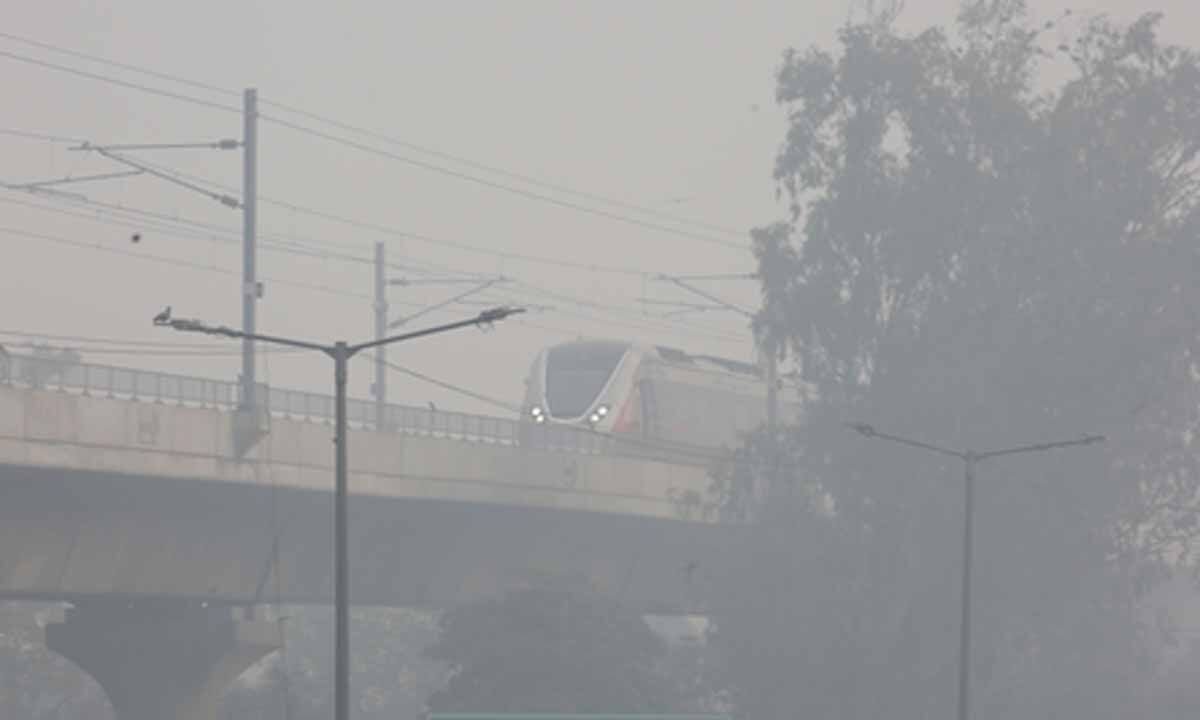

Delhi NCR AQI crisis has intensified as pollution levels surged into the severe category, triggering GRAP 4 restrictions and leading to a noticeable rise in hospital admissions. Authorities have enforced emergency measures to limit further deterioration while residents face immediate health and mobility challenges.
This topic is time sensitive news reporting. The article below focuses on current actions, health impact, and practical updates for residents.
What Triggered GRAP 4 Restrictions in Delhi NCR
GRAP 4 is the strictest stage of the Graded Response Action Plan, activated when AQI crosses the severe threshold for a sustained period. In Delhi NCR, a combination of low wind speed, temperature inversion, dense fog, and local emission sources caused pollutant concentration to rise sharply.
Under GRAP 4, construction and demolition activities are halted, non essential diesel vehicles face restrictions, and industrial operations contributing to emissions are curtailed. Schools and offices are advised to reduce physical attendance where possible.
Authorities moved to GRAP 4 after forecasting agencies warned that pollution dispersion conditions would remain unfavorable. The decision aims to prevent further spikes rather than reverse pollution overnight.
Current AQI Situation Across the NCR Region
Air quality readings across Delhi, Noida, Ghaziabad, Gurugram, and Faridabad have consistently remained in the severe or very poor range. Fine particulate matter is the dominant pollutant, posing significant respiratory risk.
Morning and late evening hours have recorded the worst conditions due to fog and low boundary layer height. Visibility has dropped in several pockets, affecting road safety and outdoor activity.
While localized variations exist, the overall regional trend indicates widespread pollution rather than isolated hotspots. Relief depends largely on meteorological changes such as stronger winds or rainfall, which are currently uncertain.
Rising Hospital Admissions and Health Impact
Hospitals across Delhi NCR have reported an increase in patients with breathing difficulty, chest tightness, eye irritation, and aggravated asthma symptoms. Emergency rooms are seeing higher footfall from children, elderly individuals, and people with pre existing respiratory or cardiac conditions.
Doctors report that prolonged exposure even for healthy adults can trigger fatigue, headaches, and throat irritation. Patients are being advised to limit outdoor movement and strictly follow medication schedules.
The healthcare system is managing the surge, but medical professionals emphasize prevention over treatment during severe AQI phases. Mask usage and indoor air protection are being strongly recommended.
Key GRAP 4 Measures Residents Should Know
GRAP 4 restrictions include a ban on construction work, closure of brick kilns and hot mix plants, and restrictions on truck entry except for essential goods. Government offices may operate with reduced staff to cut commuting emissions.
Private vehicle use is discouraged, and authorities may implement additional traffic control measures depending on conditions. Schools may switch to online classes to protect children from exposure.
Residents are advised to follow official advisories closely, as enforcement can vary by district depending on pollution intensity.
Actionable Steps for Citizens During the AQI Crisis
Residents should avoid outdoor exercise, morning walks, and prolonged exposure, especially during peak pollution hours. If stepping out is unavoidable, using certified particulate filtering masks provides limited but meaningful protection.
Keeping windows closed during high AQI hours helps reduce indoor pollution. Air purifiers with HEPA filters are effective in improving indoor air quality when used correctly.
Hydration and nutrition support the body’s response to pollution stress. People experiencing persistent symptoms should seek medical attention early rather than waiting for conditions to worsen.
Parents should ensure children remain indoors and follow school advisories strictly.
Impact on Transport, Work, and Daily Life
The AQI crisis has disrupted daily routines across Delhi NCR. Reduced visibility and pollution related advisories have affected road travel and increased commute stress.
Ride availability may fluctuate as drivers limit operating hours during severe conditions. Construction slowdowns impact laborers and project timelines.
Work from home advisories aim to reduce traffic volume, but implementation varies across sectors. Residents should plan travel carefully and avoid non essential trips.
What Authorities Are Monitoring Next
Authorities are closely tracking weather forecasts, wind patterns, and pollution trends to decide whether GRAP 4 restrictions need extension or escalation. Any improvement depends largely on natural dispersion conditions rather than enforcement alone.
Inspection teams are monitoring compliance across construction sites and industrial zones. Penalties for violations under GRAP 4 are stricter compared to earlier stages.
Officials have indicated that restrictions will remain until AQI shows sustained improvement.
Why This AQI Episode Is Particularly Severe
This episode is marked by a combination of meteorological stagnation and accumulated emissions. Unlike short spikes, sustained severe AQI increases health risks significantly.
Delayed dispersion prolongs exposure, making emergency measures unavoidable. Experts note that such episodes may become more frequent without long term emission control and urban planning changes.
For now, the focus remains on managing the immediate crisis.
Takeaways
Delhi NCR entered GRAP 4 as AQI stayed in the severe category
Hospital admissions have risen, especially for respiratory cases
GRAP 4 enforces strict construction and vehicle related restrictions
Public cooperation and health precautions are critical during this phase
FAQs
What does GRAP 4 mean for daily life
It brings the strictest pollution control measures including construction bans and travel advisories.
Who is most at risk during this AQI crisis
Children, elderly individuals, and people with asthma or heart conditions face the highest risk.
Can air purifiers help during severe AQI
Yes, they significantly reduce indoor pollution when used with windows closed.
When will pollution levels improve
Improvement depends on weather changes such as stronger winds or rain, which are currently uncertain.