
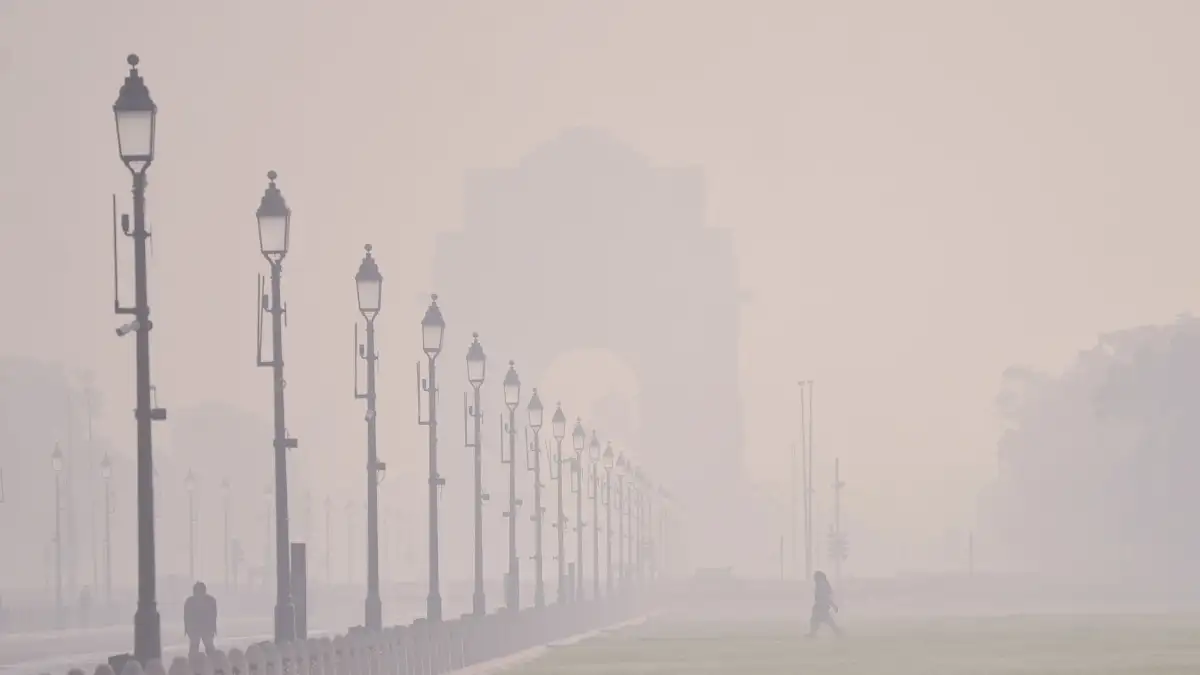

Delhi winter air quality remains in the poor category, with measured AQI levels indicating sustained pollution exposure risks. Residents, especially children and the elderly, are advised to follow specific health precautions to reduce the impact of prolonged air pollution.
Delhi’s winter air quality continues to be a public health concern as AQI readings in several parts of the city remain in the poor to very poor range. According to standard AQI classification in India, an AQI between 201 and 300 is considered poor, while 301 to 400 falls under very poor. At these levels, prolonged exposure can cause respiratory discomfort even in healthy individuals, with greater risks for vulnerable groups such as children, senior citizens and those with pre existing conditions.
Understanding Current AQI Levels in Delhi
The Air Quality Index or AQI measures pollutants such as PM2.5, PM10, nitrogen dioxide, sulfur dioxide, carbon monoxide and ozone. During winter, PM2.5 and PM10 levels typically rise due to temperature inversion, lower wind speeds and increased emissions from vehicles and other sources.
When AQI remains in the poor category, breathing discomfort may occur with long term exposure. In the very poor category, respiratory illness risk increases on prolonged exposure. Sensitive groups may experience aggravated asthma, coughing and throat irritation even with short exposure.
Several monitoring stations across Delhi continue to report elevated particulate matter concentrations, reflecting seasonal pollution patterns that intensify between late autumn and early spring.
Why Winter Worsens Delhi Air Pollution
Winter conditions trap pollutants closer to the ground. Cold air forms a layer that prevents dispersion of pollutants, a phenomenon known as temperature inversion. Reduced wind speed further limits natural clearing of airborne particles.
Vehicular emissions, construction dust, biomass burning and industrial activities contribute to overall pollution load. In some periods, additional factors such as regional agricultural burning can affect air quality in northern India.
The combined effect results in higher concentration of fine particulate matter, which can penetrate deep into the lungs and even enter the bloodstream.
Health Risks for Children and Elderly Residents
Children are more vulnerable to poor air quality because their lungs are still developing. They also breathe faster than adults, which increases pollutant intake relative to body size. Prolonged exposure can lead to coughing, wheezing and exacerbation of asthma.
Elderly individuals, especially those with heart disease, chronic obstructive pulmonary disease or diabetes, face elevated risks during high AQI periods. Poor air quality can trigger breathlessness, chest discomfort and increased hospital visits.
Even healthy adults may experience irritation of the eyes, nose and throat, along with fatigue during sustained exposure to high particulate matter levels.
Practical Health Tips During Poor AQI Conditions
Limiting outdoor activity during peak pollution hours is one of the most effective preventive steps. Early morning and late evening often see higher pollutant concentration. Scheduling outdoor exercise during relatively lower AQI periods can reduce exposure.
Using certified N95 or equivalent masks outdoors can help filter fine particulate matter. Cloth masks are generally not effective against PM2.5 particles.
Keep indoor air cleaner by closing windows during high pollution periods. Using air purifiers with HEPA filters can significantly reduce indoor particulate concentration.
Hydration is important. Drinking adequate water helps maintain mucosal hydration in the respiratory tract, which can reduce irritation.
For individuals with asthma or other chronic conditions, ensure prescribed inhalers and medications are readily available.
Safe Practices for Schools and Families
Schools often adjust outdoor activities based on AQI levels. Parents should monitor daily air quality updates and avoid sending children for strenuous outdoor sports when AQI is in the very poor category.
At home, reducing indoor pollution sources such as incense sticks, smoking and unvented cooking can help maintain better indoor air quality.
Encourage children to report symptoms such as persistent cough or breathing difficulty. Early medical consultation prevents complications.
Elderly family members should avoid unnecessary travel during high pollution days and follow medical advice strictly.
Government Measures and Public Responsibility
Authorities periodically implement graded response action plans during severe pollution phases. These may include restrictions on construction, vehicular controls and advisories for schools.
While policy interventions aim to reduce pollution load, individual responsibility also plays a role. Using public transport, carpooling and maintaining vehicles can contribute to emission reduction.
Residents should rely on official AQI data and health advisories rather than unverified social media claims.
Long Term Health Considerations
Repeated exposure to poor air quality over years can increase risk of chronic respiratory diseases, cardiovascular issues and reduced lung function. Preventive measures taken consistently during winter months can mitigate cumulative health impact.
Regular health checkups for high risk groups are recommended. Monitoring lung function in children with asthma and cardiac health in elderly individuals is particularly important during winter.
Awareness and proactive management remain the best defense against seasonal air pollution risks.
Takeaways
Delhi AQI remains in the poor to very poor category during winter.
Children and elderly residents face higher health risks from prolonged exposure.
Limiting outdoor activity and using N95 masks can reduce pollutant intake.
Indoor air management and medical preparedness are essential during high AQI periods.
FAQs
Q1. What AQI level is considered poor in Delhi?
An AQI between 201 and 300 is classified as poor under Indian air quality standards.
Q2. Who is most at risk during poor air quality?
Children, elderly individuals and people with respiratory or heart conditions are most vulnerable.
Q3. Are air purifiers effective during winter pollution?
Yes. Purifiers with HEPA filters can significantly reduce indoor particulate matter levels.
Q4. Should schools cancel outdoor activities during high AQI?
Schools often reduce or cancel outdoor activities when AQI reaches very poor or higher categories to protect children’s health.