
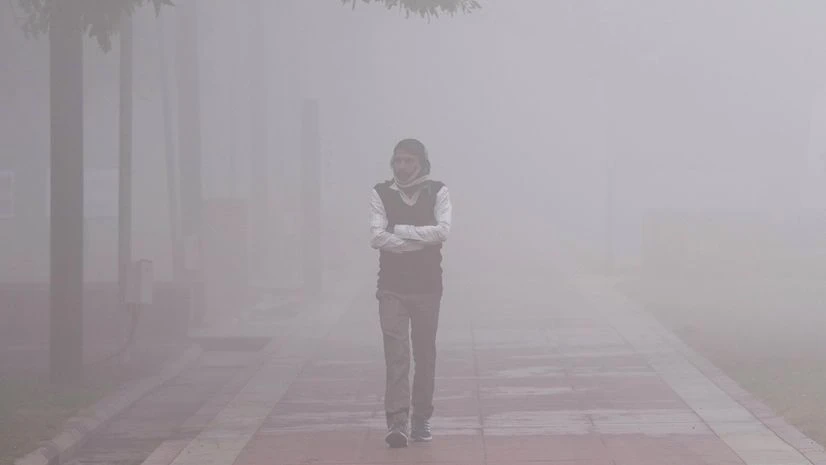

Dense fog and cold warnings have significantly impacted daily life across Bihar, Uttar Pradesh, Punjab, and Odisha, affecting transport, schools, healthcare access, and routine economic activity. Prolonged low visibility and cold wave conditions have forced authorities and residents to adjust schedules and safety protocols.
This topic is time sensitive in nature. The impact is ongoing and tied to current winter weather conditions across multiple states. The tone of this article follows a news reporting style while explaining practical implications for residents.
Dense fog and cold warnings are issued when visibility drops sharply and temperatures fall below seasonal averages. These conditions are common during peak winter but their intensity and spread this season have disrupted both urban and rural routines across eastern and northern India.
Transport Disruptions Affect Commuters and Trade
Transport systems are among the worst affected during dense fog conditions. Road visibility in many districts has dropped to dangerously low levels during early morning and late night hours. Highway traffic has slowed significantly, increasing travel time for daily commuters and commercial vehicles.
Rail services have also faced widespread delays. Trains operating through fog prone belts often run several hours behind schedule due to mandatory speed restrictions. This has affected office goers, students, and long distance passengers alike.
Air travel disruptions are more visible in cities with regional airports. Flight delays and occasional cancellations have affected business travel and medical appointments, forcing passengers to reschedule plans at short notice.
Impact on Schools, Colleges, and Daily Routines
Cold warnings have led to changes in school schedules across affected states. Many districts have delayed school timings to protect children from extreme cold during early morning hours. In some areas, classes have shifted to shorter durations or online modes temporarily.
For families in rural areas, cold mornings affect agricultural routines and livestock care. Farmers delay fieldwork until sunlight improves visibility and temperature. This leads to compressed work hours and reduced productivity.
Urban households are also adjusting routines. Morning walks, outdoor exercise, and early market visits have declined as residents prioritize safety over routine habits.
Health Concerns Rise During Prolonged Cold Conditions
Cold weather and fog have increased health risks, especially among children, elderly individuals, and those with respiratory conditions. Reduced air movement during foggy conditions traps pollutants, worsening breathing difficulties in urban centers.
Hospitals and clinics report a rise in cold related ailments such as cough, fever, joint pain, and respiratory infections. Rural healthcare centers face added pressure as patients travel later in the day due to poor morning visibility.
Public health advisories recommend limiting outdoor exposure during peak fog hours and maintaining adequate warmth indoors. However, compliance varies depending on access to resources.
Economic Activity Slows in Key Sectors
Local markets and small businesses have seen reduced footfall during prolonged cold spells. Morning trade starts later, affecting vendors who rely on early customers. Transport dependent businesses such as logistics, dairy supply, and construction face delays.
In agricultural markets, fog delays produce arrivals, impacting price discovery and supply chains. Perishable goods are particularly vulnerable when transport slows or stalls.
Daily wage workers are among the most affected. Shorter working hours and missed workdays translate into immediate income loss, especially in informal sectors.
Government Measures and Advisory Responses
State and district administrations have issued advisories urging caution during foggy conditions. Traffic police have increased patrolling on highways and accident prone stretches during early hours.
Schools are instructed to adjust schedules based on local conditions. Public announcements and mobile alerts are being used to communicate weather updates to residents.
In some districts, night shelters and warming centers have been activated for vulnerable populations. However, coverage remains uneven, particularly in rural pockets.
How Residents Are Adapting to Ongoing Conditions
Residents across affected states are adapting through delayed travel, flexible work timings, and increased reliance on local information channels. Many households are stocking essentials to avoid early morning outings.
Use of warm clothing, heating devices, and indoor activities has increased. People are also coordinating travel plans more cautiously, especially for inter district movement.
Adaptation is gradual but necessary as cold and fog conditions are expected to persist intermittently through the peak winter period.
Takeaways
- Dense fog has disrupted road, rail, and air transport across multiple states
- School schedules and daily routines have been altered to manage cold exposure
- Health risks and economic slowdowns are rising due to prolonged conditions
- Residents and authorities are adapting through advisories and schedule changes
FAQs
Why is dense fog more severe during winter in these states?
Cold air, high moisture, and low wind speed combine to trap fog close to the ground, especially in plains and river basins.
How long do fog and cold warnings usually last?
They can persist for several days in phases, often easing during late morning and returning at night.
Are schools likely to remain closed during fog conditions?
Complete closures are rare, but delayed timings and shorter school hours are common during severe cold spells.
What precautions should commuters take during dense fog?
Travel during daylight when possible, reduce speed, use appropriate lighting, and monitor local advisories regularly.