
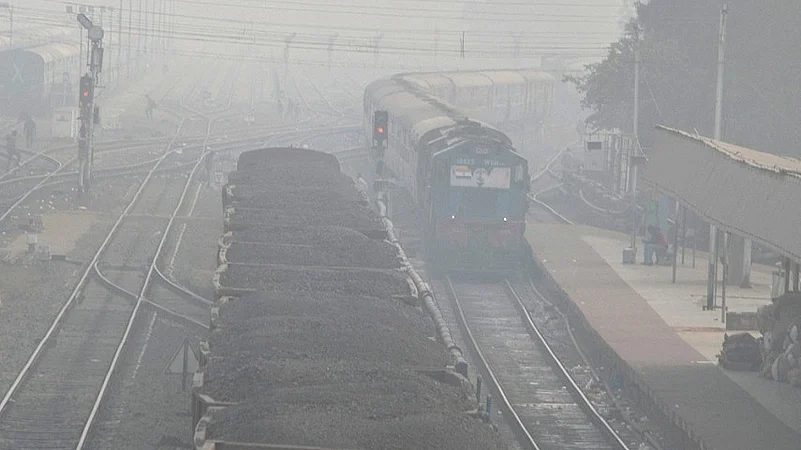

Dense fog disruptions across Delhi NCR and Uttar Pradesh have significantly affected road traffic, train schedules, and flight operations, creating widespread inconvenience for commuters and travelers. Reduced visibility during early morning and late night hours has forced authorities to issue repeated advisories and operational adjustments across transport networks.
Dense fog disruptions across Delhi NCR and UP are a time sensitive weather development with immediate local impact. The tone here reflects active reporting and practical interpretation of the situation as it unfolds across transport and daily life.
Visibility Drops Trigger Traffic Slowdowns on Major Roads
Road traffic across Delhi NCR and adjoining districts of Uttar Pradesh has slowed sharply due to dense fog conditions, particularly during early morning hours. Visibility in several stretches dropped to levels unsafe for normal speed driving, forcing vehicles to crawl or halt entirely on highways and arterial roads. Expressways connecting Delhi to Ghaziabad, Noida, Greater Noida, and Meerut reported congestion as drivers reduced speed and increased following distance. Traffic police deployed additional patrols to manage movement and prevent pile ups. Advisory messages urged commuters to avoid unnecessary travel before mid morning, when fog intensity typically eases.
Train Services Face Delays and Rescheduling
Railway operations have been heavily impacted as fog reduces signal visibility and requires trains to operate at restricted speeds. Several long distance and regional trains running through North India experienced delays ranging from 30 minutes to several hours. Suburban and passenger trains serving daily commuters in UP districts faced cancellations or rescheduling to maintain safety protocols. Railway authorities activated fog safety measures, including use of fog safe devices and extended buffer times between train movements. Passengers were advised to check real time train status before departure to avoid station crowding and missed connections.
Flight Operations Adjusted at Regional Airports
Dense fog conditions affected flight operations at airports in and around Delhi NCR, with arrivals and departures delayed or diverted during peak fog windows. Low visibility conditions required enhanced landing procedures, limiting the number of aircraft that could operate simultaneously. Some early morning flights were rescheduled, while others faced holding patterns until conditions improved. Airlines issued advisories asking passengers to track flight status closely and arrive at airports with sufficient buffer time. Connecting passengers experienced cascading delays as schedules adjusted throughout the day.
Schools, Offices, and Daily Routines Affected
The fog disruptions extended beyond transport into daily routines. Several schools across affected districts adjusted start times to ensure student safety during low visibility periods. Office goers faced longer commute times, particularly those relying on buses and shared transport. Delivery services and logistics operators modified schedules to avoid peak fog hours, impacting same day deliveries in some areas. In residential zones, visibility remained low well into the morning, delaying routine activities and increasing reliance on remote work arrangements where possible.
Safety Advisories Issued for Commuters
Authorities emphasized road safety measures as accident risk rises sharply during dense fog. Drivers were advised to use fog lights or low beam headlights rather than high beams, which worsen glare. Maintaining safe distance, avoiding sudden lane changes, and reducing speed were highlighted as essential precautions. Two wheeler riders and pedestrians were advised to wear reflective clothing and avoid poorly lit routes. Emergency services remained on alert to respond quickly to any incidents resulting from low visibility conditions.
Health Concerns During Prolonged Fog Spells
Dense fog is often accompanied by cold and increased air pollution levels, compounding health risks. Respiratory discomfort, eye irritation, and aggravation of existing conditions were reported, particularly among children and elderly residents. Medical professionals advised minimizing outdoor exposure during peak fog hours and wearing protective masks if travel was unavoidable. Poor visibility combined with cold conditions also increased the risk of slips and falls, especially in poorly maintained public spaces.
Weather Pattern and Expected Outlook
The persistence of fog across Delhi NCR and UP is linked to calm wind conditions, high moisture levels, and low night time temperatures. Such patterns are common during peak winter but can intensify when western disturbances influence regional weather systems. Authorities indicated that fog intensity may fluctuate over the next few days, with temporary improvement during daytime hours. Continued monitoring and advisories are expected as conditions evolve, especially during early mornings.
Local Administration Response and Preparedness
District administrations coordinated with traffic police, transport authorities, and emergency services to manage disruptions. Public announcements through digital boards, radio updates, and social media channels were used to inform citizens. Schools and institutions were given flexibility to adjust timings based on local conditions. The focus remained on minimizing accidents rather than maintaining strict schedules, reflecting a safety first approach during adverse weather.
Takeaways
- Dense fog disruptions across Delhi NCR and UP have slowed road, rail, and air travel
- Early morning and late night hours face the highest visibility risks
- Train and flight delays are likely during peak fog conditions
- Safety precautions and travel planning are essential to reduce risk
FAQs
Why does dense fog affect transport so severely?
Fog reduces visibility to unsafe levels, forcing vehicles, trains, and aircraft to operate at reduced speeds or pause operations.
Which time of day is most affected by fog disruptions?
Fog is usually densest between midnight and late morning, with gradual improvement after sunrise.
Should commuters cancel travel plans during dense fog alerts?
Non essential travel should be avoided during peak fog hours, while essential travel requires extra time and caution.
How long are these fog conditions expected to continue?
Fog intensity may vary daily but can persist for several days depending on temperature and wind conditions.