
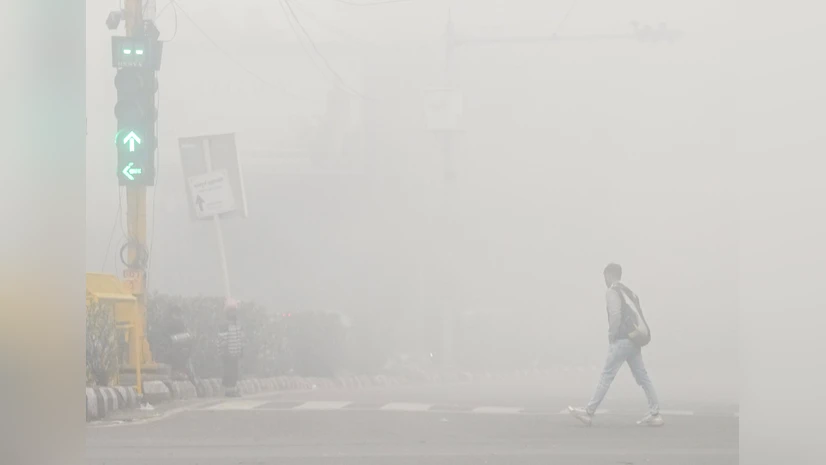

Dense fog disrupts travel and transit in the Delhi UP corridor every winter, but recent conditions have intensified delays across roads, railways and flights. Reduced visibility, cold wave conditions and traffic congestion are now affecting daily commuters, intercity travelers and logistics movement at scale.
This topic is time sensitive as dense fog conditions are actively impacting North India. The tone follows a news reporting style with practical mitigation guidance.
Why Dense Fog Intensifies in the Delhi UP Corridor
The Delhi UP corridor is particularly vulnerable to dense fog due to geography, urban heat retention and high moisture levels during winter. Cold nights followed by minimal wind create ideal conditions for fog formation, especially between late night and mid morning hours.
Industrial emissions, vehicular pollution and stagnant air further reduce visibility. Areas like Ghaziabad, Noida, Greater Noida, Meerut and parts of East Delhi experience longer fog duration compared to open rural zones. Visibility often drops below safe limits for travel, especially before sunrise.
This pattern repeats annually but fluctuates in severity based on weather systems.
Impact on Road Traffic and Daily Commuters
Dense fog significantly slows road traffic across expressways and arterial roads connecting Delhi and Uttar Pradesh. Speed restrictions, poor lane visibility and increased accident risk lead to long traffic jams during morning office hours.
School buses, office cabs and delivery vehicles face cascading delays. Many commuters report doubling of usual travel time. Rear end collisions and sudden braking incidents rise sharply during low visibility periods.
Two wheeler riders and pedestrians are at higher risk due to limited visibility from larger vehicles. Fog also affects traffic signal visibility, increasing confusion at intersections.
Train Delays and Rail Network Disruptions
Rail travel between Delhi and major UP stations is heavily impacted during dense fog spells. Trains are often delayed by several hours as speed restrictions are imposed to ensure safety. Early morning trains face the highest delays.
Passengers experience missed connections and platform congestion. Long distance trains originating from the north are delayed even before reaching the Delhi UP belt, affecting schedules across the network.
Despite safety protocols, fog remains one of the biggest winter challenges for rail operations in this region.
Flight Disruptions at Delhi and Nearby Airports
Dense fog causes frequent flight delays and cancellations at Delhi airport, with ripple effects across regional routes to and from UP cities. Low visibility affects landing and takeoff operations, especially during early morning slots.
Even when flights operate, aircraft rotation delays lead to later cancellations. Passengers flying to or from smaller airports face higher disruption risk due to limited alternate arrangements.
Airlines issue advisories, but ground congestion often builds faster than recovery efforts.
Impact on Goods Movement and Small Transporters
Small city transporters operating between Delhi and UP face operational stress during dense fog. Delivery timelines slip, fuel consumption increases due to idling and driver fatigue rises.
Perishable goods and time sensitive shipments are most affected. Transporters often delay departures until visibility improves, compressing delivery windows later in the day.
This disruption increases costs and affects small businesses that depend on reliable daily movement.
How Authorities Respond to Fog Related Disruptions
Traffic police deploy additional personnel to manage congestion and enforce speed advisories. Variable message boards display warnings on expressways, while accident prone stretches receive extra monitoring.
Railways implement fog safety protocols, including reduced speeds and enhanced signaling checks. Airports adjust schedules and activate low visibility procedures when available.
Despite these measures, infrastructure limitations mean disruptions cannot be fully avoided.
Practical Mitigation Tips for Daily Travelers
Travelers should plan later departures when possible, especially for road journeys. Using fog lights correctly and maintaining safe distance reduces accident risk. Avoid high speed expressways during peak fog hours if alternatives exist.
Rail passengers should check train status before leaving home. Flight passengers should monitor airline updates and avoid tight connections during fog season.
Employers offering flexible work hours help reduce peak congestion during severe fog days.
What Commuters in Tier Two UP Cities Should Watch For
Tier two cities like Meerut, Muzaffarnagar and Bulandshahr often experience longer fog persistence. Local roads may lack adequate lighting, increasing risk.
Commuters should rely on local advisories rather than Delhi centric updates. Early morning travel from these towns requires extra caution and buffer time.
Public transport schedules in smaller cities are more likely to change without notice.
Long Term Outlook for Winter Fog Disruptions
Dense fog episodes are expected to remain a recurring winter challenge. Urban expansion and rising vehicle density contribute to persistent visibility issues.
While technology and infrastructure upgrades help manage risk, behavioral changes and planning remain the most effective mitigation tools for commuters and transporters alike.
Takeaways
Dense fog significantly impacts road, rail and air travel
Morning hours face the highest disruption risk
Small transporters and daily commuters are most affected
Planning and flexibility reduce safety and delay risks
FAQ
At what time is fog usually worst in the Delhi UP corridor
Fog is usually densest between midnight and late morning, especially around sunrise.
Are highways safer than city roads during fog
Highways have better lighting but higher speeds increase risk. Both require caution.
Do train delays improve later in the day
Yes, as visibility improves, trains gradually recover schedules.
Should travel be avoided during severe fog
Non essential travel should be postponed during extremely low visibility conditions.