

Short summary
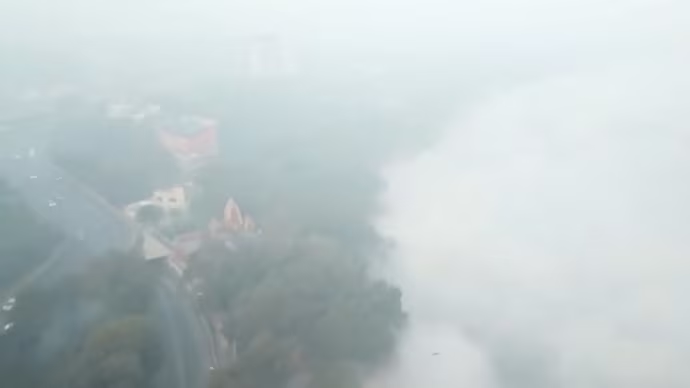
Dense fog returns across North India every winter, disrupting daily routines, school schedules, and small-town transport systems. This article explains how fog conditions affect visibility, safety, education, and mobility, and what residents in smaller cities should expect during prolonged fog spells.
Understanding the intent and nature of the topic
This is a time sensitive news and explanatory topic. Dense fog conditions occur seasonally but their impact varies daily based on weather patterns. The tone here follows a news reporting style with clear context and practical implications for residents.
How dense fog returns across North India each winter
Dense fog returns across North India during winter due to a combination of low temperatures, high moisture levels, and calm wind conditions. Regions across Punjab, Haryana, Uttar Pradesh, Rajasthan, Bihar, and parts of Delhi NCR are especially prone to prolonged fog spells. Visibility often drops sharply during late night and early morning hours, sometimes falling below safe operational limits.
This seasonal weather pattern is not new, but its intensity and duration directly affect everyday life. In many areas, fog lingers well into the morning, delaying routines that depend on early starts. For small towns with limited infrastructure support, the impact can be more disruptive than in large cities.
Impact on daily life and household routines
Daily life is among the first areas affected when dense fog sets in. Morning commutes become slower and more stressful, particularly for people travelling to work or markets before sunrise. Low visibility reduces driving speed and increases accident risk, prompting cautious movement on roads.
Household schedules also shift. People delay outdoor chores, morning walks, and shopping trips until visibility improves. In agricultural belts, fog can affect early harvesting, irrigation schedules, and transportation of produce to local markets.
Electricity demand often rises as households keep lights on longer in the mornings. These small changes collectively alter the rhythm of daily life during extended foggy periods.
School schedules and student safety concerns
Schools are directly affected when dense fog reduces visibility during early hours. Many district administrations issue advisories allowing delayed school start times or temporary closures, especially for primary classes. This is done to protect children who travel on foot, bicycles, or school buses.
In small towns, school transport systems are less equipped to handle extreme fog. Buses may run late or skip routes altogether. Parents often face last minute decisions about sending children to school, balancing academic continuity with safety.
Examinations, outdoor activities, and assemblies are frequently postponed during dense fog days. Over time, repeated disruptions can compress academic schedules later in the season.
Effect on small-town road transport
Small-town transport is heavily impacted by dense fog. Unlike highways in metro regions, many district roads lack reflective signage, proper lighting, or lane markings. This makes navigation difficult during low visibility conditions.
Public buses operate at reduced speeds and may be delayed or cancelled during peak fog hours. Auto rickshaws and two-wheelers face higher risk, leading to fewer vehicles on the road early in the day. Inter-district travel is often postponed, affecting workers, traders, and students.
Accident rates typically rise during foggy mornings, particularly at intersections and unlit stretches. Local authorities often respond by increasing traffic checks and advising against unnecessary travel.
Rail and bus connectivity challenges
Rail connectivity in North India also faces disruptions during dense fog spells. Trains are required to operate at reduced speeds when visibility is low, leading to cascading delays across routes. Passengers in small towns often experience extended waiting times as delays compound along long-distance journeys.
Bus terminals in district headquarters see congestion as schedules become unpredictable. Travellers may arrive early only to face delayed departures. These disruptions particularly affect daily wage workers and small traders who rely on punctual transport.
Over time, repeated delays reduce confidence in public transport reliability during winter months.
Economic and local business impact
Dense fog has a subtle but real economic impact in small towns. Reduced footfall affects morning markets, roadside vendors, and small shops. Delivery schedules for goods are delayed, especially perishables.
Construction work slows as visibility and safety concerns limit early morning operations. Transport dependent services such as courier delivery and logistics experience backlogs during prolonged fog spells.
While the impact may appear temporary, repeated disruptions across weeks can affect income stability for small businesses and informal workers.
Health and safety considerations during fog
Health risks increase during dense fog conditions. Reduced air movement often coincides with higher pollution levels, aggravating respiratory issues. Elderly people and children are particularly vulnerable.
Road safety becomes a major concern. Low visibility, combined with driver fatigue during early hours, raises accident risk. Authorities typically advise using fog lights, reducing speed, and avoiding sudden braking.
Pedestrians in small towns face higher danger due to lack of footpaths and reflective clothing. Awareness and caution are critical during these periods.
How communities adapt to recurring fog conditions
Communities across North India have gradually adapted to seasonal fog. Schools adjust timings, employers allow flexible reporting hours, and households modify routines. Local authorities issue advisories through announcements and social messaging.
Despite these adaptations, infrastructure gaps remain a challenge, particularly in small towns. Improved road markings, lighting, and public communication can reduce disruption but require long-term planning.
For now, preparedness and patience remain the most effective coping strategies.
Takeaways
Dense fog disrupts daily routines, transport, and school schedules across North India
Small towns face greater challenges due to limited infrastructure support
School timings and public transport are often adjusted during fog spells
Safety precautions are essential for drivers, pedestrians, and students
FAQs
Why does dense fog occur mostly in winter
Cold temperatures combined with moisture and low wind allow fog to form and persist near the ground.
Which time of day is fog most severe
Fog is usually densest between late night and early morning, improving after sunrise.
Do schools always close during dense fog
Not always. Authorities may delay start times or close schools depending on visibility and safety conditions.
How long do fog spells usually last
Fog spells can last a few hours or extend across several days during intense winter conditions.