
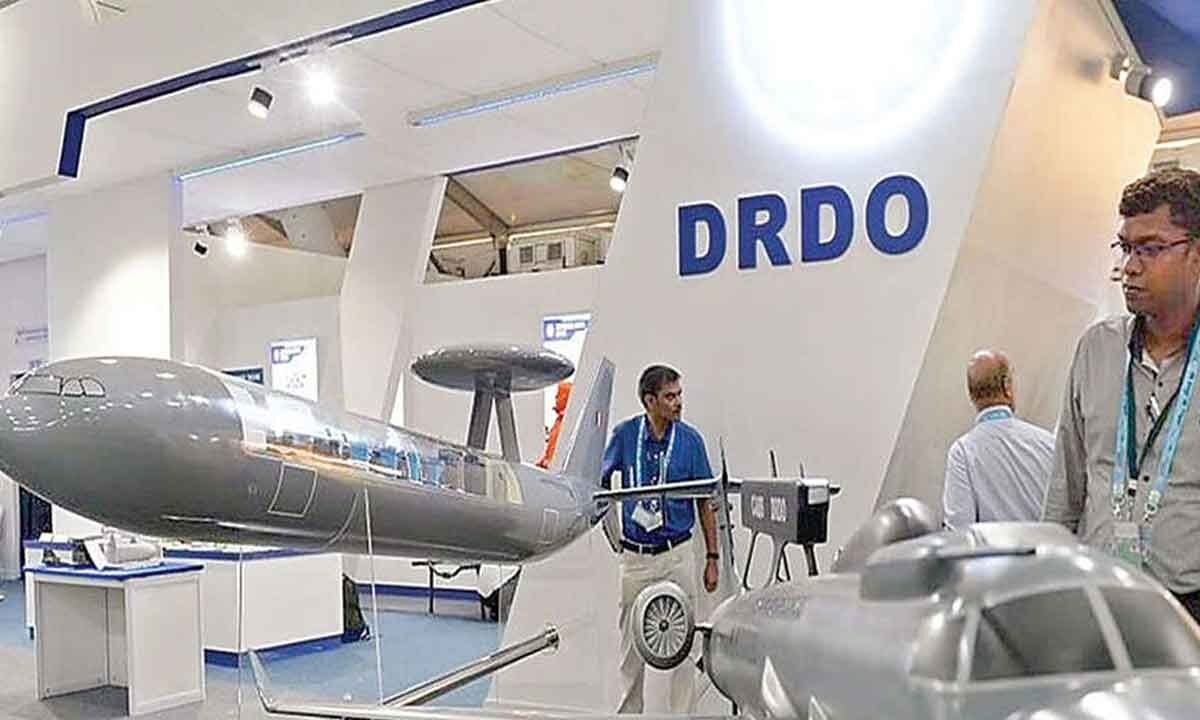

DRDO turns to startups for defence technology development as India expands its focus on innovation driven security solutions. The move opens new opportunities for young innovators, engineers, and technology entrepreneurs to contribute to national defence projects.
India’s defence sector has traditionally relied on large public sector units and established private contractors. However, increasing technological complexity and rapid global innovation have encouraged defence agencies to collaborate with startups that can develop specialized solutions quickly.
Why DRDO Is Partnering With Startups
DRDO turning to startups reflects a broader transformation in India’s defence innovation ecosystem. Modern defence systems increasingly depend on advanced technologies such as artificial intelligence, robotics, cyber security, drones, and advanced materials.
Startups often specialize in emerging technologies and can develop solutions faster than traditional defence suppliers. Their smaller teams and flexible development models allow them to experiment and prototype quickly.
Defence agencies also benefit from fresh perspectives. Young innovators often approach complex problems with new technical ideas that may not emerge within traditional research structures.
Government initiatives encouraging defence startups aim to strengthen domestic technology capabilities. Developing indigenous defence technology reduces dependence on imports and improves national security preparedness.
This shift also aligns with India’s broader focus on building a self reliant defence manufacturing ecosystem.
Government Programs Supporting Defence Startups
Several government initiatives have been launched to support startups working in defence technology. These programs provide funding, mentorship, and testing infrastructure to innovators developing solutions for military use.
One major initiative supports defence innovation by allowing startups to submit proposals addressing specific technological challenges faced by armed forces. Selected startups receive financial grants and guidance from defence experts.
Technology incubators connected to academic institutions also play an important role. These incubators help young entrepreneurs refine their ideas and transform research concepts into deployable products.
Testing facilities are another important resource. Defence technology requires strict performance standards, and startups often need access to laboratories and testing environments that would otherwise be expensive to build independently.
Through these support programs, startups gain the ability to work on projects that contribute directly to national defence capabilities.
Key Technology Areas for Defence Innovation
Startups entering the defence sector often focus on high technology domains that are reshaping modern warfare. Artificial intelligence is one of the most important areas where startups are contributing solutions.
AI based systems can analyze large volumes of data from surveillance equipment, radar systems, and satellite imagery. This helps defence agencies detect threats more quickly and respond effectively.
Drone technology is another rapidly growing field. Startups are developing unmanned aerial vehicles for surveillance, logistics support, and disaster response operations.
Cyber security is also critical. Defence organizations require advanced protection systems to safeguard sensitive digital infrastructure and communication networks.
Other emerging areas include autonomous vehicles, electronic warfare systems, advanced communication technologies, and high performance materials used in defence equipment.
These technologies require innovative thinking and rapid development cycles, making startups valuable partners for defence research organizations.
Opportunities for Young Innovators and Engineers
The growing collaboration between defence agencies and startups creates new opportunities for young innovators in India. Engineers, researchers, and entrepreneurs with strong technical skills can contribute directly to national security projects.
University graduates specializing in electronics, computer science, robotics, aerospace engineering, and material science are particularly well positioned to participate in defence innovation programs.
Startup founders can submit project proposals that address specific defence challenges. Successful projects may receive funding, research support, and opportunities for field testing.
Participation in defence technology programs also allows startups to work with experienced scientists and military experts. This collaboration helps young innovators gain valuable industry experience and refine their technological solutions.
Many startups also find commercial applications for technologies developed for defence purposes. Innovations created for military systems often evolve into products used in civilian industries such as logistics, disaster management, or telecommunications.
Strengthening India’s Defence Manufacturing Ecosystem
The shift toward startup collaboration supports India’s long term goal of strengthening domestic defence manufacturing. Developing advanced technologies locally helps reduce reliance on foreign suppliers.
India has historically imported a significant portion of its defence equipment. Encouraging domestic innovation allows the country to develop indigenous alternatives that meet national security requirements.
Startups play an important role in this transformation because they often work on specialized technologies that large companies may not prioritize.
As these startups grow, they contribute to a larger ecosystem that includes manufacturing companies, research institutions, and technology service providers.
This collaborative approach creates a more resilient and technologically advanced defence sector.
Challenges Startups May Face in Defence Projects
Despite the opportunities, defence technology development can be challenging for startups. Military systems require extremely high reliability and strict testing procedures.
The procurement process in defence sectors can also be complex. Startups must navigate regulatory requirements, security clearances, and technical certification processes before their technologies can be deployed.
Long development cycles are another challenge. Some defence technologies require years of research and testing before they become operational.
However, government support programs and partnerships with research institutions help reduce these barriers for emerging companies.
With proper guidance and funding, many startups are successfully entering the defence technology sector.
Takeaways
DRDO turning to startups reflects India’s growing focus on innovation in defence technology.
Government programs provide funding, mentorship, and testing facilities for defence startups.
Key innovation areas include artificial intelligence, drones, cyber security, and advanced materials.
Young engineers and entrepreneurs can participate in defence innovation through startup initiatives.
FAQs
Why is DRDO collaborating with startups?
Startups often specialize in emerging technologies and can develop innovative defence solutions quickly.
What technologies are defence startups working on?
Key areas include artificial intelligence, drone systems, cyber security, robotics, and advanced communication technologies.
Can young entrepreneurs participate in defence innovation programs?
Yes. Government initiatives allow startups and innovators to propose solutions to defence technology challenges.
Do defence startups receive government funding?
Selected startups may receive grants, mentorship, and access to testing infrastructure to develop their technologies.