
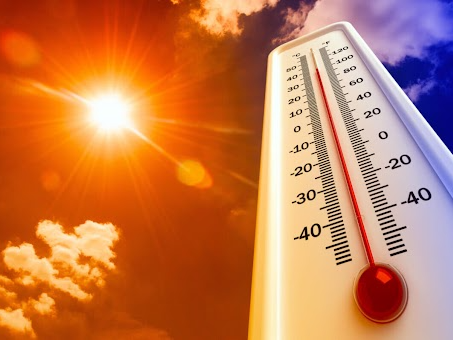

An early summer heatwave has intensified in Gujarat as temperatures in cities like Ahmedabad and Rajkot cross 41°C. Authorities have issued alerts advising residents to take precautions while meteorological conditions indicate continued high temperatures across several parts of the state.
The Gujarat heatwave alert has drawn attention after temperatures in Ahmedabad and Rajkot crossed 41°C, signaling the early arrival of intense summer conditions. Such high temperatures are usually expected later in the season, but the current weather pattern suggests an unusually strong start to summer in parts of western India. Officials have warned residents to remain cautious during peak afternoon hours as heat stress risks increase.
Heatwaves typically occur when temperatures remain significantly higher than normal for consecutive days. In Gujarat, dry weather conditions combined with clear skies and strong solar radiation have pushed temperatures upward earlier than expected. Cities across the state are now experiencing prolonged daytime heat that can affect daily activities, health, and infrastructure.
Early Summer Heatwave Conditions in Gujarat
The Gujarat heatwave alert reflects a broader pattern of rising temperatures across several districts. Cities like Ahmedabad and Rajkot have recorded temperatures crossing 41°C, which is considerably above the seasonal average for early March. Meteorological conditions indicate that hot and dry winds are contributing to the temperature spike.
During heatwave conditions, land surfaces absorb large amounts of solar radiation during the day. With little cloud cover to block sunlight, temperatures increase rapidly. In regions such as Gujarat where humidity remains relatively low during this period, the sun’s heat can raise daytime temperatures sharply.
Urban areas often experience stronger heat effects because of dense construction and limited green cover. Concrete structures and asphalt roads absorb heat and release it slowly, making cities warmer than surrounding rural areas. This urban heat effect is especially noticeable in major cities like Ahmedabad where rapid development has increased heat retention.
Authorities are monitoring the situation closely and issuing public advisories to reduce the risk of heat related illnesses.
Impact of Rising Temperatures on Daily Life
When temperatures cross 41°C, daily routines in many cities begin to change. Outdoor activities become more difficult during the afternoon, especially between 12 pm and 4 pm when the sun is strongest. Schools, businesses, and construction activities often adjust schedules to reduce exposure to peak heat.
Transport systems can also feel the impact of extreme heat. Vehicle engines may heat up faster, and road surfaces can become extremely hot under direct sunlight. For workers in outdoor sectors such as construction, agriculture, and street vending, prolonged exposure to high temperatures increases the risk of dehydration and heat exhaustion.
Public health experts often warn that heatwaves can affect vulnerable groups the most. Elderly individuals, children, and people with existing medical conditions are more susceptible to heat related illnesses. In cities experiencing heatwave alerts, hospitals sometimes see a rise in cases related to dehydration and heat stress.
Because of these risks, local administrations often advise residents to limit outdoor activity and follow heat safety precautions.
Weather Patterns Behind the Temperature Rise
The early summer heatwave in Gujarat is linked to several atmospheric factors. Clear skies allow uninterrupted sunlight to reach the ground throughout the day. At the same time, dry winds blowing from inland regions can push temperatures higher.
Another factor is the absence of rainfall during this period. Without cloud cover or moisture in the air, daytime heating becomes stronger. The land surface warms quickly and retains heat throughout the afternoon.
Weather patterns during the pre monsoon season often bring rising temperatures across western and central India. However, when temperatures cross the 40°C mark earlier than usual, meteorological departments issue heatwave alerts to warn the public.
Forecasts in such situations usually indicate whether temperatures will remain high for several days or if weather systems may bring temporary relief.
Safety Measures During a Heatwave
During a heatwave alert, residents are encouraged to take precautions to reduce the risk of heat related illness. Hydration is one of the most important steps. Drinking water frequently helps the body maintain temperature balance even when sweating increases.
Clothing choices also matter during extreme heat. Lightweight cotton clothing allows better airflow and helps the body stay cool. Dark colored clothing tends to absorb heat and should be avoided during intense sunlight.
Avoiding direct sun exposure during the hottest hours of the day is another key safety measure. Many experts recommend completing outdoor tasks during early morning or evening when temperatures are lower.
Homes can be kept cooler by closing curtains during the afternoon and increasing airflow using fans or ventilation. These small adjustments help reduce indoor heat buildup.
Following these precautions becomes especially important when temperatures exceed 40°C.
Takeaways
Ahmedabad and Rajkot have recorded temperatures above 41°C, triggering a heatwave alert in Gujarat.
Dry weather conditions and clear skies have contributed to the early rise in temperatures this summer.
Extreme heat can affect daily activities, especially for outdoor workers and vulnerable groups.
Residents are advised to stay hydrated, avoid peak sunlight hours, and take precautions during the heatwave.
FAQs
What temperature qualifies as a heatwave in Gujarat?
A heatwave is typically declared when temperatures rise significantly above normal seasonal levels and remain high for consecutive days, often crossing 40°C in many regions.
Why are temperatures rising early in Gujarat this year?
Clear skies, dry winds, and strong solar radiation during the pre summer period can cause temperatures to rise earlier than usual.
Who is most at risk during a heatwave?
Children, elderly individuals, outdoor workers, and people with existing health conditions are more vulnerable to heat related illnesses.
How can people stay safe during extreme heat?
Drinking water regularly, avoiding afternoon sun exposure, wearing lightweight clothing, and staying indoors during peak heat hours can reduce health risks.