
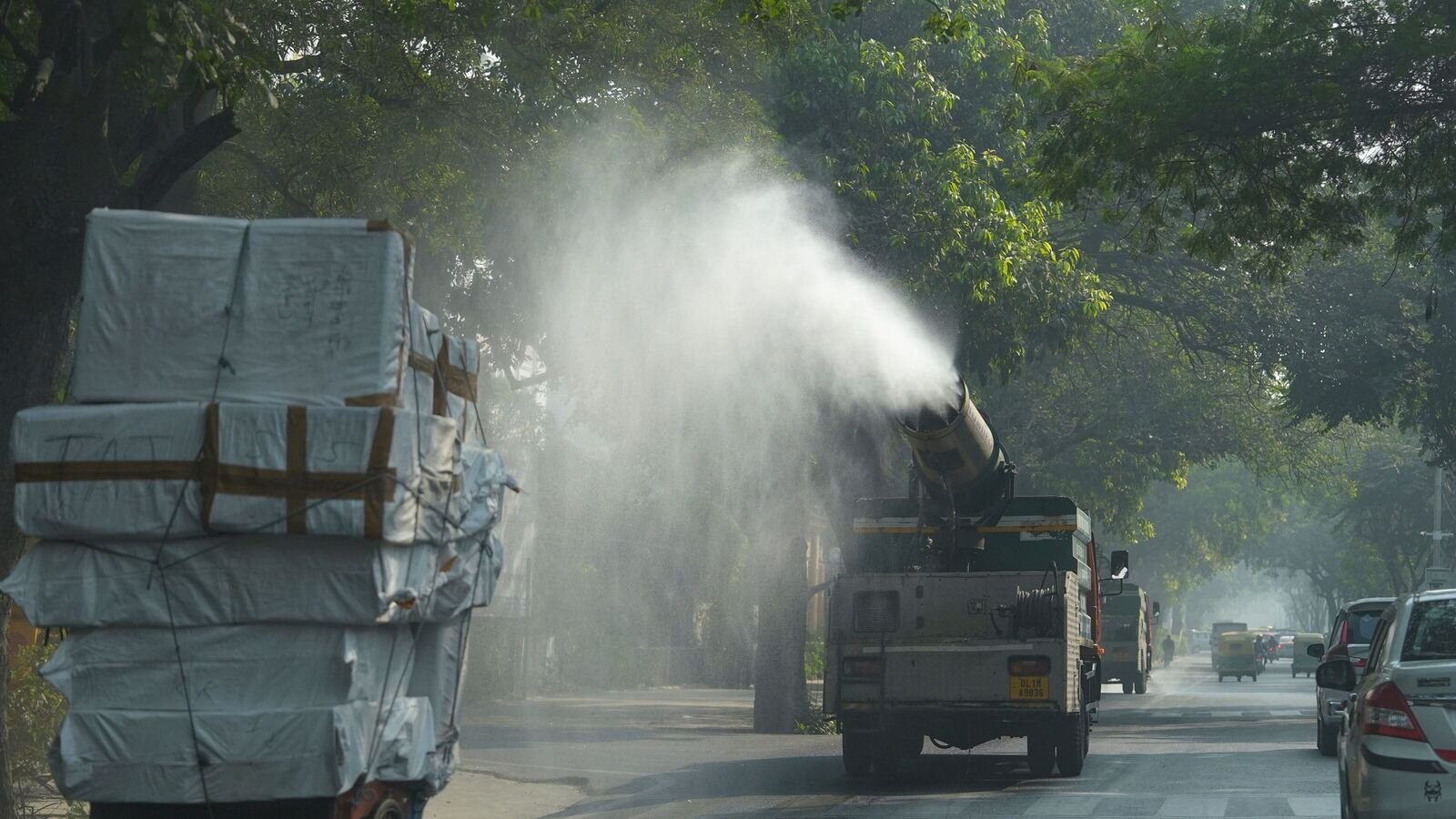

Gurgaon’s February air quality has ranked among the worst in the past ten years, highlighting persistent pollution challenges in the NCR region. The alarming trend offers critical lessons for smaller NCR cities aiming to prevent similar deterioration in air quality.
Gurgaon air quality in February has drawn attention due to unusually high average AQI levels compared to previous years. As part of the National Capital Region, the city is already prone to pollution spikes driven by vehicular emissions, construction dust, and seasonal meteorological factors. This topic is time sensitive because monthly air quality data reflects recent conditions and policy responses.
Why Gurgaon’s February AQI Stands Out This Year
Air Quality Index data typically improves slightly in February compared to peak winter months like November and December, when stubble burning and temperature inversion trap pollutants. However, this February saw sustained high particulate matter levels, especially PM2.5 and PM10.
PM2.5 refers to fine particles smaller than 2.5 micrometers that can penetrate deep into the lungs and bloodstream. PM10 includes slightly larger particles but still poses respiratory risks. Elevated readings across multiple monitoring stations suggest that pollution sources remained active despite seasonal shifts.
Construction activities, road dust resuspension, diesel vehicle emissions, and limited wind speed contribute significantly. In addition, winter inversion conditions can persist into early February, preventing pollutants from dispersing efficiently.
Key Pollution Sources Impacting NCR Cities
Vehicular emissions remain one of the largest contributors to poor air quality in Gurgaon. High traffic density, combined with diesel commercial vehicles, adds to nitrogen oxides and particulate matter levels. Rapid urban expansion has also increased construction dust.
Industrial activity in and around NCR further affects ambient air quality. Even if industries are located outside city limits, prevailing wind patterns can transport pollutants across districts.
Smaller NCR cities such as Faridabad, Ghaziabad, Noida, and Bahadurgarh face similar structural risks. As urbanization accelerates in these areas, traffic growth and infrastructure development can replicate Gurgaon’s pollution pattern if preventive measures are not strengthened.
Meteorological Factors That Worsen Air Quality
Weather plays a critical role in air pollution concentration. Low wind speeds reduce dispersion of pollutants. Temperature inversion, where a layer of warm air traps cooler air near the ground, prevents vertical mixing.
February often sees transitional weather, but if wind circulation remains weak, pollutants accumulate. Dust from dry surfaces can also increase during late winter.
Smaller NCR cities must integrate meteorological forecasting into pollution management strategies. Early warnings allow authorities to activate emergency measures under frameworks such as graded response action plans.
What Smaller NCR Cities Can Learn From Gurgaon
The primary lesson is proactive planning rather than reactive control. Rapid real estate development without strict dust management norms can escalate particulate pollution quickly. Cities must enforce on site dust barriers, regular water sprinkling, and debris covering at construction sites.
Public transport expansion is another key measure. Gurgaon’s heavy reliance on private vehicles has intensified congestion and emissions. Smaller NCR cities can prioritize bus networks, electric mobility adoption, and last mile connectivity before traffic volumes peak.
Monitoring infrastructure also matters. Installing real time air quality monitoring stations across urban and semi urban zones enables accurate data collection. Transparent data sharing increases public awareness and encourages behavioral change.
Strengthening Policy Enforcement and Citizen Participation
Regulations exist, but enforcement determines impact. Pollution control boards must conduct regular inspections of construction sites, industrial units, and waste burning hotspots.
Waste management practices in smaller towns often include open burning, which significantly raises local PM2.5 levels. Strict penalties and awareness campaigns can reduce such practices.
Citizen engagement is equally important. Carpooling, use of public transport, and reduced generator usage during non emergency situations contribute to incremental improvements. Schools and residential societies can run awareness drives on air quality monitoring and mask usage during high AQI days.
Long Term Health and Economic Implications
Sustained poor air quality increases the burden of respiratory diseases, cardiovascular issues, and reduced productivity. Health expenditures rise as hospital visits increase during high pollution periods.
For emerging cities aiming to attract investment, persistent poor air quality can affect quality of life perception. Clean air is increasingly viewed as an economic asset. Companies consider environmental conditions when expanding operations.
Smaller NCR cities can position themselves as cleaner alternatives within the region by adopting stricter environmental standards early in their growth cycle.
Takeaways
Gurgaon’s February air quality highlights persistent pollution challenges in NCR
Vehicular emissions, construction dust, and weak wind circulation are major contributors
Smaller NCR cities can act early to avoid similar long term deterioration
Strong enforcement, public transport expansion, and monitoring are essential
FAQs
Q1. What does AQI indicate in air quality reports?
AQI measures the concentration of pollutants like PM2.5 and PM10 and indicates health risk levels.
Q2. Why is February pollution still high despite winter ending?
Low wind speeds and residual inversion conditions can continue to trap pollutants into early February.
Q3. How can smaller cities prevent rising air pollution?
Strict construction norms, better public transport, and effective waste management are key preventive steps.
Q4. Does poor air quality affect economic growth?
Yes, long term pollution can impact health costs, workforce productivity, and investment attractiveness.