
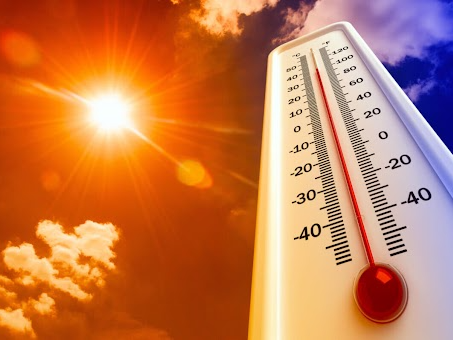

A heatwave alert in Mumbai and parts of western India has raised concerns as temperatures rise sharply ahead of the weekend. Authorities are urging residents to take precautions against heat related illnesses while preparing for unusually high daytime temperatures.
Rising Temperatures Trigger Heatwave Alert in Western India
The heatwave alert in Mumbai and western India comes as weather conditions push daytime temperatures well above seasonal averages. Several cities in Maharashtra and surrounding regions are experiencing early summer heat, with meteorological warnings indicating that temperatures could remain high through the weekend.
A heatwave is typically declared when the maximum temperature crosses specific thresholds or remains significantly above normal levels for consecutive days. Coastal cities like Mumbai usually experience moderate temperatures due to sea influence, but occasional heatwave conditions still occur when hot air from inland regions moves toward the coast.
Residents across western India are already reporting hotter afternoons and warmer nights. Increased humidity levels in coastal areas can make the heat feel more intense because the body struggles to cool itself through sweating.
Local authorities often issue advisories during such conditions, especially for vulnerable groups including children, elderly residents, and outdoor workers.
Health Risks During Extreme Heat Conditions
Heatwaves can create serious health risks if precautions are not taken. Prolonged exposure to high temperatures may lead to dehydration, heat exhaustion, and in severe cases heatstroke.
Heat exhaustion usually begins with symptoms such as fatigue, heavy sweating, dizziness, headaches, and muscle cramps. If untreated, it can progress to heatstroke, a dangerous condition in which the body loses the ability to regulate temperature.
Urban areas often experience stronger heat effects because of the urban heat island phenomenon. Concrete buildings, roads, and reduced green cover absorb and retain heat, raising temperatures in densely populated areas.
People working outdoors such as construction workers, delivery personnel, and street vendors face greater exposure to high temperatures. Schools, workplaces, and public health departments typically advise reducing outdoor activities during peak afternoon hours.
Recognizing early warning signs and staying hydrated are key steps in preventing heat related illnesses.
Practical Steps Residents Should Take During a Heatwave
Residents in Mumbai and western India can take several practical measures to stay safe during a heatwave alert. One of the most effective steps is limiting outdoor exposure during the hottest hours of the day, usually between late morning and late afternoon.
Drinking adequate amounts of water is essential even if thirst is not immediately felt. Hydration helps regulate body temperature and prevents fatigue caused by fluid loss.
Wearing light colored, loose fitting clothing made from breathable fabrics such as cotton can help reduce heat absorption. Hats, umbrellas, or scarves can provide additional protection from direct sunlight when outdoors.
Households should keep indoor spaces cool by using fans, ventilation, or air conditioning where available. Closing curtains or blinds during the afternoon can reduce indoor heat buildup.
Frequent cool showers and washing the face or neck with water can also help lower body temperature during extreme heat.
Protecting Children, Elderly, and Pets From Heat Stress
Certain groups are more vulnerable during a heatwave alert. Children and elderly individuals often struggle to regulate body temperature efficiently.
Parents should ensure children drink water regularly and avoid outdoor play during peak heat hours. Schools sometimes adjust schedules or limit outdoor sports activities when heat warnings are issued.
Elderly residents should remain in cool environments as much as possible. Medical conditions and medications may increase sensitivity to heat, making hydration and rest especially important.
Pets also require protection during extreme temperatures. Animals should always have access to fresh water and shaded areas. Walking pets during early morning or late evening hours reduces the risk of heat stress.
Vehicles parked in the sun can heat up quickly, creating dangerous conditions for children or pets left inside even for short periods.
Impact of Heatwaves on Daily Life and Infrastructure
Heatwaves can affect daily routines and infrastructure across cities. Higher electricity demand is common as households increase the use of fans, coolers, and air conditioners.
Power utilities often monitor electricity consumption during heatwaves because sudden demand spikes can strain local power networks. Water consumption also increases as people drink more fluids and use additional water for cooling purposes.
Public transport users may experience uncomfortable travel conditions during peak heat hours. Commuters often plan travel earlier in the day or later in the evening to avoid extreme temperatures.
Local administrations may also set up drinking water stations in busy public areas during prolonged heat conditions.
Climate Trends and Increasing Heatwave Frequency
Heatwaves are becoming more frequent and intense across many parts of India. Rising global temperatures and changing weather patterns are contributing to longer summer seasons and earlier onset of extreme heat.
Western India, including Maharashtra, Gujarat, and Rajasthan, regularly experiences heatwaves during the pre monsoon months. Climate researchers have observed that urban expansion and reduced green cover can worsen local heat effects.
Cities are increasingly exploring measures such as urban tree planting, reflective building materials, and heat action plans to manage extreme temperature events.
Public awareness about heatwave preparedness has also improved as authorities issue early warnings and safety guidelines.
Takeaways
Heatwave alerts indicate significantly higher than normal temperatures across affected regions
Hydration, limited outdoor exposure, and breathable clothing help prevent heat related illness
Children, elderly individuals, and outdoor workers are most vulnerable during extreme heat
Urban areas may experience stronger heat effects due to dense infrastructure
FAQs
What temperature qualifies as a heatwave in India?
A heatwave is declared when temperatures cross specific thresholds or remain significantly above normal levels for consecutive days depending on the region.
How can people prevent heat exhaustion during extreme heat?
Staying hydrated, avoiding outdoor exposure during peak heat hours, and wearing light clothing can reduce the risk of heat exhaustion.
Why do cities feel hotter during heatwaves?
Urban areas retain heat due to concrete structures, roads, and limited vegetation, creating what is known as the urban heat island effect.
Is it safe to exercise outdoors during a heatwave?
Outdoor exercise should be avoided during peak heat hours. Early morning or evening activity is safer when temperatures are lower.