
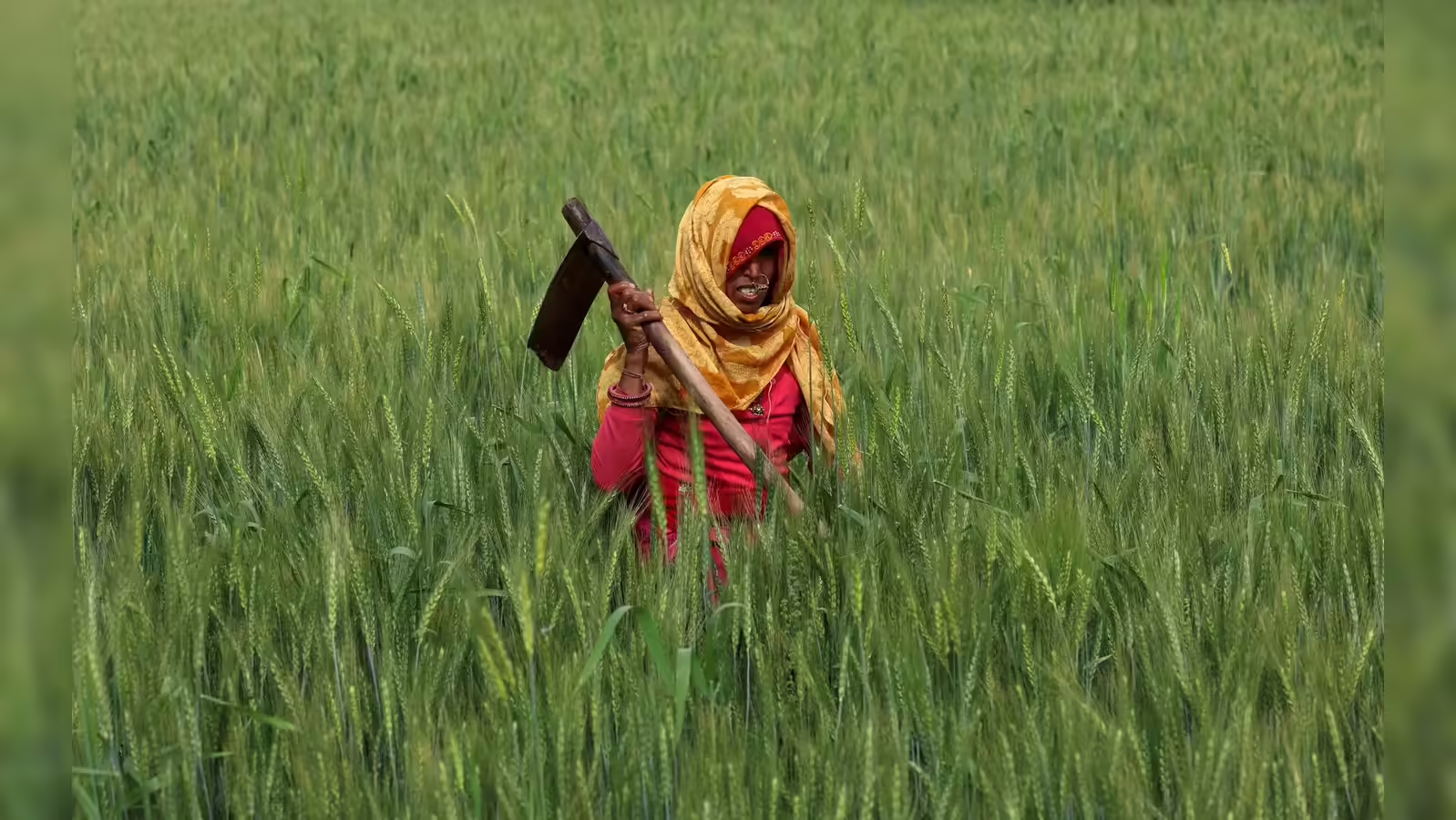

A heatwave alert in North India this March has raised concerns for wheat and rapeseed farmers as rising temperatures during critical crop growth stages may affect yields. Agricultural experts warn that early heat stress could reduce grain development and oilseed productivity.
The heatwave alert in North India has created fresh concern for farmers growing wheat and rapeseed as unusually high temperatures are expected during March. This period is crucial for rabi crops because wheat and oilseed plants enter their grain filling stage during late winter and early spring. When temperatures rise beyond normal levels during this phase, crops may mature faster and produce lower yields, affecting farm income across several agricultural regions.
Early Heatwave Conditions Developing Across North India
Meteorological forecasts indicate that temperatures across several northern states may rise above seasonal averages during March. Regions such as Punjab, Haryana, Uttar Pradesh, Rajasthan, and parts of Madhya Pradesh are key wheat producing areas and could experience early heatwave conditions.
A heatwave occurs when maximum temperatures rise significantly above the normal range for a region. In agricultural regions, even a few degrees of additional heat during sensitive crop stages can influence plant growth.
Wheat cultivation depends on relatively cool weather during the final weeks of crop development. When temperatures increase rapidly, plants shorten their grain filling period. This means kernels have less time to accumulate starch and nutrients.
As a result, grains may become smaller and lighter, reducing the overall harvest volume. Similar temperature stress can also affect rapeseed plants, which are grown widely for edible oil production.
Impact of Heat Stress on Wheat Crop Development
Wheat is one of the most temperature sensitive crops during the grain formation stage. When temperatures exceed optimal limits during this phase, wheat plants accelerate their maturity cycle.
Heat stress reduces the plant’s ability to transport nutrients to developing grains. Instead of gradually filling and strengthening, wheat grains may dry out earlier than expected.
This process reduces grain weight and quality. Even if the number of wheat plants remains unchanged, the final yield per hectare can decline because each grain contains less mass.
Northern India contributes a large share of the country’s wheat production. States such as Punjab and Haryana rely heavily on wheat farming as a primary agricultural activity. Any yield reduction due to heat stress can influence both farmer incomes and national food supply.
Rapeseed and Mustard Crops Also Vulnerable
Rapeseed and mustard crops are another major component of the rabi agricultural season. These oilseed crops are typically harvested during March and early April, depending on regional planting schedules.
Heatwaves during the flowering and seed formation stages can reduce oilseed productivity. High temperatures may cause premature drying of flowers or poor seed development within the pods.
When seed formation is affected, oil yield from harvested crops also declines. Since rapeseed and mustard are key sources of edible oil in India, lower production can influence market supply and pricing.
Farmers in states such as Rajasthan and Uttar Pradesh, where mustard cultivation is widespread, are closely monitoring weather forecasts during this period.
Agricultural Experts Advise Preventive Crop Management
Agricultural scientists and extension officers are advising farmers to adopt protective strategies during heatwave conditions. Timely irrigation is one of the most effective ways to reduce heat stress on crops.
Providing adequate soil moisture helps plants maintain internal cooling through transpiration. Irrigation during early morning or evening hours allows water to penetrate soil efficiently and reduces evaporation losses.
Mulching and soil moisture conservation techniques can also support crop resilience. Crop residue cover helps maintain cooler soil temperatures and slows water evaporation.
Farmers are also encouraged to monitor crop maturity closely. If temperatures continue to rise, early harvesting may help prevent further grain deterioration in some fields.
Climate Variability Increasing Agricultural Challenges
The heatwave alert highlights a broader trend of increasing climate variability affecting agriculture. Over the past decade, many farming regions have experienced irregular rainfall patterns, temperature spikes, and unexpected weather events.
These changes create new challenges for farmers who depend on stable seasonal conditions for crop planning. Agricultural research institutions are working on developing heat tolerant wheat varieties and climate resilient farming techniques.
Government agencies are also strengthening weather advisory services for farmers. These systems provide early warnings about heatwaves, rainfall changes, and other weather risks.
Access to accurate weather forecasts allows farmers to adjust irrigation schedules, crop management practices, and harvest timing to reduce potential losses.
Takeaways
Heatwave conditions in North India may affect wheat and rapeseed yields
High temperatures shorten the grain filling stage in wheat crops
Oilseed crops such as mustard may face reduced seed development
Timely irrigation and soil moisture management can reduce heat stress
FAQs
Why are wheat crops vulnerable to heatwaves in March
Wheat enters the grain filling stage during March. High temperatures during this phase shorten the development period and reduce grain size.
Which states are most affected by heatwave risks for wheat
Major wheat producing states such as Punjab, Haryana, Uttar Pradesh, Rajasthan, and Madhya Pradesh are most vulnerable to early heat stress.
How do heatwaves affect rapeseed crops
High temperatures can reduce flower retention and seed formation in rapeseed plants, which lowers oilseed production.
What can farmers do to protect crops during heatwaves
Farmers can maintain adequate irrigation, conserve soil moisture, and monitor crop maturity to reduce potential heat related damage.