
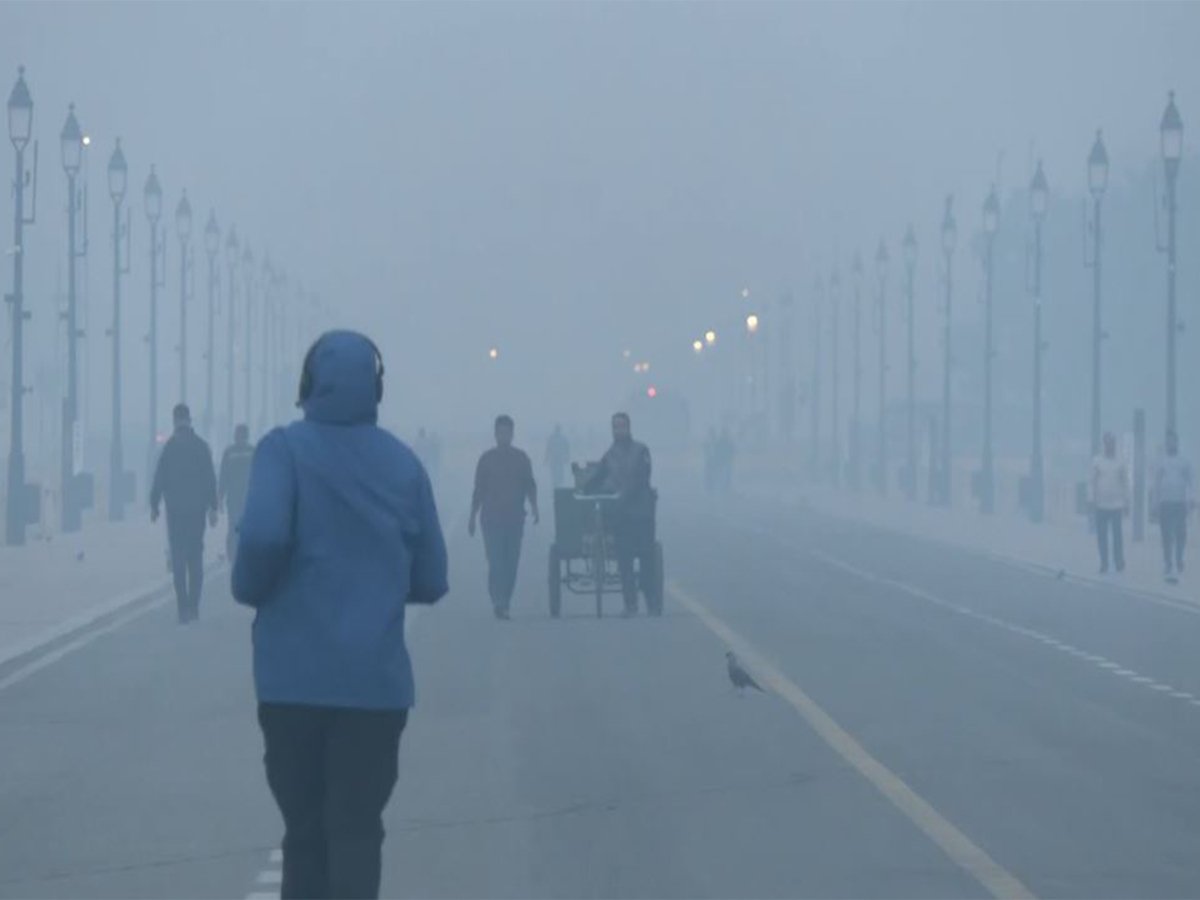

A prolonged cold wave forecast for Central and Vidarbha regions raises concerns about daily routines, health and household comfort. The main keyword cold wave forecast appears early to explain its effect on smaller towns where infrastructure and public services experience more pressure during extended winter spells.
How the cold wave forecast affects temperature patterns and routines
Central India and the Vidarbha belt experience sharp drops in minimum temperatures during long cold spells. Cities such as Nagpur, Amravati, Akola, Wardha, Chandrapur, Betul and Jabalpur usually record wider temperature gaps between day and night, which makes mornings and late evenings significantly colder. A prolonged cold wave forecast means this pattern will continue for several days or weeks instead of isolated nights. These conditions influence school timings, outdoor work schedules, morning travel and the way households plan their day.
Smaller towns rely heavily on two wheelers for transport, so colder mornings reduce visibility and increase health vulnerabilities. People working in agriculture, construction and delivery services face longer exposure periods which increases the risk of cold related fatigue. Daily routines will shift towards delayed morning activity and more indoor time during early hours. For students, colder mornings often lead to adjusted school timings that disrupt existing schedules for commuting and meals.
Impact on health, vulnerable groups and secondary keywords
Extended cold spells affect vulnerable groups the most. Elderly citizens, infants, people with chronic respiratory issues and outdoor workers experience greater difficulty managing temperature swings. Dry air during cold waves can trigger asthma, allergic reactions and joint pain. Hospitals in smaller towns often see increased cases of fever, cough and seasonal infections when temperatures remain low for consecutive days.
Secondary indicators like wind chill and humidity also play a role. Low wind speeds combined with dry air intensify the cold sensation. Vidarbha’s inland geography means nights lose heat rapidly, which accelerates temperature drops. Residents who rely on open air cooking, uninsulated housing or infrequent heating face sharper discomfort. Understanding these factors helps families plan better and reduce health risks with small but effective precautions.
How prolonged cold waves affect schools, transport and daily logistics
Schools in multiple districts often shift timings during extended cold spells. Morning assemblies are cancelled, and classes start later to ensure student safety. Bus routes may see delays because many small town vehicles lack defogging systems. Parents in smaller cities face additional challenges because transport options are limited, and last minute timetable changes disrupt work routines.
Public transport, especially local buses and auto rickshaws, slows down in early hours due to fog, mechanical issues and low ridership. Farmers face difficulty in early morning irrigation and field checks, which affects crop management. For traders and market workers, colder mornings reduce customer footfall during opening hours and shift most activity to late mornings or afternoons. These shifts may not halt routines but change the pace at which they operate.
Household winter preparedness for smaller towns
Smaller towns often have older houses with limited insulation. Preparing homes for a prolonged cold wave requires simple adjustments that improve warmth without high costs. Closing unused rooms helps retain heat in active living spaces. Using thick curtains, door stoppers and floor rugs prevents cold air from entering. Keeping windows slightly open for ventilation during daylight hours avoids moisture buildup while maintaining indoor comfort.
Heating devices need careful use. Many families rely on coil heaters or blowers, which increase electricity consumption. Using them with time intervals and maintaining safe distances from flammable items reduces risk. Water heaters in smaller towns often take longer to heat because of low morning temperatures. Planning bathing schedules during late mornings can reduce energy use. Storing water indoors at night prevents pipes from cooling excessively, especially in semi rural areas.
Impact on local markets, energy use and small businesses
Extended cold spells increase demand for winter clothing, blankets, room heaters and insulated household items. Local markets see a surge in sales of thermals, gloves, caps and warm bedding. However, transport delays can slow supply chains for small retailers. Shops opening later in the morning reduce daily business hours, affecting overall turnover in the season.
Household energy consumption rises sharply during prolonged cold waves. Increased use of heaters, geysers and indoor lighting puts additional pressure on local distribution grids. Smaller towns with older infrastructure may experience minor voltage drops during peak usage hours. Being mindful of energy use and maintaining appliances can help reduce unnecessary load. For small businesses operating from home or shop fronts, planning work during warmer parts of the day improves comfort and productivity.
How communities adapt during extended cold spells
Communities in Central India and Vidarbha adapt by adjusting social activities and local services. Early morning markets delay their openings, religious events shift timings and community gatherings take place later in the day. Local administrations distribute advisories for schools, health centres and public transport. During severe spells, shelters in some towns offer temporary relief for people without access to warm spaces.
Families rely more on indoor activities, warm meals and layered clothing. Households often share resources such as warm bedding and heaters, especially in joint family settings. In rural pockets, animal shelters and livestock care also become important, as temperature drops affect cattle and poultry. Community level planning ensures that both people and resources remain safe during extended cold phases.
Takeaways
Prolonged cold waves reshape daily routines, health needs and public services.
Smaller towns face sharper impacts because of older housing and limited heating options.
School timings, transport patterns and market activity shift to warmer hours.
Preparedness with simple insulation steps improves comfort and reduces energy use.
FAQs
Why are Vidarbha nights colder during cold waves
Vidarbha is inland with dry air and clear skies, leading to rapid heat loss at night. This makes minimum temperatures fall quickly.
Do prolonged cold waves cause school closures
Not always. Many districts adjust timings rather than close schools. Closures happen only when conditions become severe.
Are heaters safe for long hours
Heaters are safe if used with basic precautions. Maintain ventilation, avoid overuse and keep them away from flammable items.
How can families reduce winter energy bills
Seal windows, use thicker curtains, schedule bathing later in the morning and run heaters only when necessary. These steps lower electricity use without reducing comfort.