
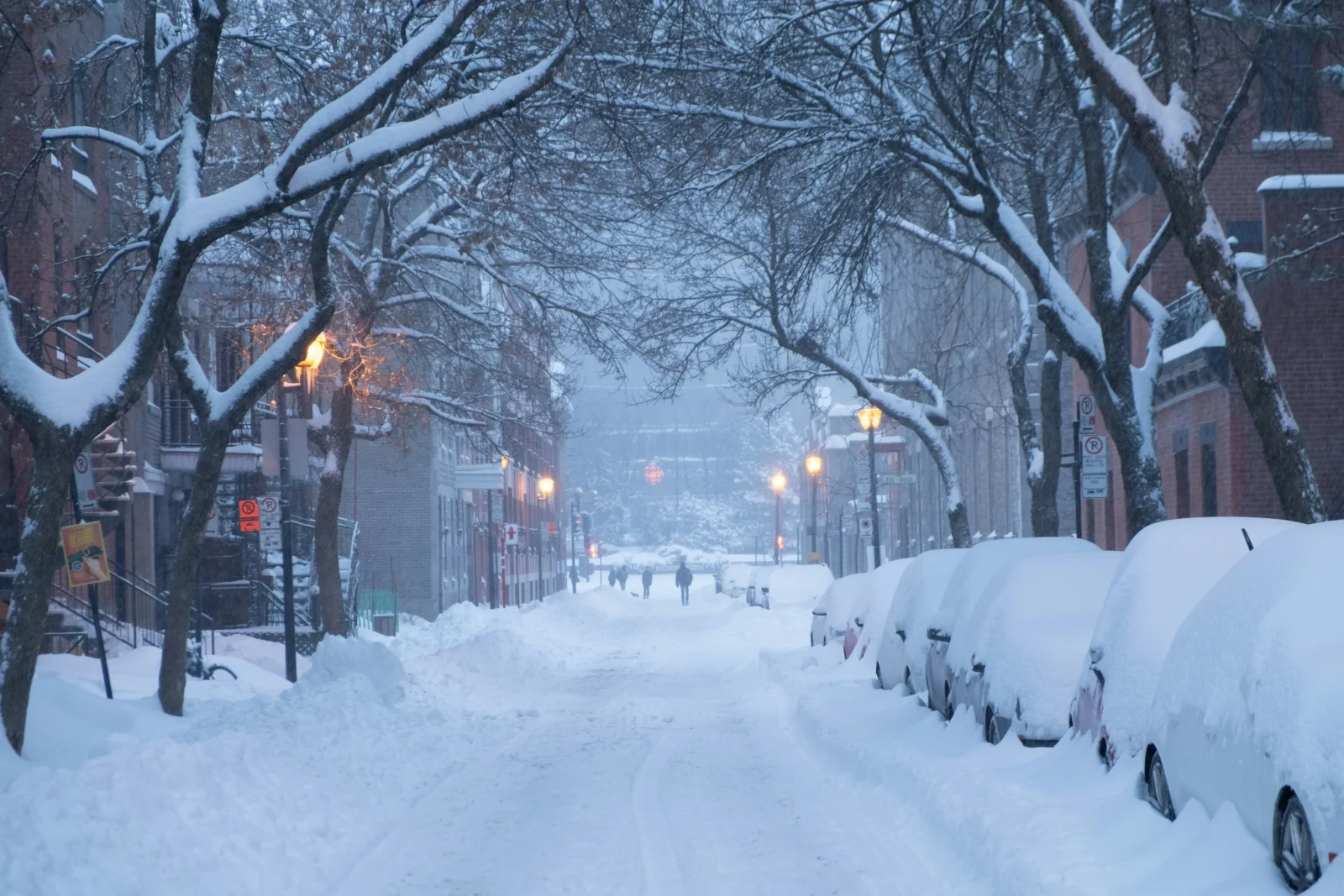

Colder winters this year are changing daily routines, fashion choices, food habits and home life across smaller towns. The main keyword colder winters appears early to explain how shifting temperatures influence household behaviour, local markets and community lifestyle patterns in Tier 2 and Tier 3 regions.
Why colder winters are creating new lifestyle adjustments
Winter temperatures have dipped more sharply this year in several parts of North, Central and East India. Secondary keywords such as winter routines, food habits and small town lifestyle help frame the trends. Smaller towns typically rely on basic heating options and outdoor-centric activities. Sudden drops in temperature push families to adjust schedules, modify clothing choices and reorganise household routines.
Morning markets open later, school timings shift and many local businesses start their day after sunrise. Commuters prefer warmer mid morning windows instead of early hours. These adjustments reflect the increasing impact of colder winters on communities that traditionally experienced moderate seasonal changes. For households without room heaters or insulated homes, lifestyle changes become even more pronounced.
How daily routines are shifting across smaller towns
Colder winters alter how families plan their mornings and evenings. Schools may start later to avoid exposing students to low temperatures. Many homeowners delay water related chores because pipelines and motor pumps run slower in cold conditions. Open courtyards and balconies that normally stay active in the morning remain unused until temperatures rise.
Evening routines shift indoors. Families reduce social visits and outdoor gatherings. Tea shops and indoor cafes see higher footfall because people prefer warm indoor spaces. Students who once studied outdoors shift to enclosed rooms with carpets, quilts or portable heating. Local hawkers adjust timings to match pedestrian traffic that now peaks mid afternoon instead of early morning or late evening.
Fashion changes driven by colder seasons
Fashion trends in smaller towns evolve quickly when winters become harsher. Demand for thicker woollens, hoodies, thermals, shawls and mufflers increases. Local garment markets stock more layered winter wear, reflecting changing climate expectations. Younger consumers opt for streetwear inspired winter clothing such as oversized jackets, beanies and knitted accessories.
Budget conscious families prioritise durable items such as woollen socks, gloves and layered innerwear that offer maximum warmth at low cost. Tailors report increased requests for quilted linings, warm leggings and customised winter outfits. The shift also influences school uniform purchases because parents add sweaters, jackets and caps earlier in the season.
Why food habits change sharply in colder weather
Food habits adapt quickly when colder winters set in. Households prepare warm, energy dense meals in the morning to offset the chill. Traditional winter foods like bajra rotis, sarson da saag, sweet potatoes, ghee based preparations and locally sourced greens become more common. Seasonal produce such as carrots and radish drive demand for warm soups and stews.
Evening snacking patterns shift toward hot items. Tea stalls selling adrak-wali chai, pakoras and roasted peanuts see increased activity. In many towns, local sweet shops introduce winter specials like gajar ka halwa or gur based sweets. Hot street food becomes more appealing as cold weather reduces the desire for chilled items.
The shift in food habits also improves community health awareness. Families increase intake of immunity boosting ingredients like ginger, turmeric and jaggery. Many households revive traditional remedies such as kada and warm spiced milk, especially for children and elders.
How colder winters impact home life and indoor spaces
Colder winters reshape home life significantly. Families retreat indoors earlier in the evening. Living rooms become the central gathering space, with carpets, rugs and warm lighting creating comfortable zones. Those without heating devices use hot water bags, thicker blankets and insulated curtains to maintain warmth.
Households adjust their daily cleaning and water use patterns. Clothes take longer to dry, pushing families to adopt indoor drying racks. Kitchens stay active for longer periods as warm meals become essential for comfort. Bedrooms are reorganised with additional bedding and draft stoppers to reduce cold air entry.
Homes that rely on sunlight for natural warmth shift furniture placement to maximise exposure. Elderly family members prefer sunny spots indoors or verandas during mid morning hours. These small, practical adjustments represent how deeply cold weather shapes home routines in smaller towns.
Impact on outdoor activity, fitness and community life
Outdoor activities reduce during colder winters, especially in early mornings. Walkers and joggers shift to midday or evening workouts. Sports grounds and parks see reduced activity, affecting school sports routines and local athletic clubs. Gyms, indoor yoga classes and home workouts become more popular among young adults.
Community events that usually take place in open spaces adjust timings or shift indoors. Local markets may see shorter business hours due to lower footfall during peak cold. Despite these changes, social interactions remain strong; they simply move indoors to living rooms, tea shops and small eateries.
Economic ripple effects across local markets
Colder winters influence local economies. Retailers selling winter wear, room heaters and quilts experience stronger demand. Food vendors offering hot snacks see higher sales, while ice cream and cold beverage sellers face seasonal dips. Local vegetable markets benefit from winter produce demand, leading to dynamic pricing for seasonal greens and root vegetables.
Small repair shops see more customers for motor rewiring, room heater servicing and geyser installation. The cold also affects construction schedules, pushing some outdoor projects to warmer daytime slots or later months. These micro shifts collectively reshape economic activity in smaller cities and towns.
Takeaways
Colder winters are pushing families to adjust routines, clothing choices and home habits.
Local food markets thrive as winter specific diets gain popularity.
Indoor activities and warmer gathering spots are reshaping social life in smaller towns.
Seasonal demand boosts retailers selling winter wear, heating devices and warm foods.
FAQs
Why are winters colder this year in many towns
Shifts in regional weather patterns and stronger cold wave conditions have brought sharper temperature drops across several states.
Do colder winters significantly change daily routines
Yes. Morning schedules, school timings, household chores and social activities adjust to match cold conditions.
How do families without heaters manage the cold
They rely on layered clothing, thicker bedding, sunlight exposure and small adjustments like insulated curtains and hot water bags.
Do food habits change quickly during winter
Yes. Warm, energy rich meals and seasonal produce become priority, while cold foods lose popularity.